QQ:3002763590


客服电话:021-61998208
我们是专业的科研试剂供应服务商
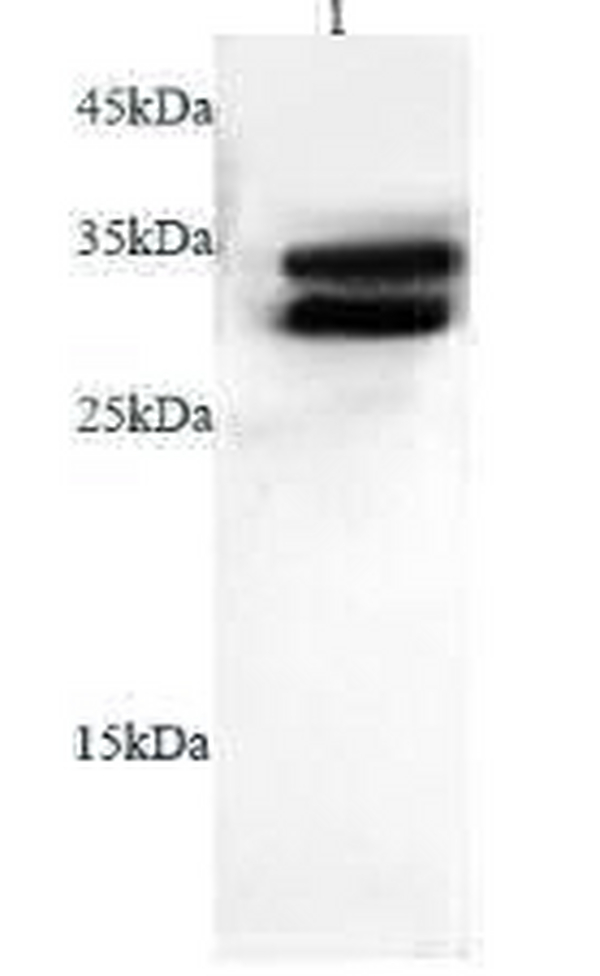
Anti CHGA polyclonal antibody
Anti CHGA polyclonal antibodyChromogranin A is a member of the granin family of neuroendocrine secretory proteins. It is located in secretory vesicles of neurons and endocrine cells. Chromogranin A is the precursor to several functional peptides including vasostatin, pancreastatin, catestatin and parastatin. These peptides negatively modulate the neuroendocrine function of the releasing cell (autocrine) or nearby cells (paracrine). CgA is one of the most used tumor markers in NET's (neuroendocrine tumors) , and elevated CgA concentrations have been demonstrated in serum or plasma of patients with different types of these tumors.
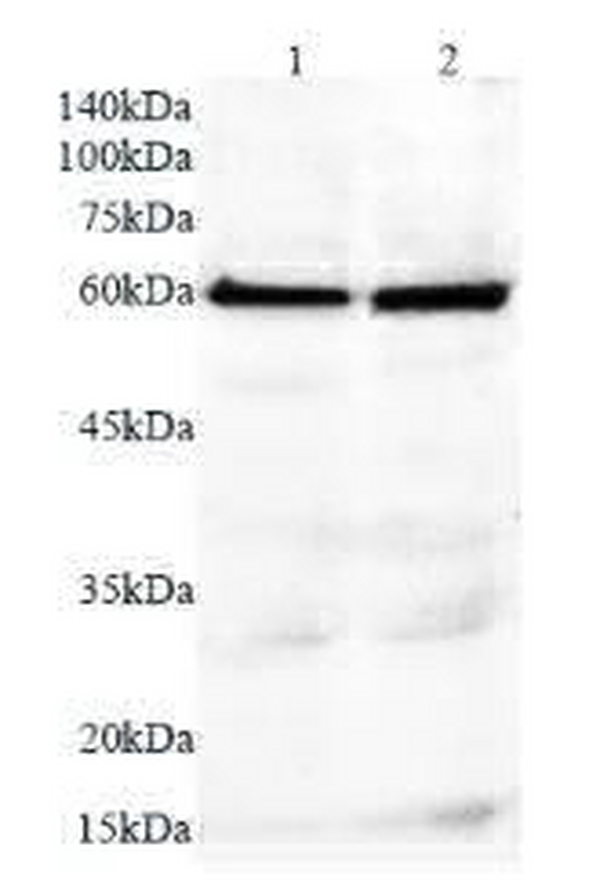
Anti NGF polyclonal antibody
Anti NGF polyclonal antibodyBeta nerve growth factor (NGF) is critical for the survival and maintenance of sympathetic and sensory neurons and may play an important role in the regulation of the immune system (PMID 16842161). The presence of beta NGF in immune cells, endocrine cells, and the CNS limbic areas suggests that beta NGF may function as an intracellular messenger to regulate the body’s response to stress (PMID 19442684). Xeno-free Recombinant Human beta NGF is expressed in human 293 cells as a non-disulfide bonded homodimeric protein with an apparent molecular mass of 13 kDa. This product is produced in a human cell expression system with serum-free, chemically defined media.
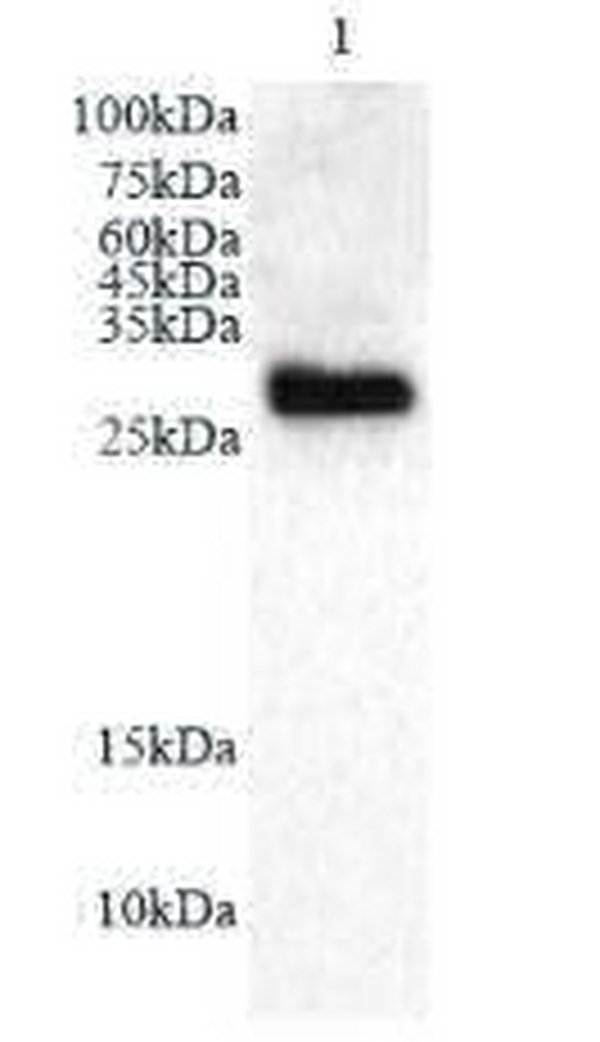
Anti NEU4 polyclonal antibody
Anti NEU4 polyclonal antibodyNEU4, also named as LP5125, belongs to a family of glycohydrolytic enzymes, which remove terminal sialic acid residues from various sialo derivatives, such as glycoproteins, glycolipids, oligosaccharides, and gangliosides. It may function in lysosomal catabolism of sialylated glycoconjugates. NEU4 has a broad substrate specificity being active on glycoproteins, oligosaccharides and sialylated glycolipids.
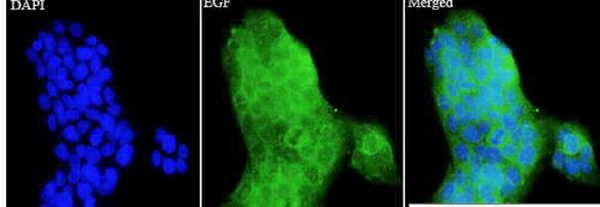
Anti EGF polyclonal antibody
Anti EGF polyclonal antibodyEpidermal growth factor (EGF) is a small 6 kD polypeptide and has six conserved cysteine residues that form three intramolecular disulfide bonds. Human EGF is synthesized as transmembrane precursor proteins (1207 amino acids), which are proteolytically cleaved to generate the 54 amino acid mature EGF.
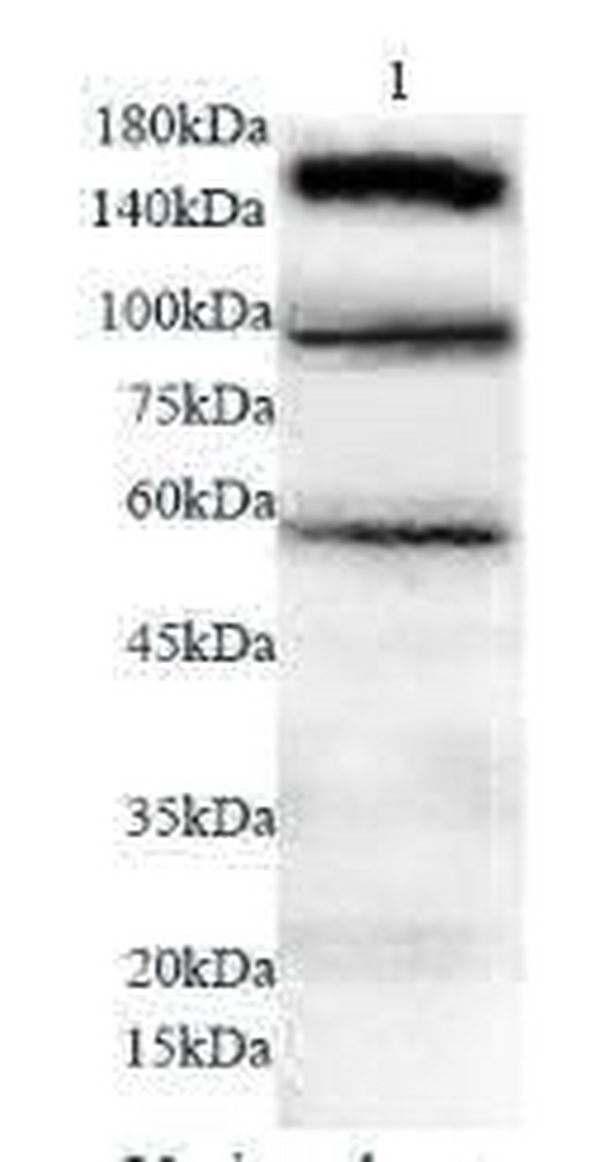
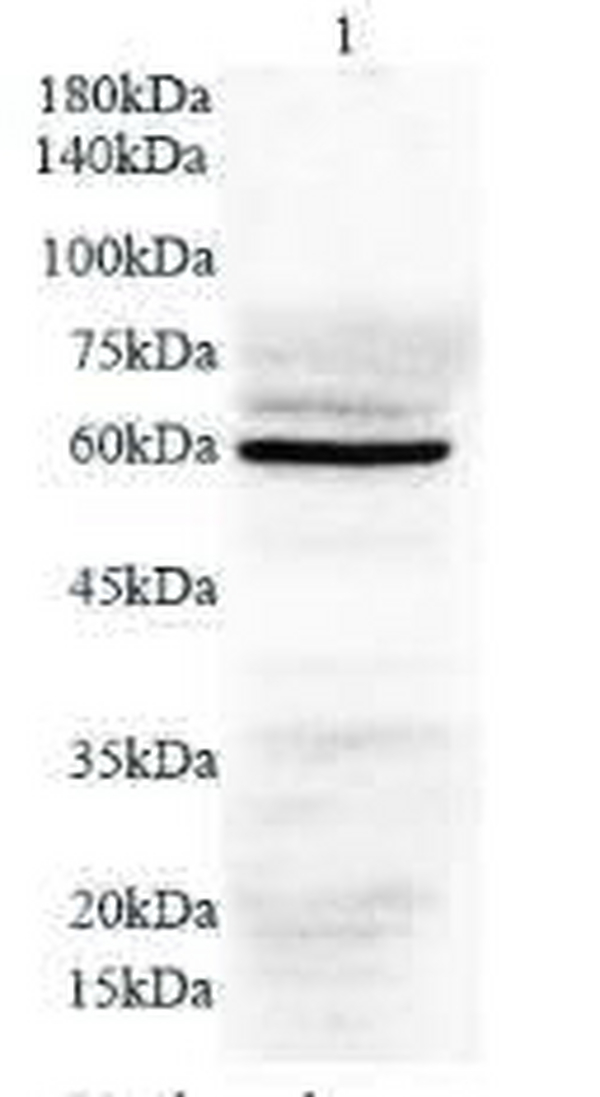
Anti ISR polyclonal antibody
Anti ISR polyclonal antibodyThe biological effects of insulin are mediated by a membrane spanning cell surface receptor that has been shown to consist of disulfide-linked 135-kDa and 95-kDa alpha- and beta-subunits that are cleaved products of a common precursor. Binding of insulin to the receptor extracellular domain results in intracellular activation of a tyrosine-specific kinase activity and the generation of signals that determine the cellular response (PMID: 2369896). This antibody raised against 980-1382aa of human insulin receptor can recognize full-length insulin receptor precursor and insulin receptor beta subunit.
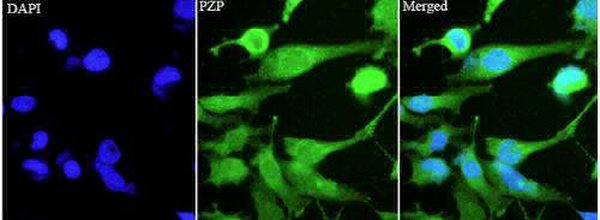
Anti PZP polyclonal antibody
Anti PZP polyclonal antibodyPregnancy Zone protein is a 1,482 amino acid secreted protein that belongs to the protease inhibitor I39 family and exists as multiple alternatively spliced isoforms. Expressed predominately in plasma and in late-pregnancy sera, Pregnancy Zone protein functions as a disulfide-linked homotetramer that is able to trap and inhibit proteinases, thus playing a role in the regulation of protein splitting and small peptide formation. The gene encoding Pregnancy Zone protein maps to human chromosome 12, which encodes over 1,100 genes and comprises approximately 4.5% of the human genome. Chromosome 12 is associated with a variety of diseases and afflictions, including hypochondrogenesis, achondrogenesis, Kniest dysplasia, Noonan syndrome and Trisomy 12p, which causes facial developmental defects and seizure disorders.
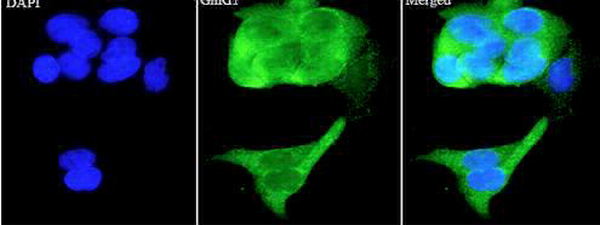
Anti GnRH1 polyclonal antibody
Anti GnRH1 polyclonal antibodyThe protein encoded by this gene is secreted and then cleaved to form the 10 aa luteinizing hormone-releasing hormone (LHRH, also known as gonadoliberin-1), and prolactin release-inhibiting factor (also known as GnRH-associated peptide 1). LHRH stimulates the release of luteinizing and follicle stimulating hormones, which are important for reproduction. Mutation in this gene are associated with hypogonadotropic hypogonadism. Alternatively spliced transcript variants have been described for this gene. [provided by RefSeq, Jul 2012].
最新动态
-
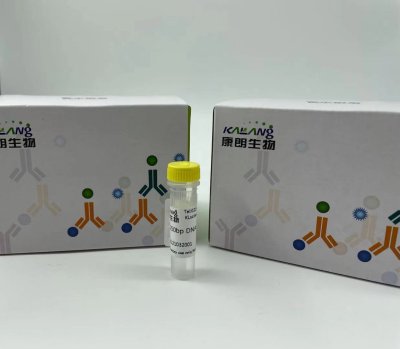
Anti-GNGT1 KL20092-001(50ul)
2021-10-11 -
Anti-GNGT1 antibody(50ul) KL20093-001
2021-10-11 -

骨组织快速脱钙液Ⅰ
2021-09-07 -
外泌体(exosomes)染色试剂盒
2021-09-07 -
外泌体(exosomes)吸附抑制剂
2021-09-07
热门标签
- Histone H3 rabbit Polyclonal Antibody Histone H3抗体
- EGFR rabbit Polyclonal Antibody EGFR抗体
- Cy3 Conjugated
- AbFluor™ 555 Conjugated
- AbFluor™ 680 Conjugated
- AbFluor™ 350 Conjugated
- AbFluor™ 647 Conjugated
- AbFluor™ 594 Conjugated
- AbFluor™ 405 Conjugated
- Cy5 Conjugated
- AbFluor™ 488 Conjugated
- Cyclophilin B抗体 Cyclophilin B Monoclonal Antibody(2B10)
- COX IV抗体 COX IV Monoclonal Antibody(6C8)
- PCNA抗体 PCNA Monoclonal Antibody(12D10)
- FAK rabbit Polyclonal Antibody FAK抗体
邮箱:3002763590@qq.com
电话:021-61998208

扫码关注微信公众号