QQ:3002763590


客服电话:021-61998208
我们是专业的科研试剂供应服务商
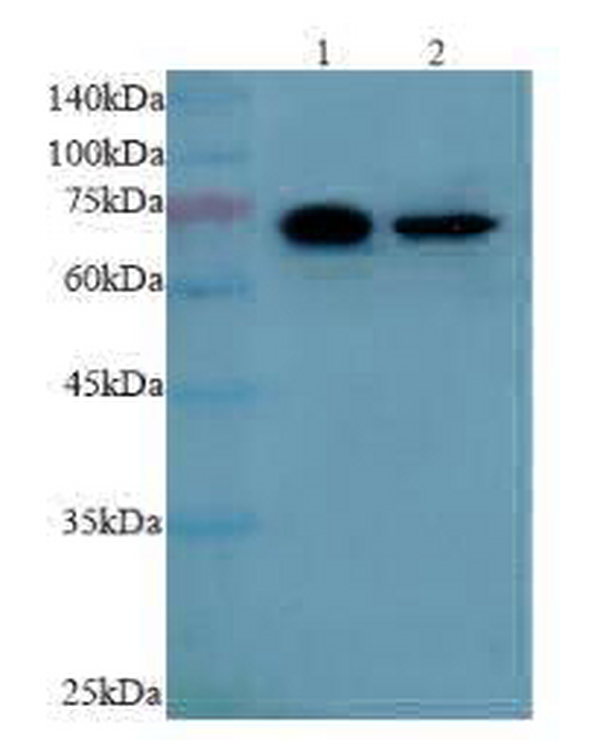
Anti ENG polyclonal antibody
Anti ENG polyclonal antibodyEndoglin (ENG, CD105) is a homodimeric cell membrane glycoprotein of 180 kDa, composed of disulphide-linked subunits of 95 kDa. Endoglin is a proliferation-associated and hypoxia-inducible protein mainly expressed on vascular endothelial cells. It acts as an accessory receptor for transforming growth factor beta (TFG-β) and is involved in vascular development and remodelling. The important role of Endoglin in angiogenesis and in tumor progression makes it an ideal target for antiangiogenic therapy and a good marker for tumor prognosis. (PMID: 1326540,14528280,21737653,12773481)
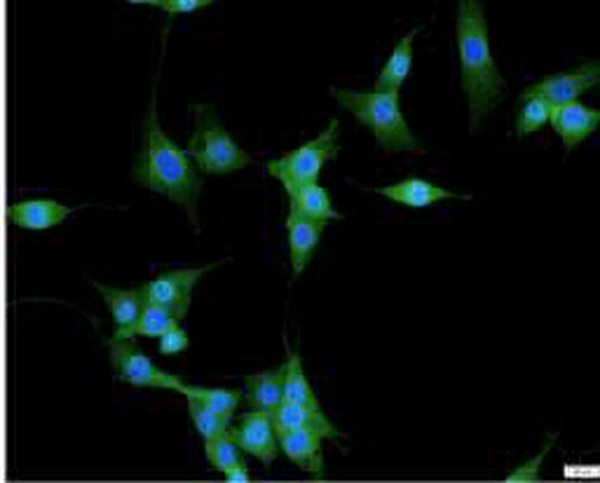
Anti BCL2L1 polyclonal antibody
Anti BCL2L1 polyclonal antibodyBCL2L1 is a member of the BCL-2 protein family. BCL2L1 is expressed as three isoforms, Bcl-X(L),Bcl-X(s) and Bcl-X(beta) , and is located at the outer mitochondrial membrane. The Bcl-X(L) isoform is a 233 amino acid protein, acting as an apoptotic inhibitor. Bcl-XL can forms heterodimers with BAX, BAK or BCL2, and the heterodimerization with BAX does not seem to be required for anti-apoptotic activity. The Bcl-X(s) isoform is a shorter variant that is 178 amino acids in length and lacks a 63 amino acid region (amino acids 126-188), acting as an apoptotic activator. Bcl-X(beta) is a 227 amino acid protein. This antibody can recognize Bcl-XL, Bcl-X(s) and Bcl-X(Beta).
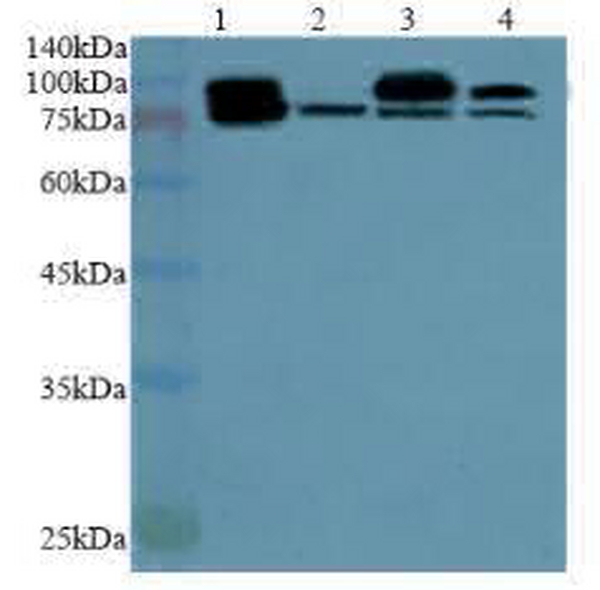
Anti STAT3 polyclonal antibody
Anti STAT3 polyclonal antibodySignal transducer and activator of transcription 3 (acute-phase response factor) (STAT3, synonyms: APRF, FLJ20882, MGC16063) is a member of the STAT protein family. In response to cytokines and growth factors, STAT family members are phosphorylated by the receptor associated kinases, and then form homo- or heterodimers that translocate to the cell nucleus where they act as transcription activators. STAT3 is activated through phosphorylation in response to various cytokines and growth factors including IFNs, EGF, IL5, IL6, HGF, LIF and BMP2. STAT3 mediates the expression of a variety of genes in response to cell stimuli, and thus plays a key role in many cellular processes such as cell growth and apoptosis. The small GTPase Rac1 has been shown to bind and regulate the activity of STAT3. This antibody is a rabbit polyclonal antibody raised against residues near the N terminus of human STAT3. STAT3 exists three isoforms and the molecular weight of each isofor
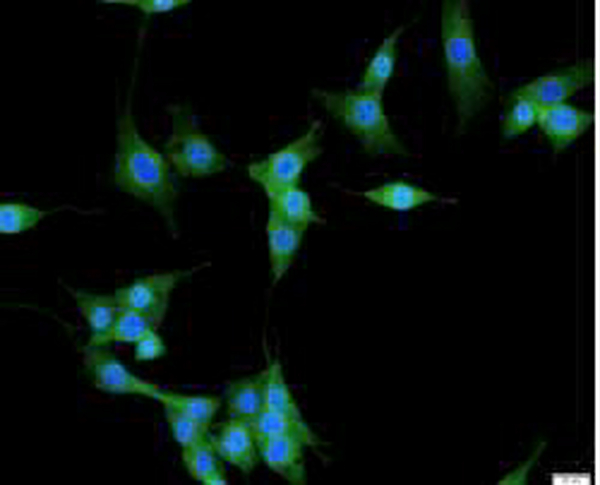
Anti Bcl2 polyclonal antibody
Anti Bcl2 polyclonal antibodyBCL2 belongs to the Bcl-2 family. It suppresses apoptosis in a variety of cell systems including factor-dependent lymphohematopoietic and neural cells. BCL2 regulates cell death by controlling the mitochondrial membrane permeability (PMID: 10365962). It appears to function in a feedback loop system with caspases. BCL2 inhibits caspase activity either by preventing the release of cytochrome c from the mitochondria and/or by binding to the apoptosis-activating factor (APAF-1) (PMID: 10444588). This antibody is not suitable for rat and mouse species.
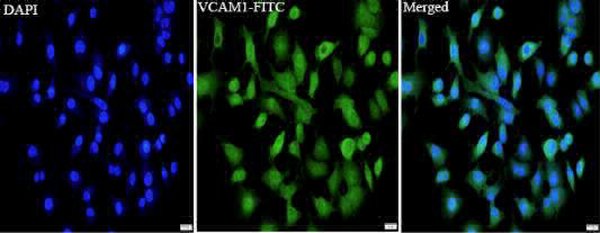
Anti VCAM1 polyclonal antibody
Anti VCAM1 polyclonal antibodyVascular cell adhesion molecule 1 (VCAM1), also known as CD106, is a 110-kDa transmembrane glycoprotein belonging to the immunoglobulin gene superfamily. VCAM1 is expressed by cytokine-activated endothelium, interacts with integrin VLA4 (α4β1) present on the surface of leukocytes, and mediates both adhesion and signal transduction. It is also expressed either constitutively or inducibly in a variety of other cell types, including vascular smooth muscle cells, differentiating skeletal muscle cells, renal and neural epithelial cells, macrophages (Kupffer cells), dendritic cells, and bone marrow stromal cells (PMID: 7507076, 11359843).
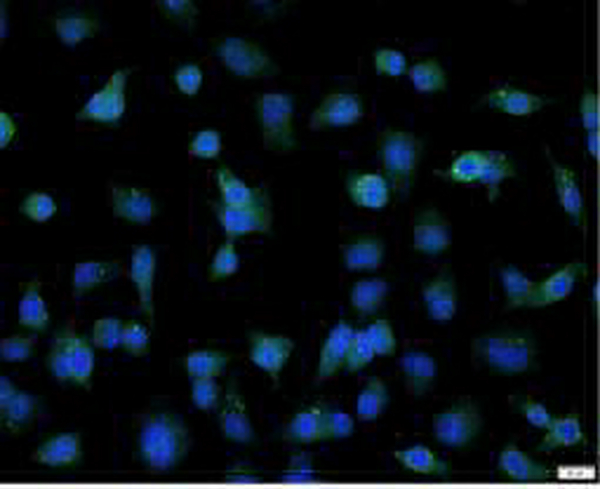
Anti ADAM10 polyclonal antibody
Anti ADAM10 polyclonal antibodyADAM10, a member of the ADAM (a disintegrin and metalloprotease) family, is widely expressed in the brain, the spinal cord, and the visual system during development.MW of premature ADAM10 is 90 kDa and mature ADAM10 is 60-70 kDa (PMID: 24404179).
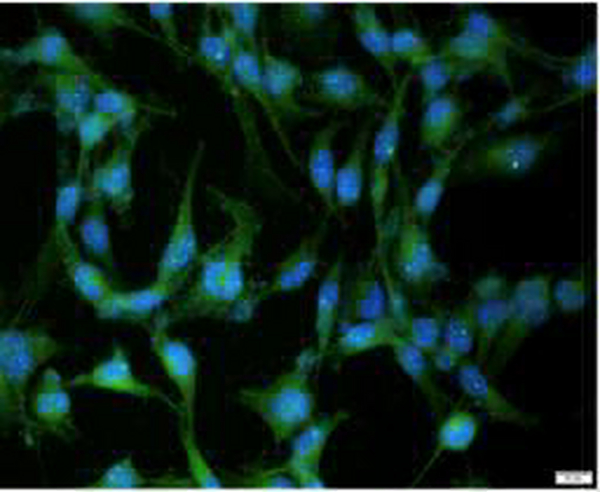
Anti SNCA polyclonal antibody
Anti SNCA polyclonal antibodyAlpha-synuclein (α-syn) is a 14-19 kDa phosphoprotein that is primarily localize to the presynaptic terminals of mature neurons, where it is involved in synaptic function and plasticity. Α-syn has drawn intense interest ever since the late 1990s, when the first α-synuclein missense mutation was identified as a cause of familial Parkinson’s disease (PD). Aggregated and hyper-phosphorylated forms of α-syn protein are the pathological hallmark of Lewy body disease, which includes Parkinson's disease (PD), diffuse Lewy body disease (DLBD), and Lewy body variant of Alzheimer's disease (LBV). This antibody can recognize all the isoforms of α-syn.
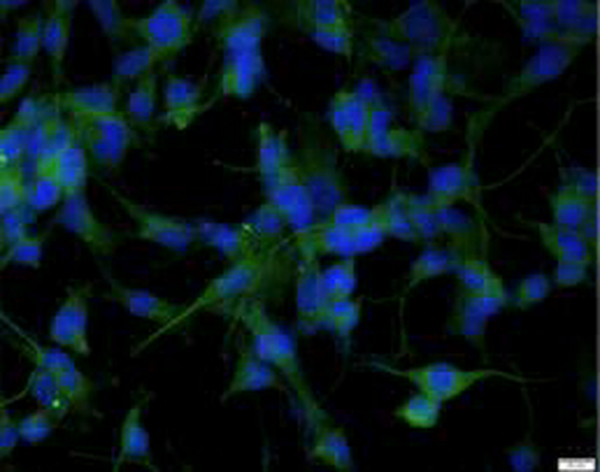
Anti AIF1/IBA1 polyclonal antibody
Anti AIF1/IBA1 polyclonal antibodyAIF1, also named as G1, IBA1 or daintain/AIF-1, is a 143 amino acid cytoplasmic, inflammation response scaffold protein. It is constitutively expressed in monocytes and macrophages and is known to be involved in macrophage activation. It is a marker of activated macrophage. Despite a lack of detailed knowledge on the in vivo physiological functions of AIF-1, there is growing evidence that shows its aberrant expression contributes to the pathogenesis of many autoimmune diseases, including rheumatoid arthritis. (20944424). AIF1 is an actin-binding protein that enhances membrane ruffling and RAC activation. It enhances lymphocyte migration and the actin-bundling activity of LCP1. AIF1 plays a role in RAC signaling and in phagocytosis and a role in vascular inflammation. AIF1 promotes the proliferation of vascular smooth muscle cells and of T-lymphocytes. It is also as a microglial cell marker.
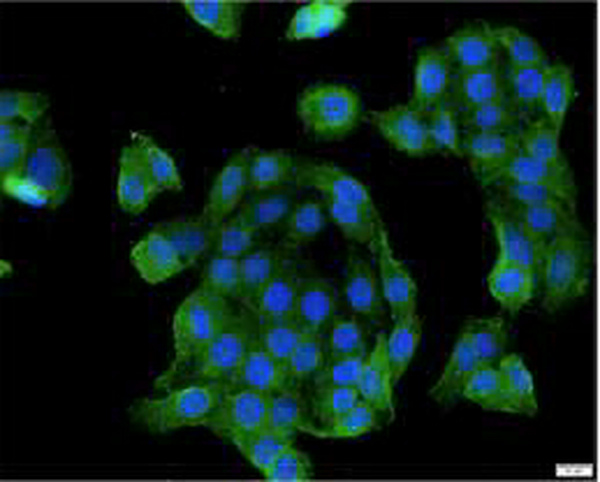
Anti ALDH1A1 polyclonal antibody
Anti ALDH1A1 polyclonal antibodyALDH1A1(Aldehyde dehydrogenase family 1 member A1), also named as ALDC, ALDH1 and PUMB1, belongs to the aldehyde dehydrogenase family. The ALDH1A1 gene encodes a liver cytosolic isoform of acetaldehyde dehydrogenase, an enzyme involved in the major pathway of alcohol metabolism after alcohol dehydrogenase. ALDH1A1 plays a critical role in protection against oxidative stress-induced cytotoxicity in lens epithelial cells(PMID:19296407). And it is important for multiple biological activities including drug resistance, cell differentiation, and oxidative stress response(PMID:19025616). As a novel cancer stem cell marker, ALDH1A1 can be used for tumors whose corresponding normal tissues express ALDH1 in relatively restricted or limited levels such as breast, lung, ovarian or colon cancer(PMID: 20422001). This antibody can also recognize some other membranes of the aldehyde dehydrogenase family.
最新动态
-
Anti-GNGT1 KL20092-001(50ul)
2021-10-11 -
Anti-GNGT1 antibody(50ul) KL20093-001
2021-10-11 -

骨组织快速脱钙液Ⅰ
2021-09-07 -
外泌体(exosomes)染色试剂盒
2021-09-07 -
外泌体(exosomes)吸附抑制剂
2021-09-07
热门标签
- Histone H3 rabbit Polyclonal Antibody Histone H3抗体
- EGFR rabbit Polyclonal Antibody EGFR抗体
- Cy3 Conjugated
- AbFluor™ 555 Conjugated
- AbFluor™ 680 Conjugated
- AbFluor™ 350 Conjugated
- AbFluor™ 647 Conjugated
- AbFluor™ 594 Conjugated
- AbFluor™ 405 Conjugated
- Cy5 Conjugated
- AbFluor™ 488 Conjugated
- Cyclophilin B抗体 Cyclophilin B Monoclonal Antibody(2B10)
- COX IV抗体 COX IV Monoclonal Antibody(6C8)
- PCNA抗体 PCNA Monoclonal Antibody(12D10)
- FAK rabbit Polyclonal Antibody FAK抗体
邮箱:3002763590@qq.com
电话:021-61998208

扫码关注微信公众号