QQ:3002763590


客服电话:021-61998208
我们是专业的科研试剂供应服务商
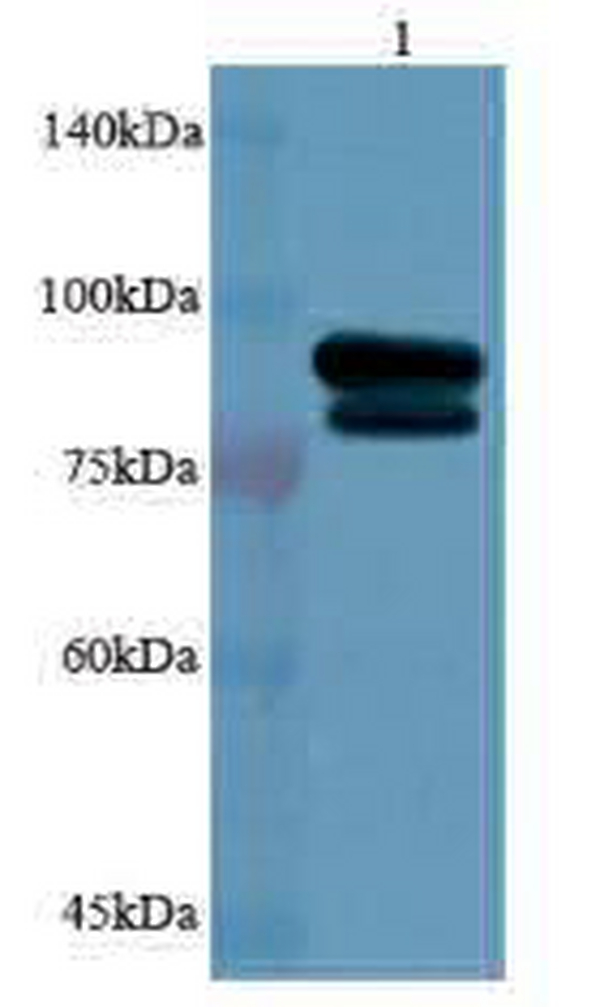
Anti ACOX1 polyclonal antibody
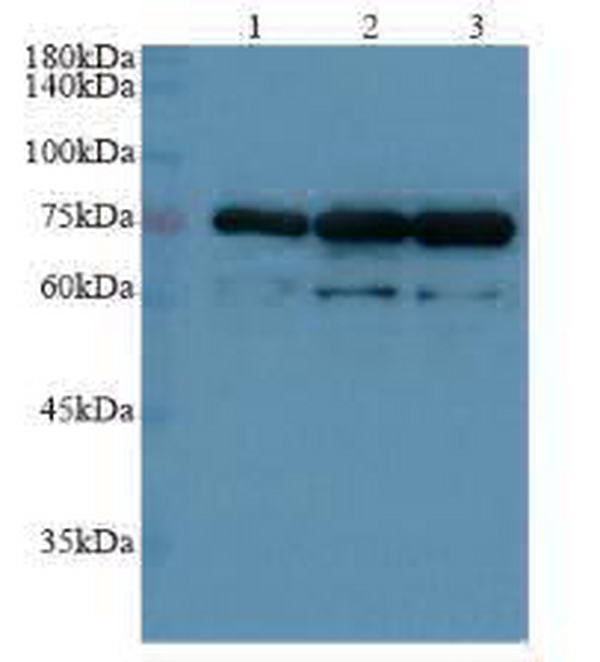
Anti ACOX1 polyclonal antibodyACOX1(Peroxisomal acyl-coenzyme A oxidase 1) is the first and rate-limiting enzyme in the peroxisomal fatty acid beta-oxidation pathway and catalyzes the desaturation of acyl-CoAs to 2-trans-enoyl-CoAs. It belongs to the acyl-CoA oxidase family and also named as ACOX, AOX, SCOX. It has 3 isoforms produced by alternative splicing with the molecular mass of 70-74 kDa and can be cleaved post-translationally into a 50-kDa and a 22-kDa subunit between Val468 and Ala469 (PMID: 10672038). Defects in ACOX1 are the cause of adrenoleukodystrophy pseudoneonatal (Pseudo-NALD).
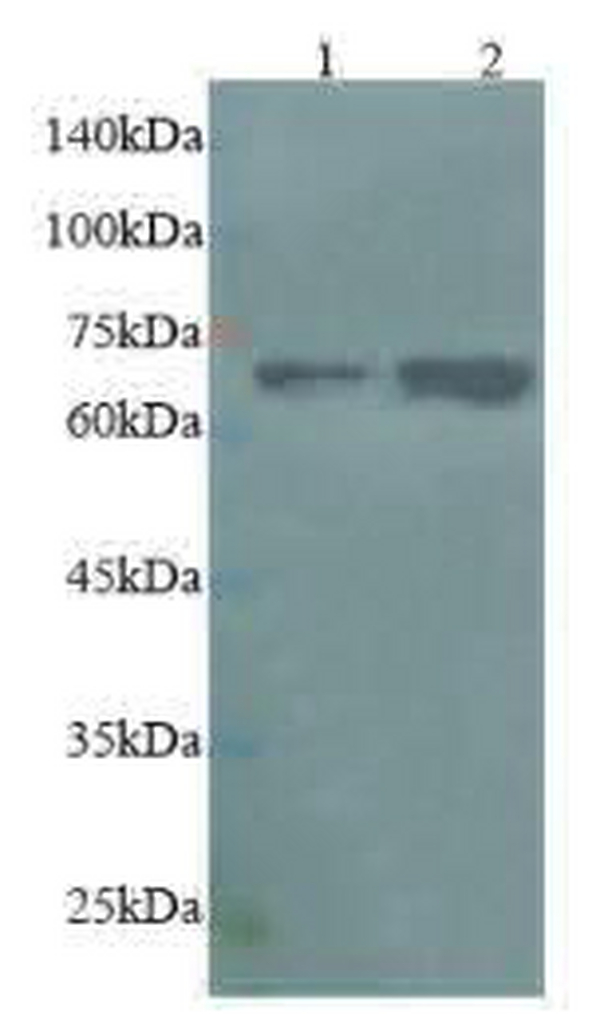
Anti ANG polyclonal antibody
Anti ANG polyclonal antibodyAngiogenin (ANG), an angiogenic ribonuclease, is a member of the vertebrate-specific, secreted RNASE superfamily. Angiogenin, originally identified as a tumor angiogenic factor, was related with the growth and metastasis of numerous tumors. Angiogenin has been proposed as a permissive factor for angiogenesis induced by other angiogenic factors, including vascular endothelial growth factor (VEGF), basic fibroblast growth factor, acidic fibroblast growth factor, and epidermal growth factor. Angiogenin production and secretion may be stimulated by hypoxia. Increased angiogenin serum levels have been associated with the incidence and severity of several human tumors, including HCC. It is a 17 kDa precursor which is cleaved to generate the 14 kDa mature protein.
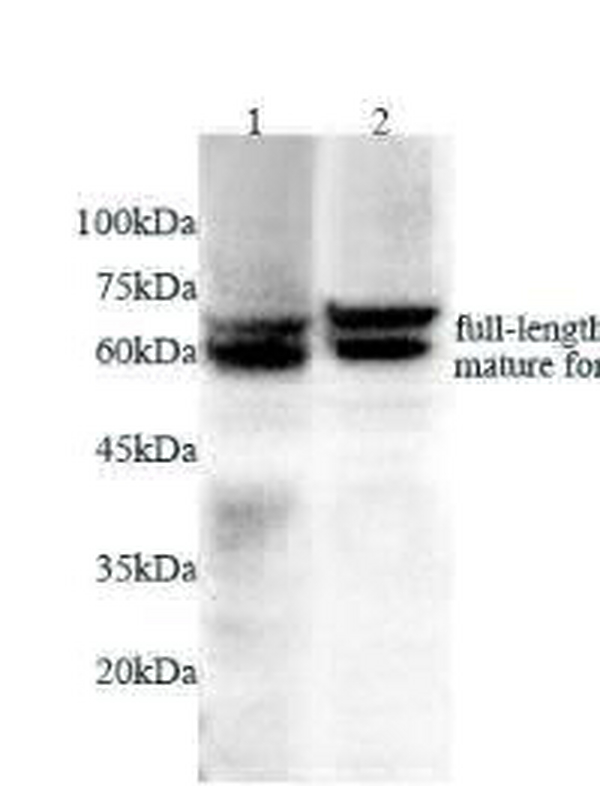
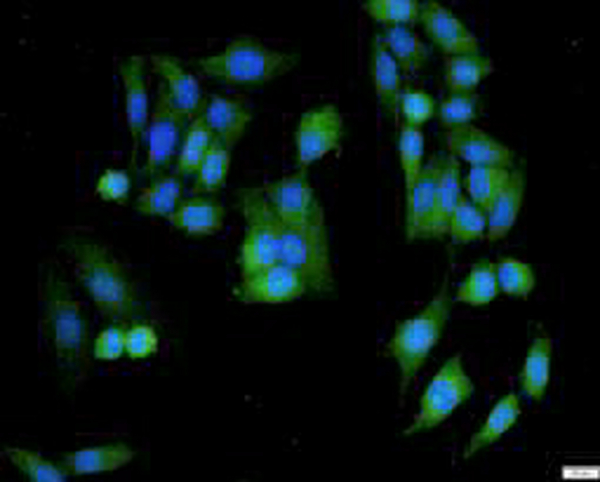
Anti AIF polyclonal antibody
Anti AIF polyclonal antibodyApoptosis-inducing factor (AIF) is one of the mitochondrial proteins to be released into the cytosol during apoptosis, and it is discovered as the first protein that regulates caspase-independent apoptosis(PMID:20494118). AIF is encoded as a 67 kDa protein that contains a mitochondrial localization signal (MLS) in the N-terminus.It is cleaved from the 62 kDa to the 57 kDa form following ischemic injury and translocated from the mitochondria to the nucleus in a calpain-dependent manner(PMID:19332058).
Anti ARNTL polyclonal antibody
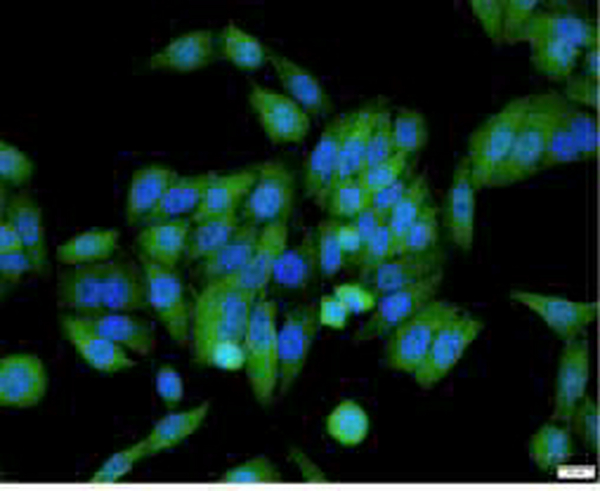
Anti ARNTL polyclonal antibodyBMAL1, a basic helix–loop–helices with Per–Arnt–Sim (PAS) domain transcription factor, is one of components that has core clock function in mammals. It form a heterodimer with CLOCK, and induce the transcription of target genes by binding to E-box elements within their promoter regions. And this transcription is inhibited in a feedback loop by PER, and also by CRY proteins.Also BMAL1 is a key player in the regulation of metabolism, playing a role in adipogenesis and in the control of glucose and triglycerides levels.
Anti APOA4 polyclonal antibody
Anti APOA4 polyclonal antibodyAPOA4 is a major protein component of chylomicrons in postprandial lymph and plasma. It is synthesized in the small intestine and the liver, attached to chylomicrons by enterocytes, and secreted into intestinal lymph during fat absorption. APOA4 is intimately involved in metabolism and has protective roles in cardiovascular diseases like atherosclerosis. APOA4 can promote insulin secretion and maintain glucose homeostasis. It also has potent antioxidant and anti-inflammatory properties.
Anti BTC polyclonal antibody
Anti BTC polyclonal antibodyBetacellulin (BTC), a member of the epidermal growth factor (EGF) family, binds and activates ErbB1 and ErbB4 homodimers. BTC is synthesized primarily as a transmembrane precursor, which is then processed to mature molecule by proteolytic events. This protein is a ligand for the EGF receptor. BTC was expressed in tumors and involved in tumor growth progression.
Anti BID polyclonal antibody
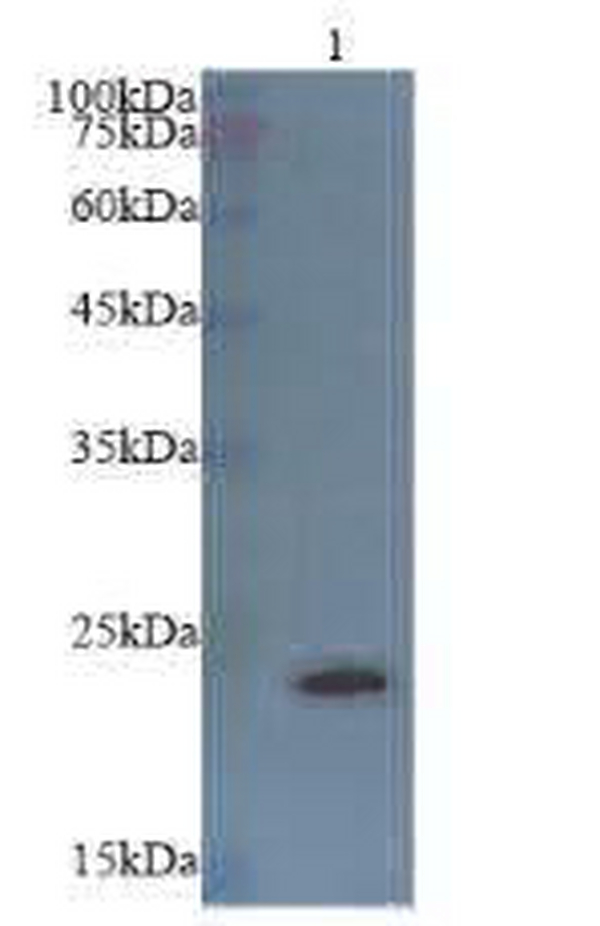
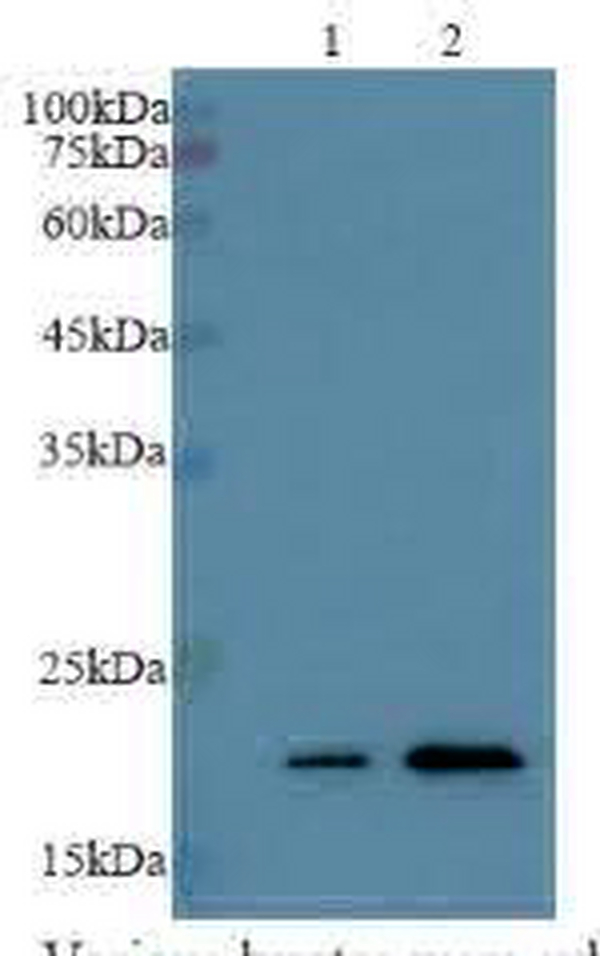
Anti BID polyclonal antibodyBID, also named as p22 BID, can be cleaved into p11 BID, p13 BID and p15 BID. It is pro-apoptotic molecules. The major proteolytic product p15 BID allows the release of cytochrome c. BID-L, BID-EL and BID-ES induce ICE-like proteases and apoptosis. BID-S does not induce apoptosis. BID counters the protective effect of Bcl-2. (PMID:14583606)
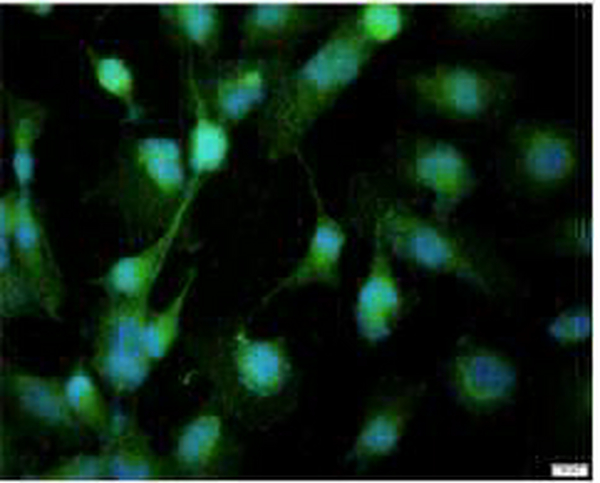
Anti BACE1 polyclonal antibody
Anti BACE1 polyclonal antibodybeta-secretase, encoded by BACE1(beta-stie amyloid beta A4 precursor protein-cleavage enzyem1) gene, is a neuron-specific membrane-associated protease that participate in the two step proteolytic processing of the APP. Cleaves at the N-terminus of the A-beta peptide sequence, between residues 671 and 672 of APP, leads to the generation and extracellular release of beta-cleaved soluble APP, and a corresponding cell-associated C-terminal fragment which is later released by gamma-secretase. It has a high expression in the brain and pancreas. This protein has 6 isoforms produced by alternative splicing. BACE1 can be detected with different molecular weight: 42-56kD (prozymogen and isoforms), 65-75 (glycosylated forms) and 160kDa (dimer) (PMID:22741101,21795680).
最新动态
-
Anti-GNGT1 KL20092-001(50ul)
2021-10-11 -
Anti-GNGT1 antibody(50ul) KL20093-001
2021-10-11 -

骨组织快速脱钙液Ⅰ
2021-09-07 -
外泌体(exosomes)染色试剂盒
2021-09-07 -
外泌体(exosomes)吸附抑制剂
2021-09-07
热门标签
- Histone H3 rabbit Polyclonal Antibody Histone H3抗体
- EGFR rabbit Polyclonal Antibody EGFR抗体
- Cy3 Conjugated
- AbFluor™ 555 Conjugated
- AbFluor™ 680 Conjugated
- AbFluor™ 350 Conjugated
- AbFluor™ 647 Conjugated
- AbFluor™ 594 Conjugated
- AbFluor™ 405 Conjugated
- Cy5 Conjugated
- AbFluor™ 488 Conjugated
- Cyclophilin B抗体 Cyclophilin B Monoclonal Antibody(2B10)
- COX IV抗体 COX IV Monoclonal Antibody(6C8)
- PCNA抗体 PCNA Monoclonal Antibody(12D10)
- FAK rabbit Polyclonal Antibody FAK抗体
邮箱:3002763590@qq.com
电话:021-61998208

扫码关注微信公众号