QQ:3002763590


客服电话:021-61998208
我们是专业的科研试剂供应服务商
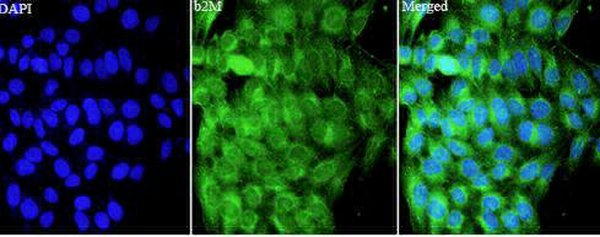
Anti B2M polyclonal antibody
Anti B2M polyclonal antibodyBeta-2-microglobulin (B2M) is a component of MHC class I molecules, which are present on the surface of nearly all nucleated cells. It can be found in body fluids under physiologic conditions as a result of shedding from cell surfaces or intracellular release. B2M has various biological functions, including antigen presentation. Investigations reveal that increased synthesis and release of B2M are present in several malignant diseases.
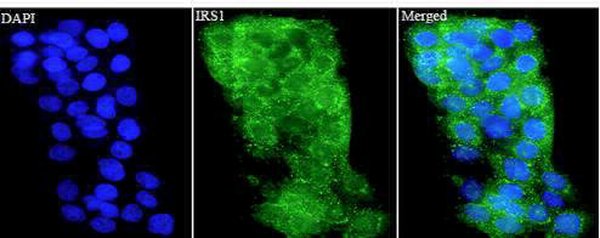
Anti IRS1 polyclonal antibody
Anti IRS1 polyclonal antibodyInsulin receptor substrate 1 (IRS1) was the first cloned and characterized member of the IRS family which are involved in insulin receptor (IR) and insulin-like growth factor I receptor (IGF-IR) signaling. IRS1 is phosphorylated by insulin receptor tyrosine kinase and is involved in various cellular processes including DNA repair fidelity, transcriptional activity, and cell growth can support tumor development and progression. Mutations in this gene are associated with type II diabetes and susceptibility to insulin resistance. IRS1 has a predicted molecular weight of 132 kDa, however, as a result of its extensive serine phosphorylation it separates on a SDS gel as a band of approximately 160-185 kDa.
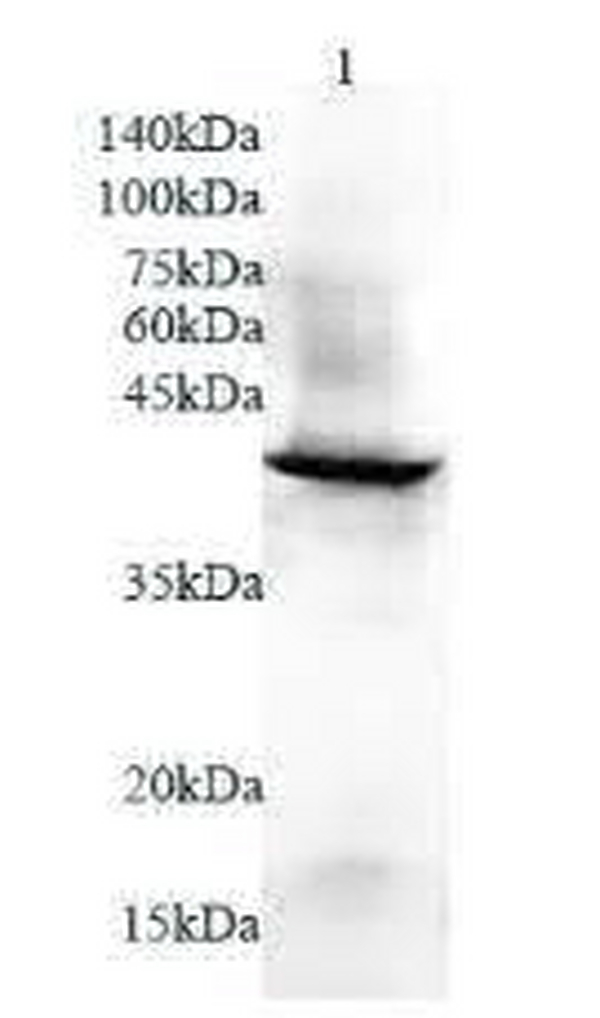
Anti TMEM173 polyclonal antibody
Anti TMEM173 polyclonal antibodyTMEM173, also named as ERIS, MITA, STING and MPYS, is a facilitator of innate immune signaling that promotes the production of type I interferon (IFN-alpha and IFN-beta). TMEM173 mediates death signaling via activation of the extracellular signal-regulated kinase (ERK) pathway. There’re monomer (35-40 kDa)(PMID: 27324217,29632140;30918080) and dimer (80 kDa) form of TMEM173 in western blot test.
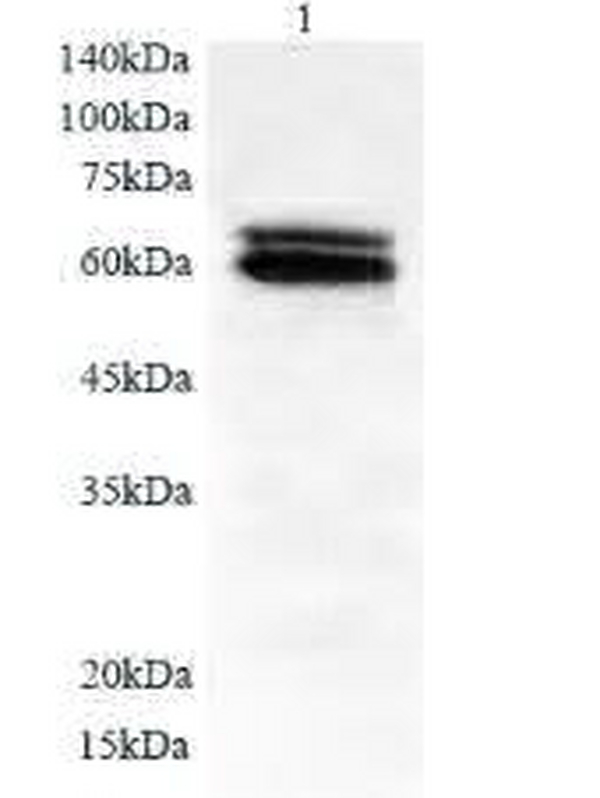
Anti SLC39A6 polyclonal antibody
Anti SLC39A6 polyclonal antibodyThe zinc transporter LIV-1 (also known as SLC39A6 or ZIP6) was originally identified as an estrogen-induced gene in breast cancer cells. LIV-1 was also shown to be an effector molecule downstream from soluble growth factors. Elevated LIV-1 expression is reportedly related to cancer progression in various types of cancer, including breast, prostate, pancreatic, cervical and liver cancers. While correlation of LIV-1 and prognosis may vary. LIV 1 has 3 isoforms with MW of 85-100 (glycosylation and phosphorylation), 48 and 32 kDa while migrates as different bands in different lysates in SDS-PAGE.
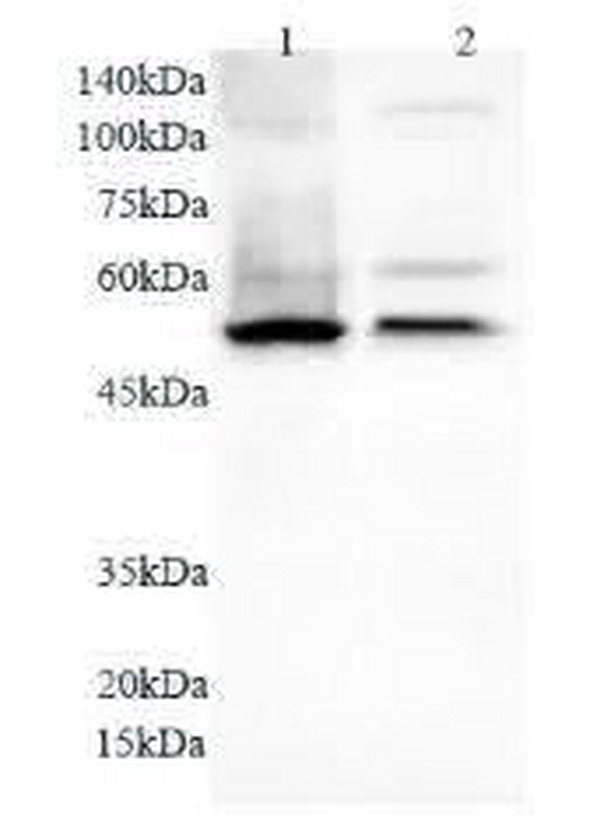
Anti NFkB1 polyclonal antibody
Anti NFkB1 polyclonal antibodyNFkB is a pleiotropic transcription factor which is present in almost all cell types and is involved in many biological processed such as inflammation, immunity, differentiation, cell growth, tumorigenesis and apoptosis. NFkB is activated by various intra- and extracellular stimuli such as cytokines, oxidant free radicals, ultraviolet irradiation, and bacterial or viral products. NFkB is a family of transcription factors that consists of homo- and heterodimers of NFkB1/p50 and RelA/p65 subunits, and controls a variety of cellular events including development and immune responses. All members share a conserved amino terminus domain that includes dimerization, nuclear localization, and DNA binding regions, and a carboxy terminal transactivation domain. Serines 529 and 536 in the transactivation domain of RelA/p65 are phosphorylated in response to several stimuli including phorbol ester, IL1 alpha and TNF alpha as mediated by IkB kinase and p38 MAPK. Phosphor
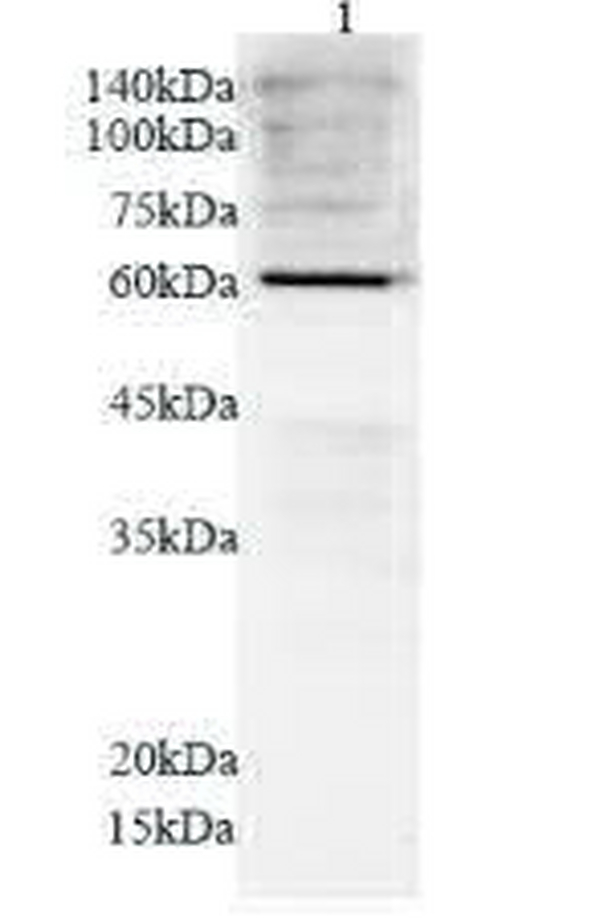
Anti CYP3A4 polyclonal antibody
Anti CYP3A4 polyclonal antibodyCytochrome P450 3A(CYP3A) belongs to the cytochrome P450 family and the enzymes constitute an important detoxification system that contributes to primary metabolism of more than half of all prescribed medications.CYP3A expression determines impairment of drug absorption and efficient systemic clearance in a tissue-specific manner(PMID:17975676).
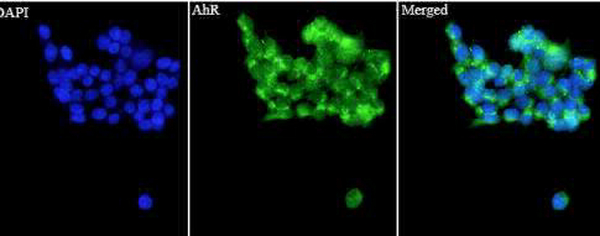
Anti AhR polyclonal antibody
Anti AhR polyclonal antibodyThe aryl hydrocarbon receptor (AhR) is a ligand-activated transcription factor that has been largely regarded as a mediator of xenobiotic metabolism [PMID:18483242]. It plays a part role in physiologic activities, including attenuation of the acute phase response, cytokine signaling, T helper (TH)17 immune cell differentiation, modulation of NF-κB activity, and regulation of hormonal signaling [PMID:20423157,18540824]. It also mediates transcription factor sequestering away from a gene promoter or tethering of the AhR to a transcription factor on a promoter. AHR calculated molecular masses differ by <10%, compared with the apparent molecular masses predicted from SDS-PAGE for the two receptors (105 and 95 kDa, respectively). (PMID: 8246913)

Anti ICOS polyclonal antibody
Anti ICOS polyclonal antibodyInducible T cell co-stimulator (ICOS) is related to the CD28 superfamily and is highly expressed on activated T cells as well as regulatory T cells and is crucial for the survival and function of T cells, Th2 cell differentiation and for lung inflammatory responses. Binding ICOS to ICOS-ligand (ICOS-L) activates a cascade of intracellular signaling molecules that prevent apoptosis and lead to the production of cytokines such as IL-4 and IL-13. Catalog#13338-1-AP recognises two band of 25-30 kDa and 45-50 kDa, and the additional 45-50 kDa band may be due to surface disulfide-linked homodimeric glycoprotein.
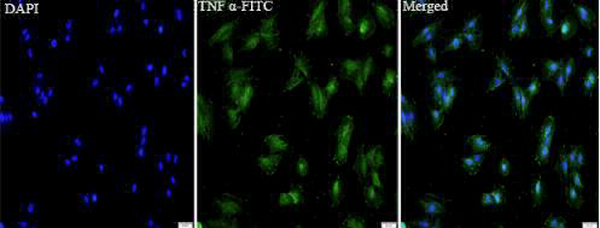
Anti TNFa polyclonal antibody
Anti TNFa polyclonal antibodyTNF, as also known as TNF-alpha, or cachectin, is a multifunctional proinflammatory cytokine that belongs to the tumor necrosis factor (TNF) superfamily. It is expressed as a 26 kDa membrane bound protein and is then cleaved by TNF-alpha converting enzyme (TACE) to release the soluble 17 kDa monomer, which forms homotrimers in circulation. It is produced chiefly by activated macrophages, although it can be produced by many other cell types such as CD4+ lymphocytes, NK cells, neutrophils, mast cells, eosinophils, and neurons. It can bind to, and thus functions through its receptors TNFRSF1A/TNFR1 and TNFRSF1B/TNFBR. This cytokine is involved in the regulation of a wide spectrum of biological processes including cell proliferation, differentiation, apoptosis, lipid metabolism, and coagulation. This cytokine has been implicated in a variety of diseases, including autoimmune diseases, insulin resistance, and cancer.

Anti LDHA polyclonal antibody
Anti LDHA polyclonal antibodyLactate dehydrogenase (LDH) is composed of A subunits predominate in skeletal muscle and B subunits are abundantly produced in brain and heart. The LDHA (lactate dehydrogenase A) and COPB1 (coatomer protein complex, subunit beta 1)genes, are involved in energy metabolism and protein transport processes. Both genes might play important roles in muscle development. It has some isoforms with the molecular mass of 27-40 kDa and can form a homotetramer(PMID:11276087). This antibody is specific to LDHA and has no cross reaction to LDHB and LDHC.
最新动态
-
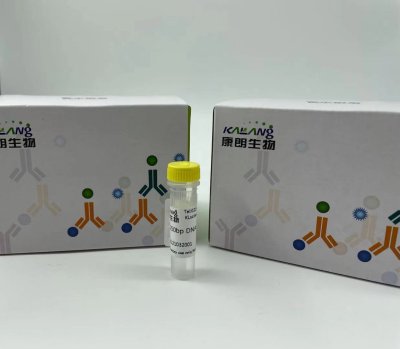
Anti-GNGT1 KL20092-001(50ul)
2021-10-11 -
Anti-GNGT1 antibody(50ul) KL20093-001
2021-10-11 -

骨组织快速脱钙液Ⅰ
2021-09-07 -
外泌体(exosomes)染色试剂盒
2021-09-07 -
外泌体(exosomes)吸附抑制剂
2021-09-07
热门标签
- Histone H3 rabbit Polyclonal Antibody Histone H3抗体
- EGFR rabbit Polyclonal Antibody EGFR抗体
- Cy3 Conjugated
- AbFluor™ 555 Conjugated
- AbFluor™ 680 Conjugated
- AbFluor™ 350 Conjugated
- AbFluor™ 647 Conjugated
- AbFluor™ 594 Conjugated
- AbFluor™ 405 Conjugated
- Cy5 Conjugated
- AbFluor™ 488 Conjugated
- Cyclophilin B抗体 Cyclophilin B Monoclonal Antibody(2B10)
- COX IV抗体 COX IV Monoclonal Antibody(6C8)
- PCNA抗体 PCNA Monoclonal Antibody(12D10)
- FAK rabbit Polyclonal Antibody FAK抗体
邮箱:3002763590@qq.com
电话:021-61998208

扫码关注微信公众号