QQ:3002763590


客服电话:021-61998208
我们是专业的科研试剂供应服务商
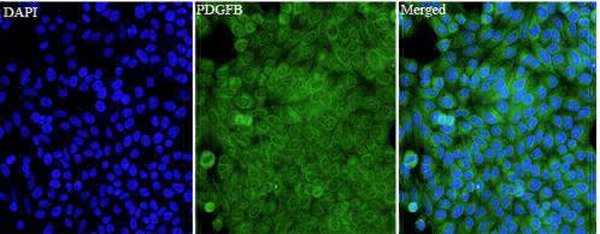
Anti PDGFB polyclonal antibody
Anti PDGFB polyclonal antibodyPlatelet-derived growth factor is a potent mitogen for cells of mesenchymal origin. Binding of this growth factor to its affinity receptor elicits a variety of cellular responses. It is released by platelets upon wounding and plays an important role in stimulating adjacent cells to grow and thereby heal the wound. [SUBUNIT] Antiparallel disulfide-linked dimer of nonidentical (A and B) chains. Homodimers of A and B chains are implicated in transformation processes. A-A and B-B, as well as A-B, dimers can bind to the PDGF receptor. Belongs to the PDGF/VEGF growth factor family.
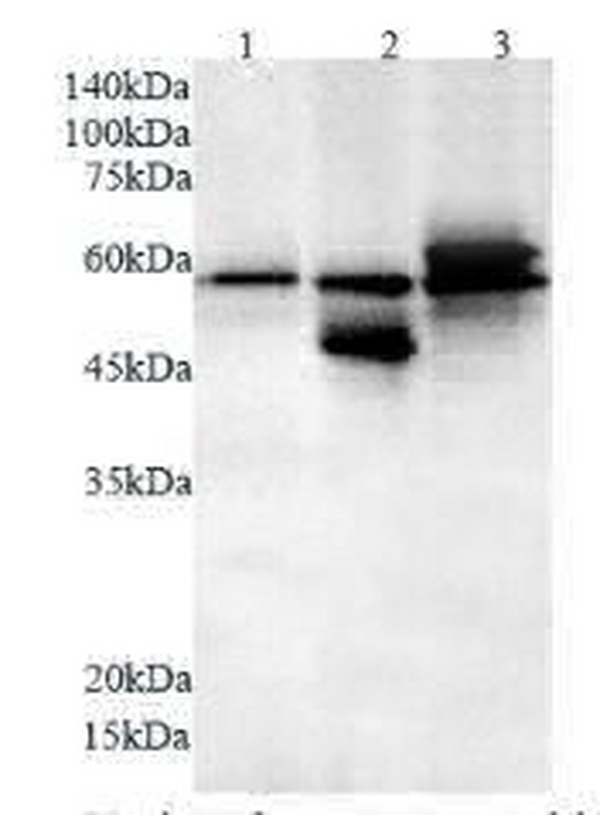
Anti NEU1 polyclonal antibody
Anti NEU1 polyclonal antibodyNEU1 (lysosomal sialidase) encodes a kind of lysosomal enzyme that could cleave terminal silic acids from glycoproteins or glycolipids to regulate various biological processes by conformational change (PMID:28130415). In the lysosome, NEU1 is one member of a heterotrimeric complex, the others are beta-galactosidase and cathepsin A. The NEU1 is widely expressed in mammalian tissues and involved in lysosomal storage disorder sialidosis, autoimmune diseases and the malignancy and metastasis of cancer cells (PMID:19075514). NUE1 also expresses on the plasma membrane where it modulates several signalling molecules about inflamation, exocytosis, phagocytosis, cell adhesion and proliferation (PMID:21928149). Addition, it is reported that mutation in NEU1 of human could lead to sialidosis (PMID:14517945).
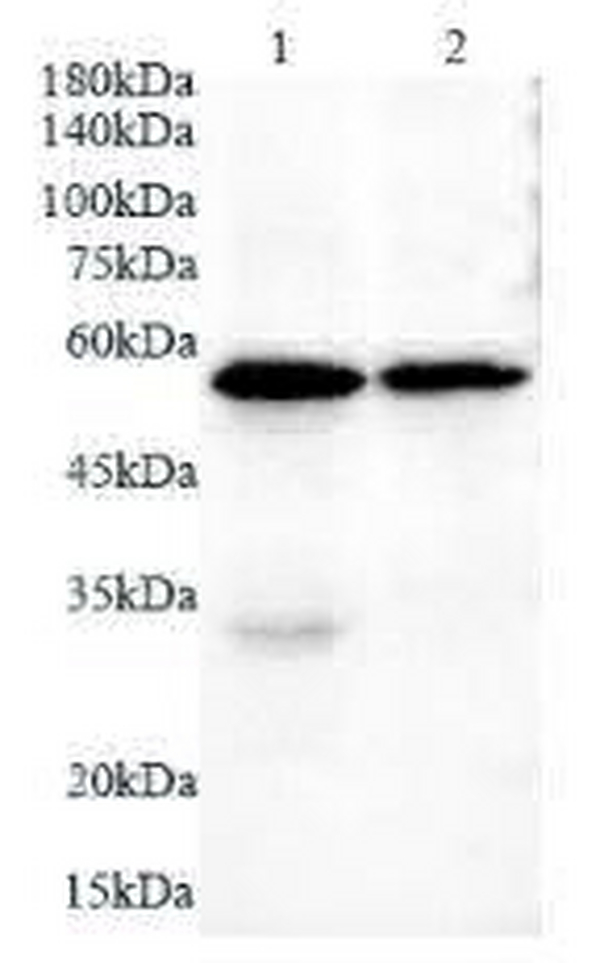
Anti CRTC polyclonal antibody
Anti CRTC polyclonal antibodyCALR,also named as grp60, ERp60, HACBP, CRP55, CRTC and Calregulin, belongs to the calreticulin family. It is a molecular calcium-binding chaperone promoting folding, oligomeric assembly and quality control in the ER via the calreticulin/calnexin cycle. CALR is a ER marker. It interacts transiently with almost all of the monoglucosylated glycoproteins that are synthesized in the ER. CALR interacts with the DNA-binding domain of NR3C1 and mediates its nuclear export. The MW of CALR migrates aberrantly at 55 kDa by SDS-PAGE. Some study provided that it's a new possibility for CRT-mediated tumor immune prevention and treatment.
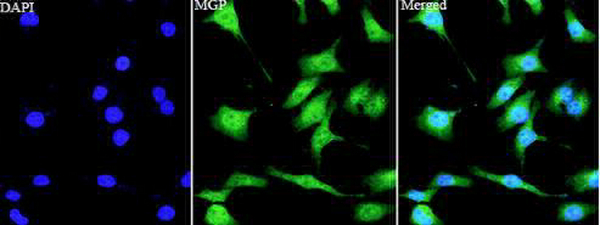
Anti MGP polyclonal antibody
Anti MGP polyclonal antibodyMatrix Gla protein (MGP), a vitamin K-dependent protein, is recognized as a calcification inhibitor in vascular tissue. Defects in MGP are the cause of Keutel syndrome (KS), which is an autosomal recessive disorder characterized by abnormal cartilage calcification, peripheral pulmonary stenosis neural hearing loss and midfacial hypoplasia.
Anti PVRL2 polyclonal antibody
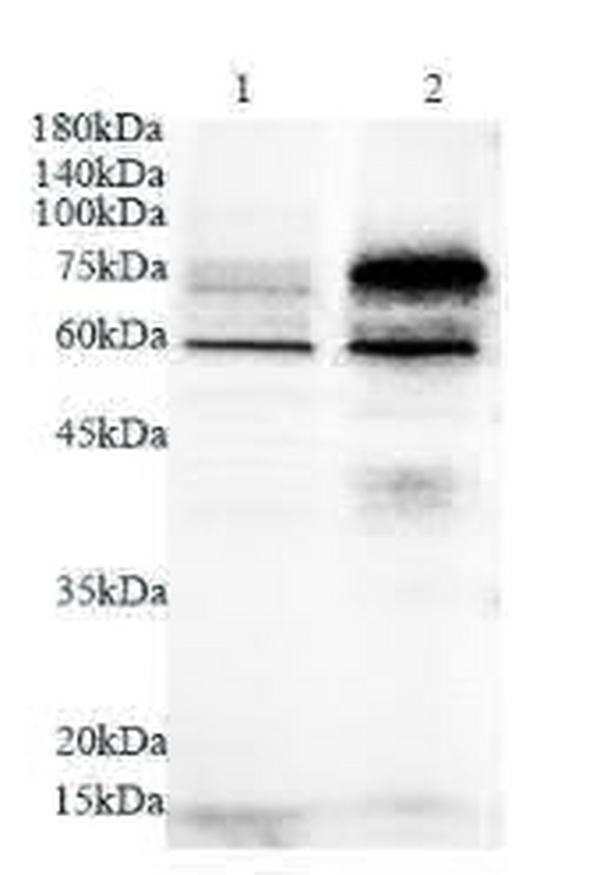
Anti PVRL2 polyclonal antibodyNectin 2, also named as PVRL2, CD112, HVEB, PRR2 and PVRR2, is an adhesion molecule widely expressed in cell lines of different lineages, including hematopoietic, neuronal, endothelial and epithelial cells. CD112 belongs to a new family of immunoglobulin-like molecules that includes four members (CD111, CD112, PRR3 and CD155) sharing an ectodomain made of three Ig domains, of V, C, C types. CD112 is expressed in the myelo-monocytic and megakaryocytic hematopoietic lineages and the function in hematopoiesis is currently unknown. CD112 is an intercellular homophilic adhesion. CD112 localizes specifically at adherents junctions via its cytoplasmic interaction with the scaffold F-actin binding protein afadin. Disruption of the murine CD112 gene leads to infertility of male mice with morphologically aberrant spermatozoa. CD112 mediates entry of some alphaherpesvirus mutants (also named HveB) via its V domain. CD112 is involved in cell to cell spreading of virus
Anti SUMO2 polyclonal antibody
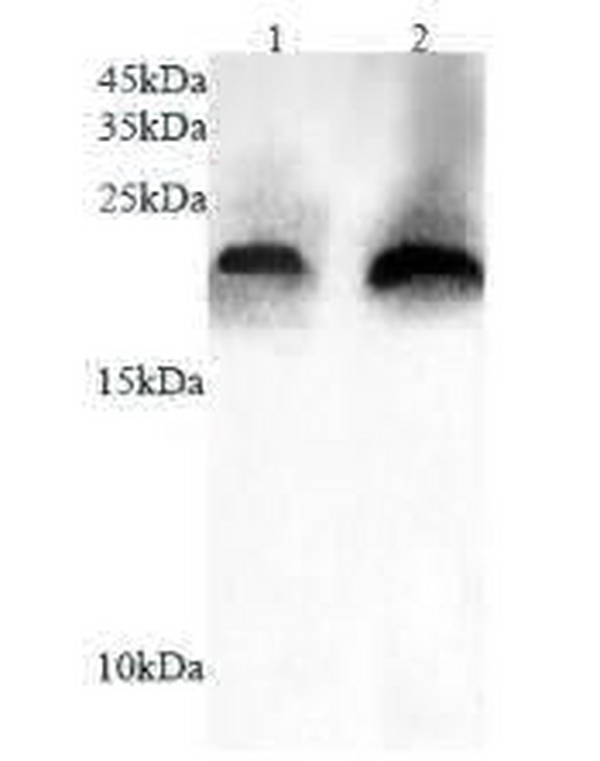
Anti SUMO2 polyclonal antibodyUbiquitin is most famous for its function in targeting proteins for degradation by the 26S proteasome, ubiquitin needs to be attached to a substrate in chains (polyubiquitylation) before being recognized by proteasome. Similarly, SUMO (small ubiquitin-related modifier) can be linked to substrates in chains (polysumoylation), SUMO modification has been implicated in many important cellular processes including the control of genome stability, signal transduction, targeting to and formation of nuclear compartments, cell cycle and meiosis. There are 4 confirmed SUMO isoforms in human, SUMO-1, SUMO-2, SUMO-3 and SUMO-4. SUMO-2 and SUMO-3 are nearly identical but are distinct from SUMO-1. SUMO2/3 conjugation was recently widely involved in neuroprotective activities. A substitution (M55V) of SUMO4 was strongly associated with the pathogenesis of type 1 diabetes (T1D) involving NF kappa B related mechanisms.
Anti IL6 polyclonal antibody
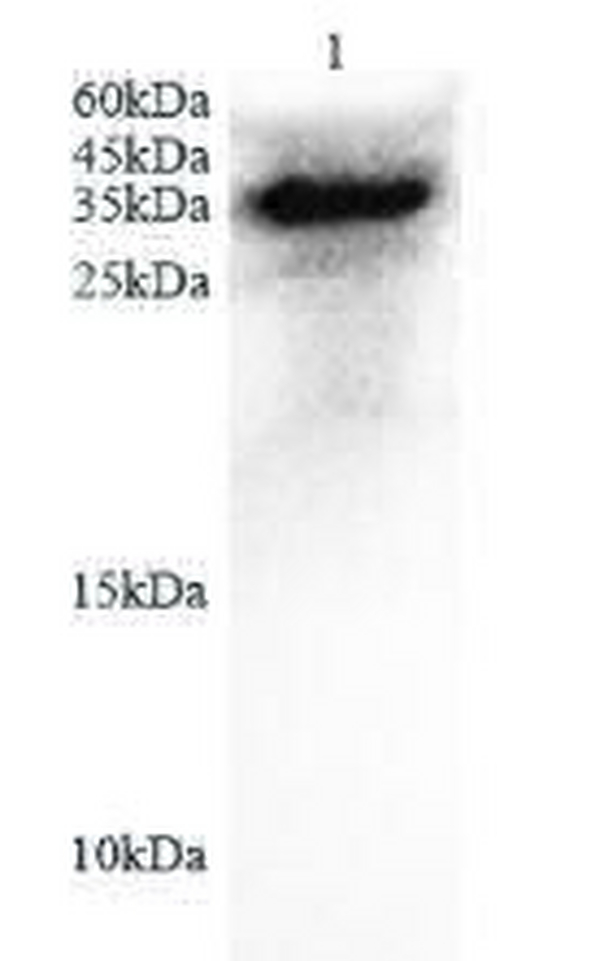
Anti IL6 polyclonal antibodyInterleukin-6 (IL-6) is an interleukin that acts as both a pro-inflammatory and anti-inflammatory cytokine. IL-6 protein is secreted by a variety of cell types including T cells and macrophages as phosphorylated and variably glycosylated molecule. IL-6 plays an essential role in the final differentiation of B-cells into Ig-secreting cells involved in lymphocyte and monocyte differentiation. It induces myeloma and plasmacytoma growth and induces nerve cells differentiation acts on B-cells, T-cells, hepatocytes, hematopoietic progenitor cells and cells of the CNS. IL-6 is also considered a myokine, a cytokine produced from muscle, and is elevated in response to muscle contraction. IL-6 has been shown to interact with interleukin-6 receptor and glycoprotein 130. Additionally, IL-6 is involved in hematopoiesis, bone metabolism, and cancer progression, and has been defined an essential role in directing transition from innate to acquired immunity.
Anti MMP7 polyclonal antibody
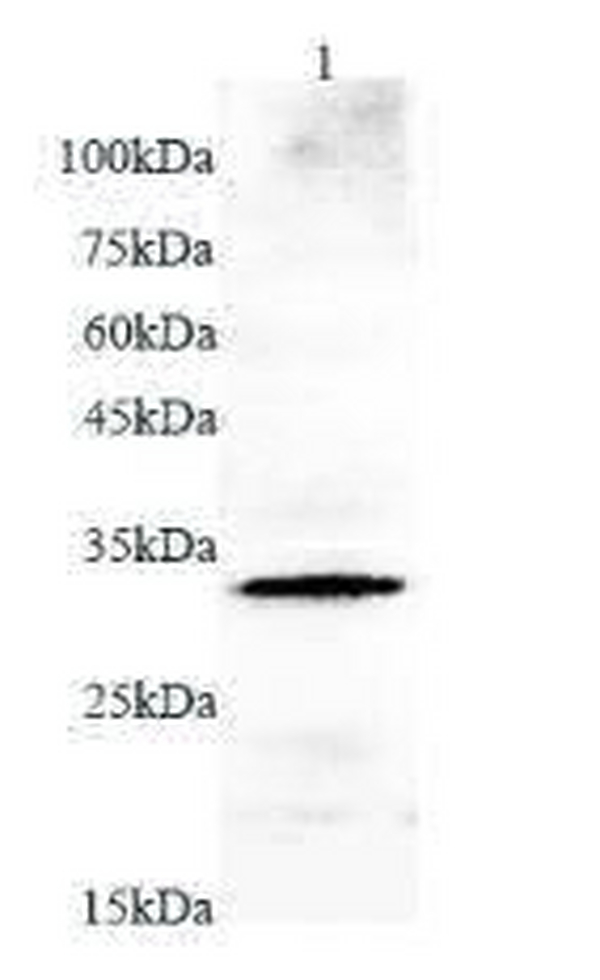
Anti MMP7 polyclonal antibodyMatrix metalloproteinase-7 (MMP-7)/ matrilysin is a member of the MMP family, but is structurally different from the other MMPs by virtue of the absence of a conserved COOH-terminal protein domain. MMPs are involved in the breakdown of extracellular matrix in normal physiological processes, such as embryonic development reproduction, and tissue remodeling, as well as in disease processes, such as arthritis and cancer metastasis. Most MMP's are secreted as inactive proproteins which are activated when cleaved by extracellular proteinases. MMP-7 degrades proteoglycans, fibronectin, elastin and casein, and is involved in wound healing, tumor progression, pulmonary fibrosis, and development of choroidal neovascularization in age-related macular degeneration. The expression of MMP-7 is increased in most tumors. This antibody can only recognize the full-length of MMP7.
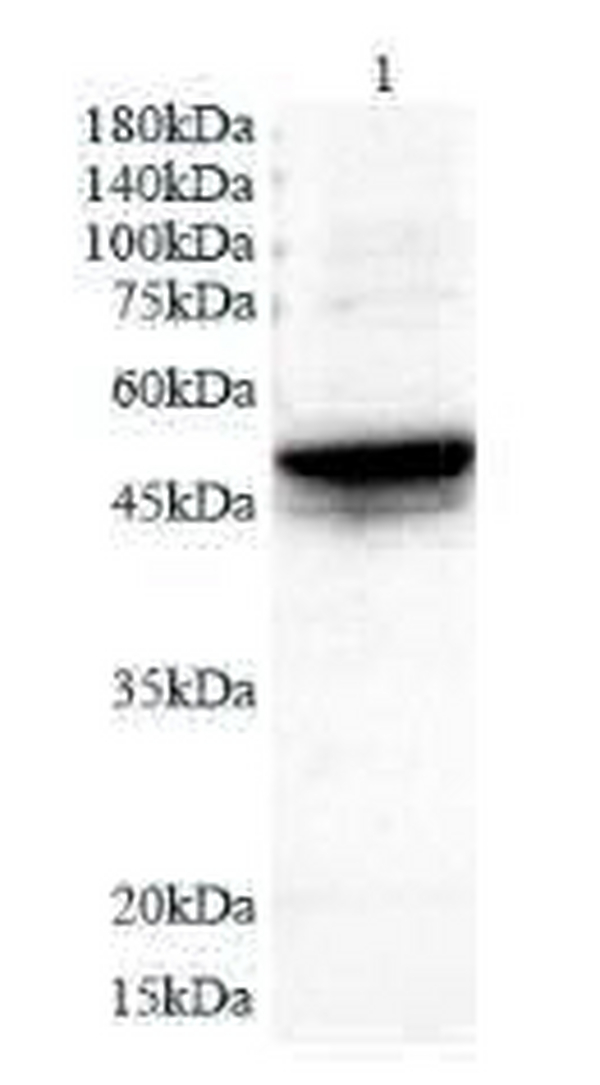
Anti KRT15 polyclonal antibody
Anti KRT15 polyclonal antibodyKeratins are a large family of proteins that form the intermediate filament cytoskeleton of epithelial cells, which are classified into two major sequence types. Type I keratins are a group of acidic intermediate filament proteins, including K9–K23, and the hair keratins Ha1–Ha8. Type II keratins are the basic or neutral courterparts to the acidic type I keratins, including K1–K8, and the hair keratins, Hb1–Hb6. Keratin 15 is a type I cytokeratin. It is found in some progenitor basal cells within complex epithelia.
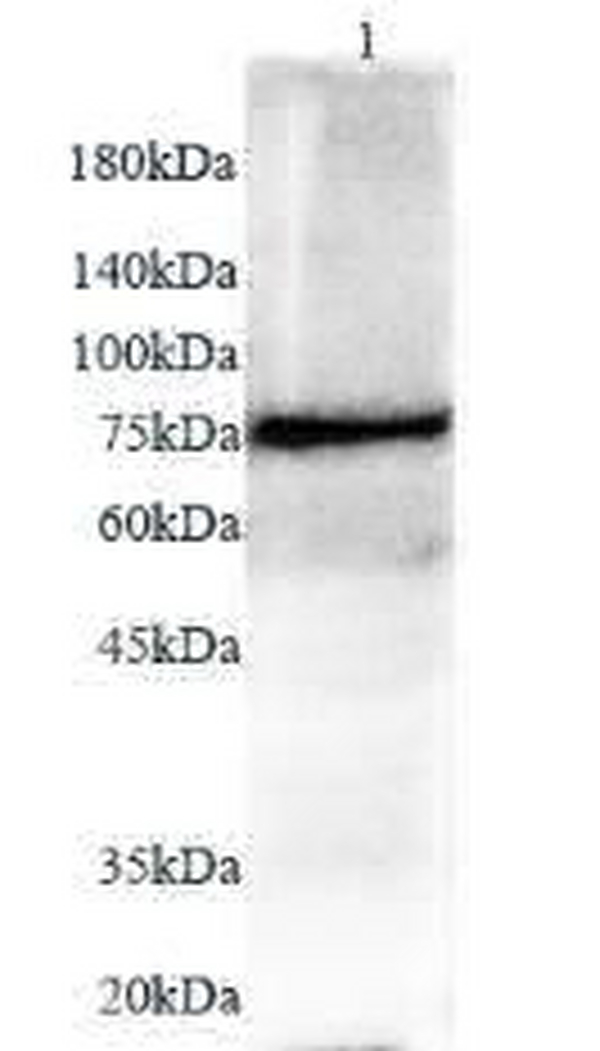
Anti MX1 polyclonal antibody
Anti MX1 polyclonal antibodyMx1 (also known as MxA) is a GTPase that belongs to the Mx family of proteins, which are ubiquitous in eukaryotes and involved in the immune response to viral infections. The human Mx1 is localized in the cytoplasm interfering with the translation of viral proteins, whereas the mouse Mx1 accumulates in the nucleus and inhibits the primary transcription of viral RNA. Mx1 expression is induced by treatment with α/β interferon (INF). This antibody can recognize the endogenous Mx1 protein in several tissues like lung and spleen.
最新动态
-
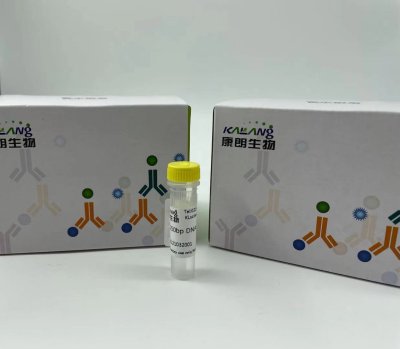
Anti-GNGT1 KL20092-001(50ul)
2021-10-11 -
Anti-GNGT1 antibody(50ul) KL20093-001
2021-10-11 -

骨组织快速脱钙液Ⅰ
2021-09-07 -
外泌体(exosomes)染色试剂盒
2021-09-07 -
外泌体(exosomes)吸附抑制剂
2021-09-07
热门标签
- Histone H3 rabbit Polyclonal Antibody Histone H3抗体
- EGFR rabbit Polyclonal Antibody EGFR抗体
- Cy3 Conjugated
- AbFluor™ 555 Conjugated
- AbFluor™ 680 Conjugated
- AbFluor™ 350 Conjugated
- AbFluor™ 647 Conjugated
- AbFluor™ 594 Conjugated
- AbFluor™ 405 Conjugated
- Cy5 Conjugated
- AbFluor™ 488 Conjugated
- Cyclophilin B抗体 Cyclophilin B Monoclonal Antibody(2B10)
- COX IV抗体 COX IV Monoclonal Antibody(6C8)
- PCNA抗体 PCNA Monoclonal Antibody(12D10)
- FAK rabbit Polyclonal Antibody FAK抗体
邮箱:3002763590@qq.com
电话:021-61998208

扫码关注微信公众号