QQ:3002763590


客服电话:021-61998208
我们是专业的科研试剂供应服务商
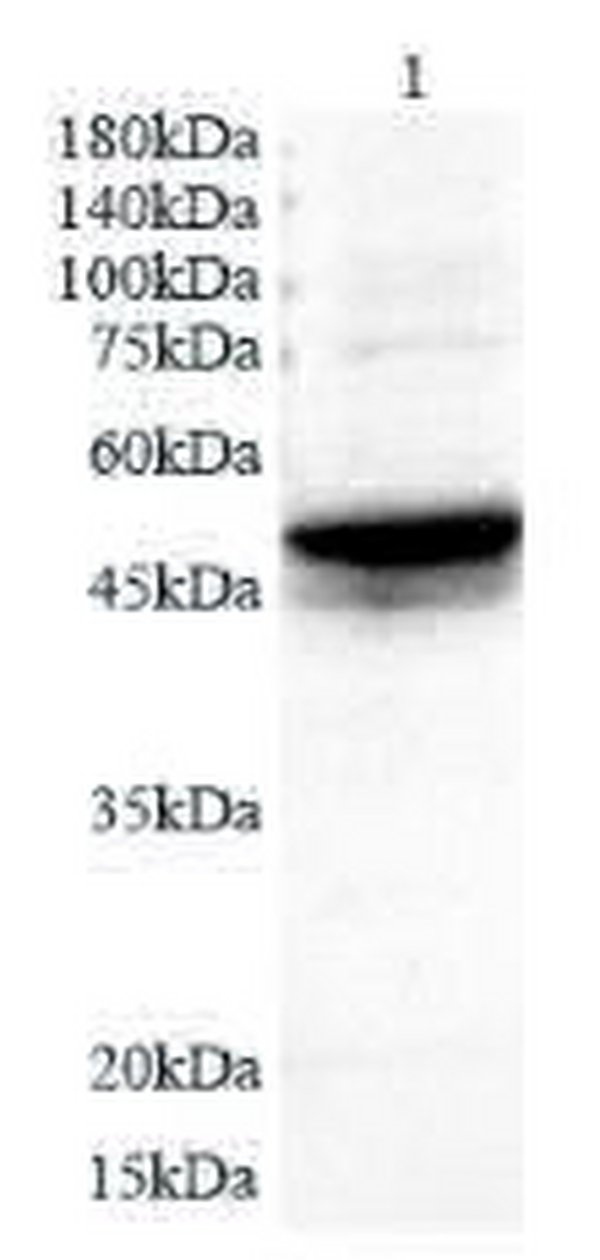
Anti KRT15 polyclonal antibody
Anti KRT15 polyclonal antibodyKeratins are a large family of proteins that form the intermediate filament cytoskeleton of epithelial cells, which are classified into two major sequence types. Type I keratins are a group of acidic intermediate filament proteins, including K9–K23, and the hair keratins Ha1–Ha8. Type II keratins are the basic or neutral courterparts to the acidic type I keratins, including K1–K8, and the hair keratins, Hb1–Hb6. Keratin 15 is a type I cytokeratin. It is found in some progenitor basal cells within complex epithelia.
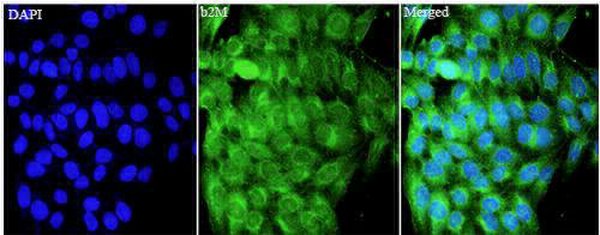
Anti B2M polyclonal antibody
Anti B2M polyclonal antibodyBeta-2-microglobulin (B2M) is a component of MHC class I molecules, which are present on the surface of nearly all nucleated cells. It can be found in body fluids under physiologic conditions as a result of shedding from cell surfaces or intracellular release. B2M has various biological functions, including antigen presentation. Investigations reveal that increased synthesis and release of B2M are present in several malignant diseases.
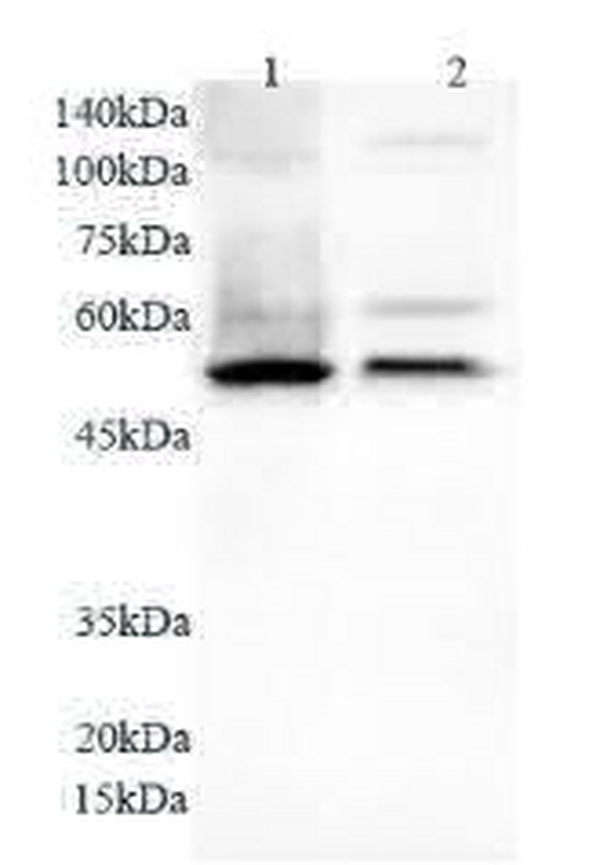
Anti NFkB1 polyclonal antibody
Anti NFkB1 polyclonal antibodyNFkB is a pleiotropic transcription factor which is present in almost all cell types and is involved in many biological processed such as inflammation, immunity, differentiation, cell growth, tumorigenesis and apoptosis. NFkB is activated by various intra- and extracellular stimuli such as cytokines, oxidant free radicals, ultraviolet irradiation, and bacterial or viral products. NFkB is a family of transcription factors that consists of homo- and heterodimers of NFkB1/p50 and RelA/p65 subunits, and controls a variety of cellular events including development and immune responses. All members share a conserved amino terminus domain that includes dimerization, nuclear localization, and DNA binding regions, and a carboxy terminal transactivation domain. Serines 529 and 536 in the transactivation domain of RelA/p65 are phosphorylated in response to several stimuli including phorbol ester, IL1 alpha and TNF alpha as mediated by IkB kinase and p38 MAPK. Phosphor
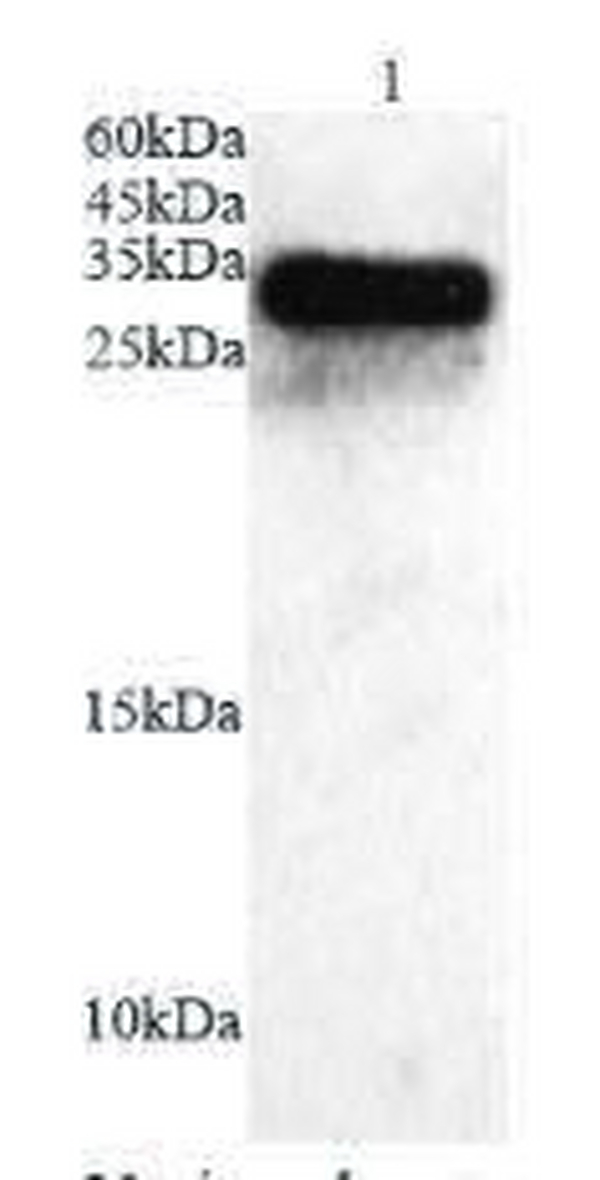
Anti ICOS polyclonal antibody
Anti ICOS polyclonal antibodyInducible T cell co-stimulator (ICOS) is related to the CD28 superfamily and is highly expressed on activated T cells as well as regulatory T cells and is crucial for the survival and function of T cells, Th2 cell differentiation and for lung inflammatory responses. Binding ICOS to ICOS-ligand (ICOS-L) activates a cascade of intracellular signaling molecules that prevent apoptosis and lead to the production of cytokines such as IL-4 and IL-13. Catalog#13338-1-AP recognises two band of 25-30 kDa and 45-50 kDa, and the additional 45-50 kDa band may be due to surface disulfide-linked homodimeric glycoprotein.
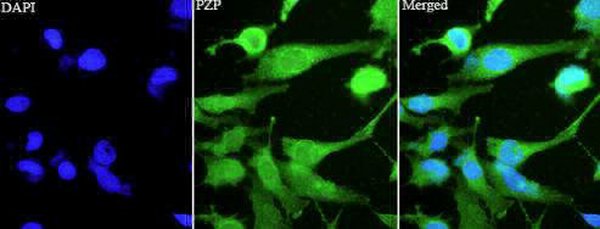
Anti PZP polyclonal antibody
Anti PZP polyclonal antibodyPregnancy Zone protein is a 1,482 amino acid secreted protein that belongs to the protease inhibitor I39 family and exists as multiple alternatively spliced isoforms. Expressed predominately in plasma and in late-pregnancy sera, Pregnancy Zone protein functions as a disulfide-linked homotetramer that is able to trap and inhibit proteinases, thus playing a role in the regulation of protein splitting and small peptide formation. The gene encoding Pregnancy Zone protein maps to human chromosome 12, which encodes over 1,100 genes and comprises approximately 4.5% of the human genome. Chromosome 12 is associated with a variety of diseases and afflictions, including hypochondrogenesis, achondrogenesis, Kniest dysplasia, Noonan syndrome and Trisomy 12p, which causes facial developmental defects and seizure disorders.
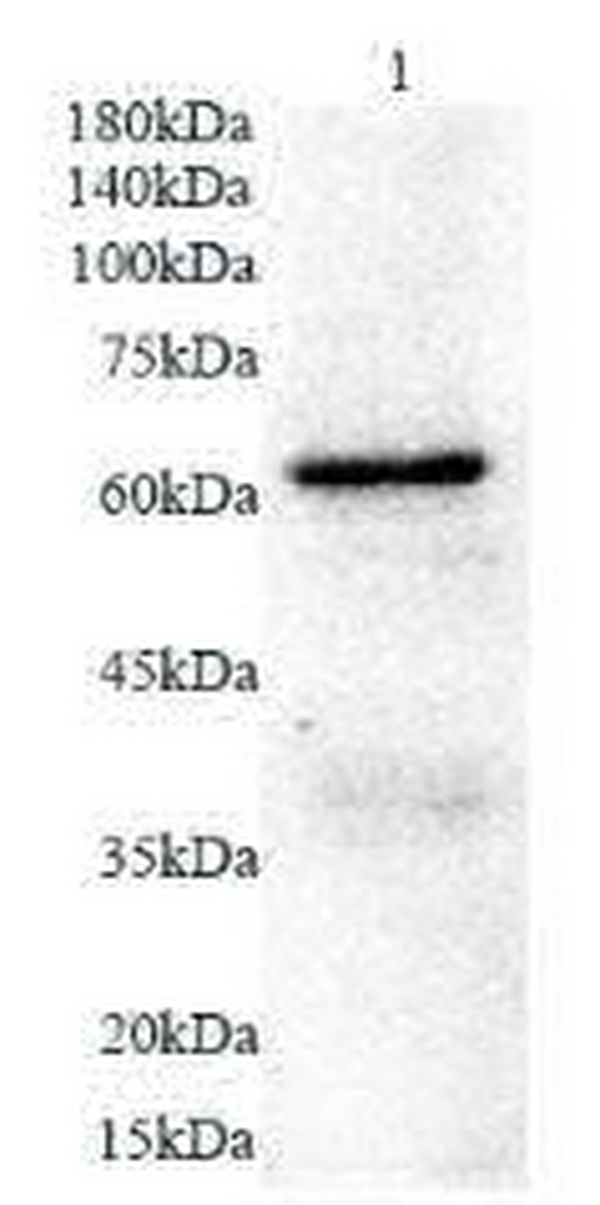
Anti GAD65 polyclonal antibody
Anti GAD65 polyclonal antibodyGAD2, also named as GAD65, belongs to the group II decarboxylase family. GAD2 catalyzes the production of GABA. It is responsible for the synthesis of the essential neurotransmitter gamma-aminobutyric acid (GABA) from L-glutamic acid. GAD2 is expressed in nervous and endocrine systems and are thought to be involved in synaptic transmission and insulin secretion. Autoantibodies against GAD2 may serve as markers for type I diabetes. Many individuals suffering from an adult onset disorder known as Stiff Person Syndrome (SPS) also express autoantibodies to GAD2. The antibody is specific to GAD2.
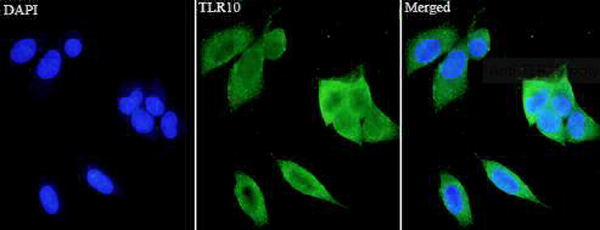
Anti TLR10 polyclonal antibody
Anti TLR10 polyclonal antibodyThe protein encoded by this gene is a member of the Toll-like receptor (TLR) family which plays a fundamental role in pathogen recognition and activation of innate immunity. TLRs are highly conserved from Drosophila to humans and share structural and functional similarities. They recognize pathogen-associated molecular patterns (PAMPs) that are expressed on infectious agents, and mediate the production of cytokines necessary for the development of effective immunity. The various TLRs exhibit different patterns of expression. This gene is most highly expressed in lymphoid tissues such as spleen, lymph node, thymus, and tonsil. Multiple alternatively spliced transcript variants which encode different protein isoforms have been found for this gene.
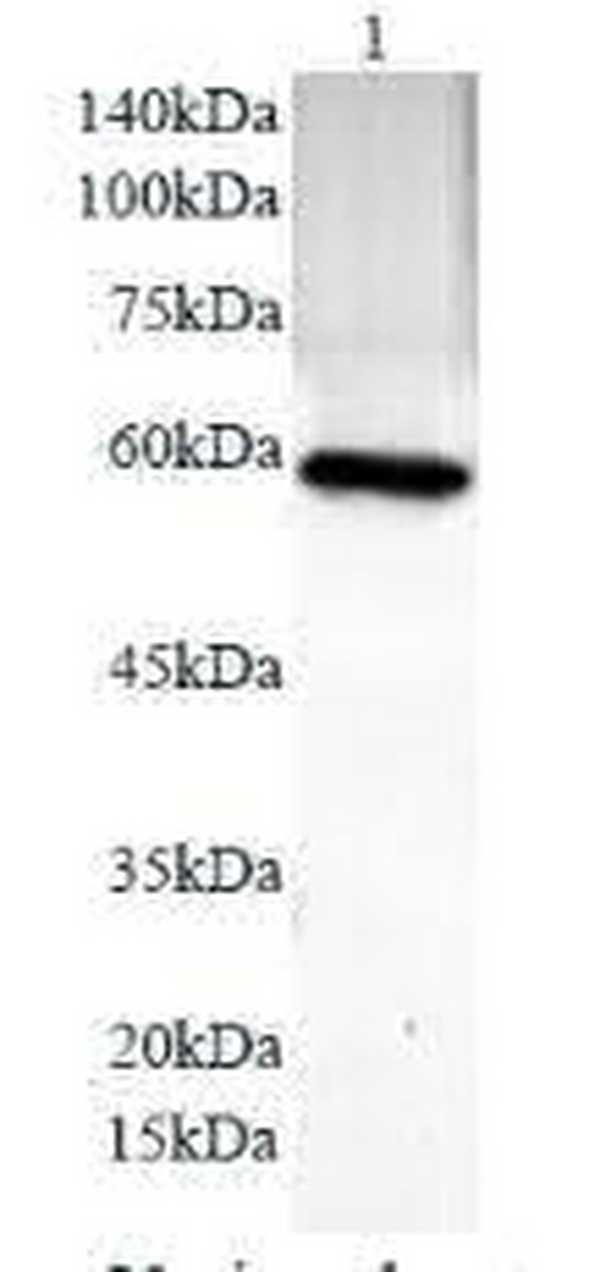
Anti PDL1 polyclonal antibody
Anti PDL1 polyclonal antibody Programmed cell death ligand 1 (PD-L1, CD274, or B7-H1), is the first member of B7 family to be discovered. B7 family molecules are type I transmembrane proteins belonging to the immunoglobulin superfamily. In concert with their CD28 family receptors, the B7s are key regulators of the adaptive immune response. PD-L1 is suggested as a negative regulator of T and B cell, and plays important role in mediating tolerance of lymphocytes to self-antigens. It is also involved in the costimulatory signal, essential for T-cell proliferation and production of IL10 and IFNG, in an IL2-dependent and a PD-1-independent manner. PD-L1 is a 290 aa transmembrane protein with a calculated molecular weight of 33 kDa, it is predicted to be 27-30 kDa after signal peptide cleavage (PMID: 25609200,17076679). The apparent molecular weight has also been reported as 45-70 kDa, major glycosylated form of 45-50 kDa and multiple post-translational modifications form of 65-70 kDa (PMID:
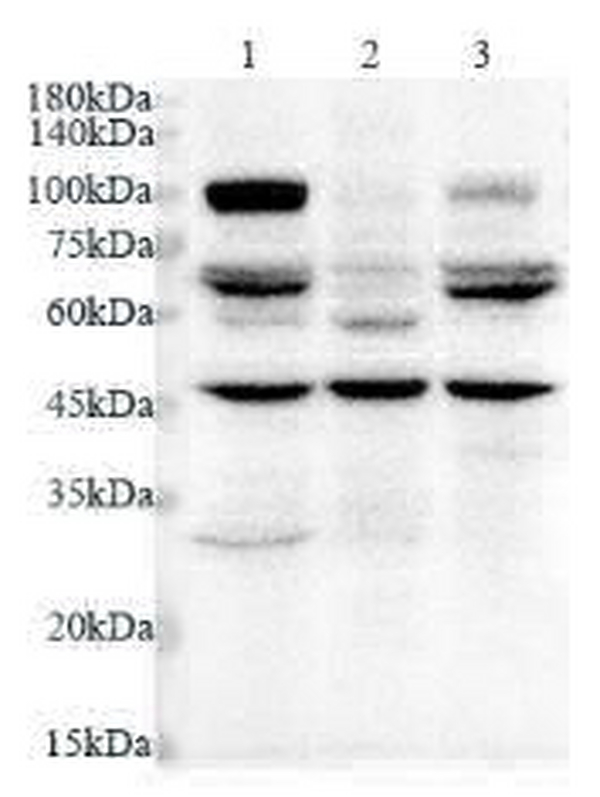
Anti HDAC10 polyclonal antibody
Anti HDAC10 polyclonal antibodyThe enzymes responsible for the reversible acetylation/ deacetylation process of histones are histone acetyltransferases (HATs) and histone deacetylases (HDACs), respectively. HATs act as transcriptional coactivators and HDACs are part of transcriptional corepressor complexes. Mammalian HDACs can be divided into three classes according to sequence homology. Class I consists of the yeast Rpd3 like proteins HDAC1, HDAC2, HDAC3, and HDAC8. Class II consists of the yeast Hda1 like proteins HDAC10, HDAC5, HDAC6, HDAC7, HDAC9, and HDAC10. Class III comprises the yeast Sir2 like proteins. Whereas class I HDACs are ubiquitously expressed, most class II HDACs are tissue specific. HDAC10 is similar to HDAC6, both containing a unique putative second catalytic domain not found in other HDACs. However, this domain is not functional in HDAC10. The deacetylase activity of class II HDACs is regulated by subcellular localization. HDAC10 was localized to both the nucleus a
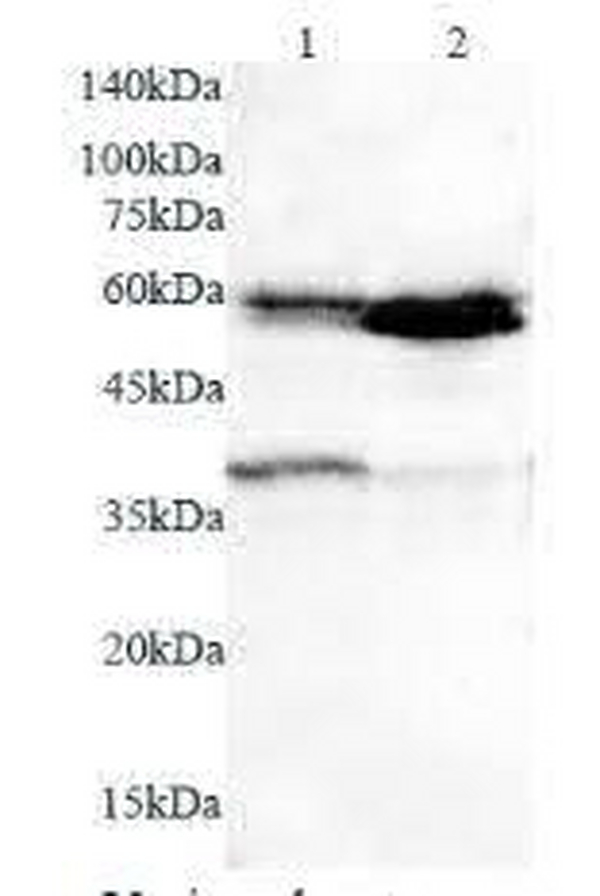
Anti CD1c polyclonal antibody
Anti CD1c polyclonal antibodyThis gene encodes a member of the CD1 family of transmembrane glycoproteins, which are structurally related to the major histocompatibility complex (MHC) proteins and form heterodimers with beta-2-microglobulin. The CD1 proteins mediate the presentation of primarily lipid and glycolipid antigens of self or microbial origin to T cells. The human genome contains five CD1 family genes organized in a cluster on chromosome 1. The CD1 family members are thought to differ in their cellular localization and specificity for particular lipid ligands. The protein encoded by this gene is broadly distributed throughout the endocytic system via a tyrosine-based motif in the cytoplasmic tail. Alternatively spliced transcript variants of this gene have been observed, but their full-length nature is not known. [provided by RefSeq, Jul 2008]
最新动态
-
Anti-GNGT1 KL20092-001(50ul)
2021-10-11 -
Anti-GNGT1 antibody(50ul) KL20093-001
2021-10-11 -

骨组织快速脱钙液Ⅰ
2021-09-07 -
外泌体(exosomes)染色试剂盒
2021-09-07 -
外泌体(exosomes)吸附抑制剂
2021-09-07
热门标签
- Histone H3 rabbit Polyclonal Antibody Histone H3抗体
- EGFR rabbit Polyclonal Antibody EGFR抗体
- Cy3 Conjugated
- AbFluor™ 555 Conjugated
- AbFluor™ 680 Conjugated
- AbFluor™ 350 Conjugated
- AbFluor™ 647 Conjugated
- AbFluor™ 594 Conjugated
- AbFluor™ 405 Conjugated
- Cy5 Conjugated
- AbFluor™ 488 Conjugated
- Cyclophilin B抗体 Cyclophilin B Monoclonal Antibody(2B10)
- COX IV抗体 COX IV Monoclonal Antibody(6C8)
- PCNA抗体 PCNA Monoclonal Antibody(12D10)
- FAK rabbit Polyclonal Antibody FAK抗体
邮箱:3002763590@qq.com
电话:021-61998208

扫码关注微信公众号