QQ:3002763590


客服电话:021-61998208
我们是专业的科研试剂供应服务商
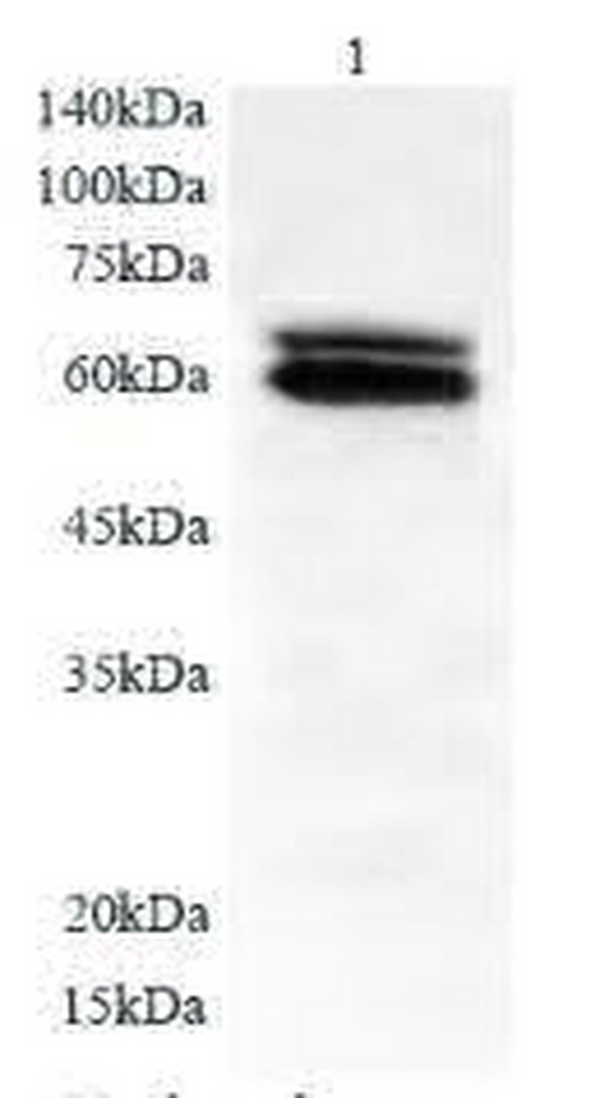
Anti SLC39A6 polyclonal antibody
Anti polyclonal antibodyThe zinc transporter LIV-1 (also known as SLC39A6 or ZIP6) was originally identified as an estrogen-induced gene in breast cancer cells. LIV-1 was also shown to be an effector molecule downstream from soluble growth factors. Elevated LIV-1 expression is reportedly related to cancer progression in various types of cancer, including breast, prostate, pancreatic, cervical and liver cancers. While correlation of LIV-1 and prognosis may vary. LIV 1 has 3 isoforms with MW of 85-100 (glycosylation and phosphorylation), 48 and 32 kDa while migrates as different bands in different lysates in SDS-PAGE.
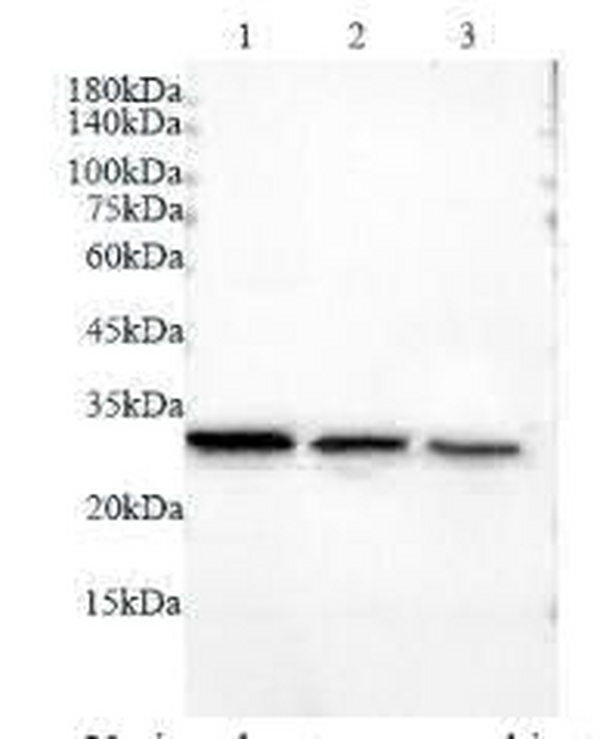
Anti LDHA polyclonal antibody
Anti LDHA polyclonal antibodyLactate dehydrogenase (LDH) is composed of A subunits predominate in skeletal muscle and B subunits are abundantly produced in brain and heart. The LDHA (lactate dehydrogenase A) and COPB1 (coatomer protein complex, subunit beta 1)genes, are involved in energy metabolism and protein transport processes. Both genes might play important roles in muscle development. It has some isoforms with the molecular mass of 27-40 kDa and can form a homotetramer(PMID:11276087). This antibody is specific to LDHA and has no cross reaction to LDHB and LDHC.
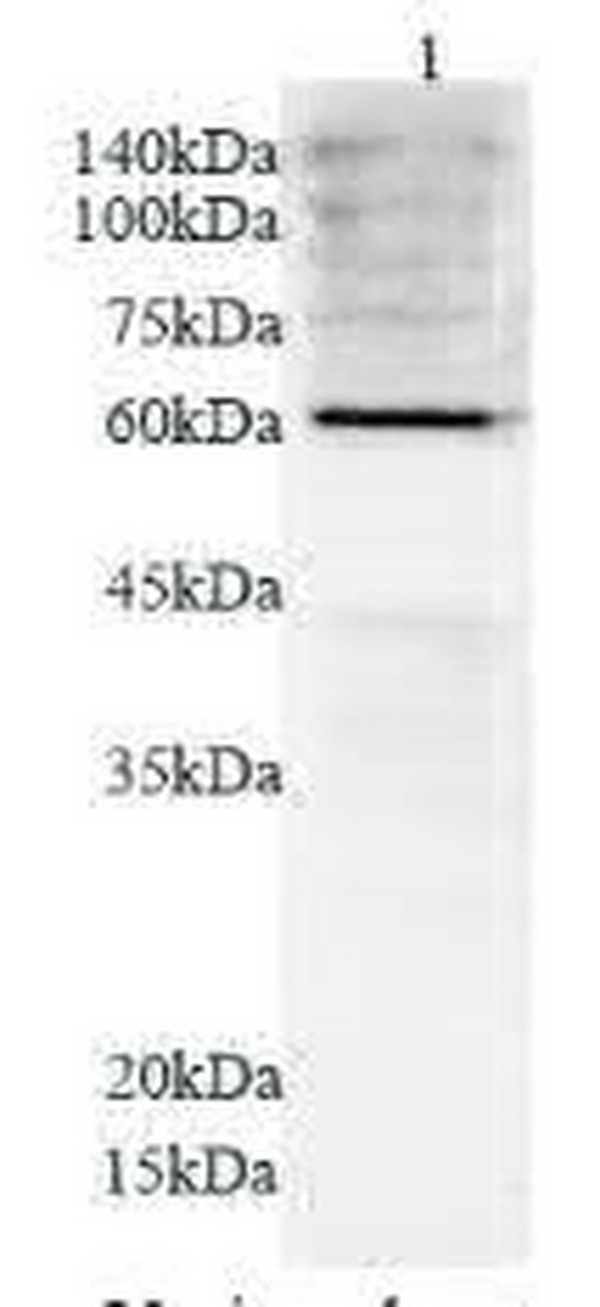
Anti CYP3A4 polyclonal antibody
Anti CYP3A4 polyclonal antibodyCytochrome P450 3A(CYP3A) belongs to the cytochrome P450 family and the enzymes constitute an important detoxification system that contributes to primary metabolism of more than half of all prescribed medications.CYP3A expression determines impairment of drug absorption and efficient systemic clearance in a tissue-specific manner(PMID:17975676).
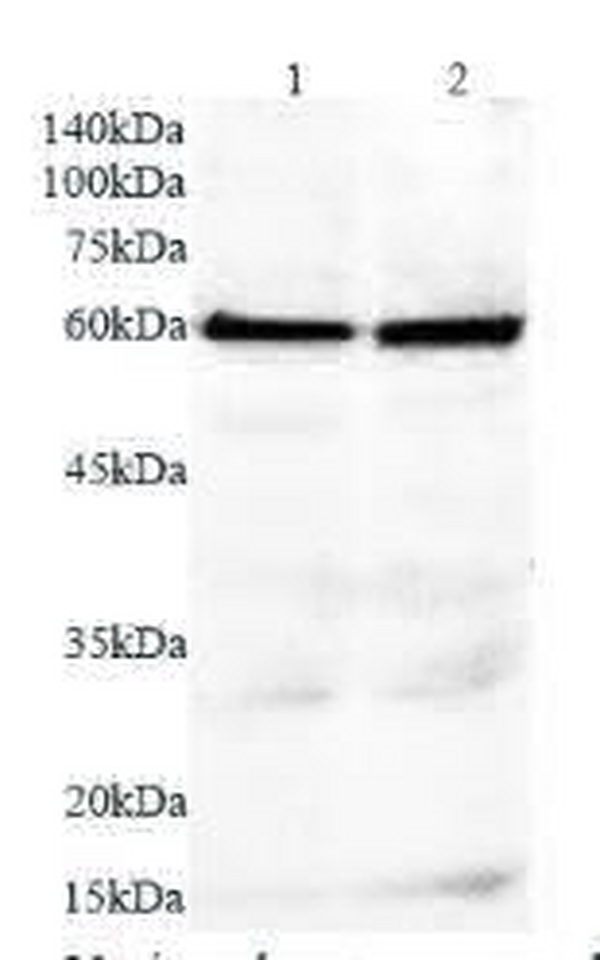
Anti CHGA polyclonal antibody
Anti CHGA polyclonal antibodyChromogranin A is a member of the granin family of neuroendocrine secretory proteins. It is located in secretory vesicles of neurons and endocrine cells. Chromogranin A is the precursor to several functional peptides including vasostatin, pancreastatin, catestatin and parastatin. These peptides negatively modulate the neuroendocrine function of the releasing cell (autocrine) or nearby cells (paracrine). CgA is one of the most used tumor markers in NET's (neuroendocrine tumors) , and elevated CgA concentrations have been demonstrated in serum or plasma of patients with different types of these tumors.
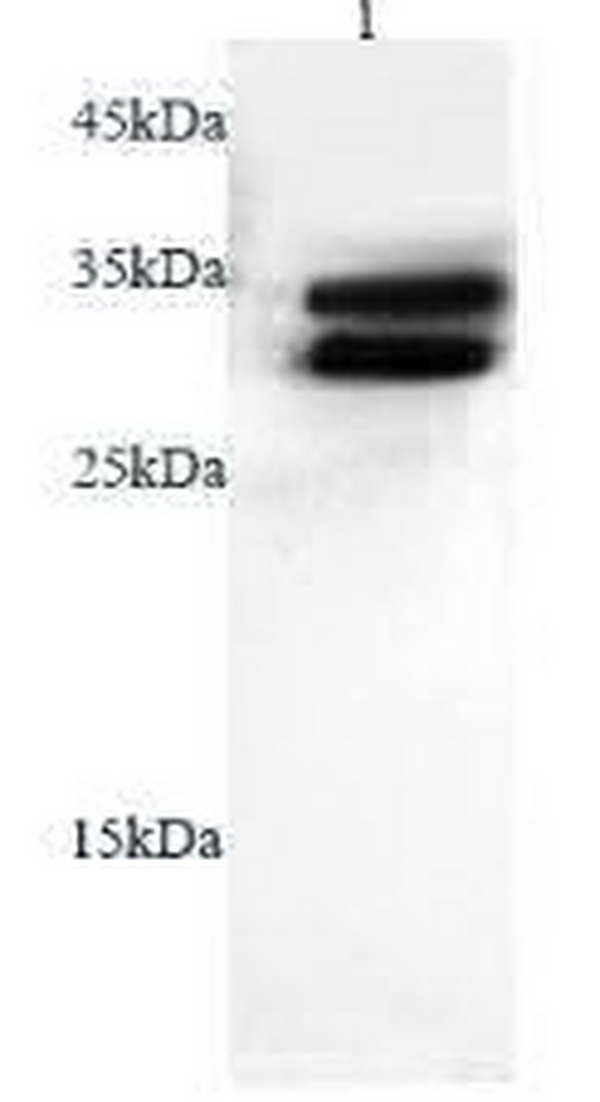
Anti Adiponectin polyclonal antibody
Anti Adiponectin polyclonal antibodyAdiponectin (AdipoQ), an adipocyte-derived hormone, is one of the most abundant adipokines in the blood circulation. Adiponectin modulates a number of metabolic processes, including improving insulin sensitivity and anti-inflammatory activity. The role of AdipoQ in reproduction is not yet fully understood, but the expression of AdipoQ in reproductive tissues has been observed in various animals and humans, including chicken testis, bovine ovary, and human placenta. Adiponectin exerts its effects by activating a range of different signaling molecules via binding to two transmembrane AdipoQ receptors, AdipoR1 and AdipoR2. AdipoR1 is expressed primarily in the skeletal muscle, whereas AdipoR2 is predominantly expressed in the liver. AdipoQ May play a role in cell growth, angiogenesis and tissue remodeling by binding and sequestering various growth factors.
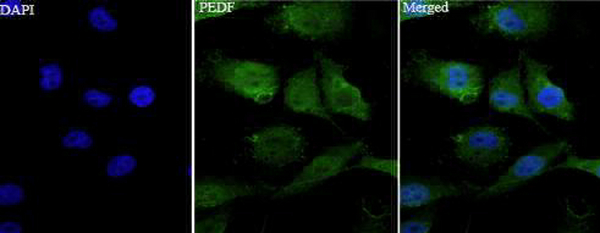
Anti PEDF polyclonal antibody
Anti PEDF polyclonal antibodyPEDF also known as serpin F1 (SERPINF1), is a multifunctional secreted protein that has anti-angiogenic, anti-tumorigenic, and neurotrophic functionsis. It is an approximately 50-kDa secreted protein that is widely expressed, including by osteoblasts and osteoclasts. PEDF is also one of the most abundant secretory products of adipocytes, and circulating concentrations of PEDF correlate positively with body fat mass and insulin resistance. PEDF is a neurotrophic factor involved in neuronal differentiation in retinoblastoma cells. Mutations in this gene were found in individuals with osteogenesis imperfecta, type VI.
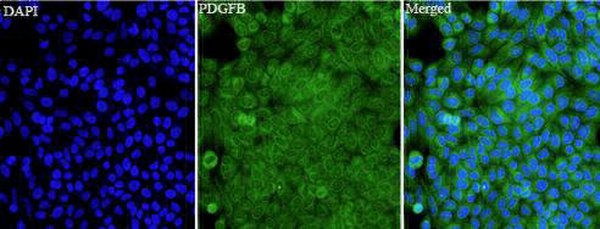
Anti PDGFB polyclonal antibody
Anti PDGFB polyclonal antibodyPlatelet-derived growth factor is a potent mitogen for cells of mesenchymal origin. Binding of this growth factor to its affinity receptor elicits a variety of cellular responses. It is released by platelets upon wounding and plays an important role in stimulating adjacent cells to grow and thereby heal the wound. [SUBUNIT] Antiparallel disulfide-linked dimer of nonidentical (A and B) chains. Homodimers of A and B chains are implicated in transformation processes. A-A and B-B, as well as A-B, dimers can bind to the PDGF receptor. Belongs to the PDGF/VEGF growth factor family.
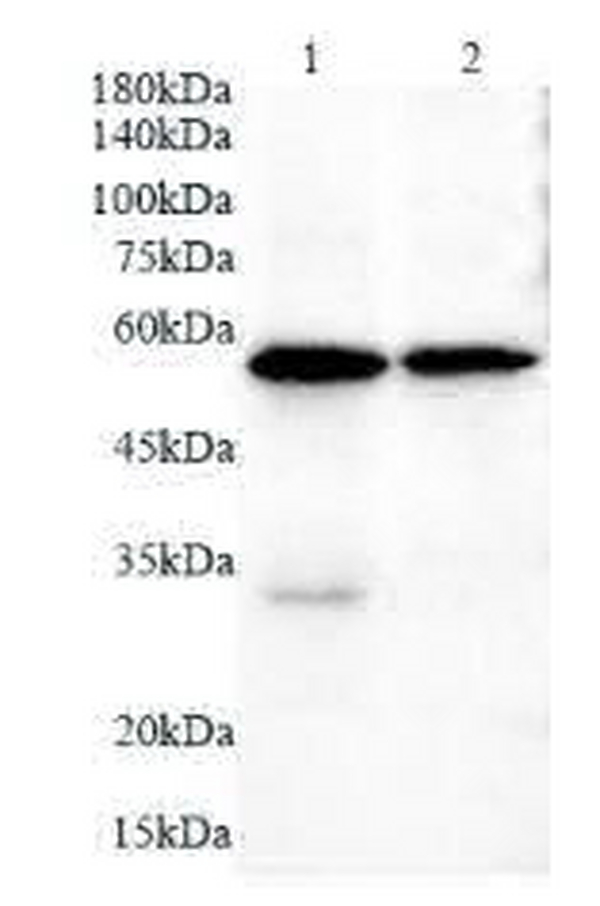
Anti CRTC polyclonal antibody
Anti CRTC polyclonal antibodyCALR,also named as grp60, ERp60, HACBP, CRP55, CRTC and Calregulin, belongs to the calreticulin family. It is a molecular calcium-binding chaperone promoting folding, oligomeric assembly and quality control in the ER via the calreticulin/calnexin cycle. CALR is a ER marker. It interacts transiently with almost all of the monoglucosylated glycoproteins that are synthesized in the ER. CALR interacts with the DNA-binding domain of NR3C1 and mediates its nuclear export. The MW of CALR migrates aberrantly at 55 kDa by SDS-PAGE. Some study provided that it's a new possibility for CRT-mediated tumor immune prevention and treatment.
Anti PVRL2 polyclonal antibody
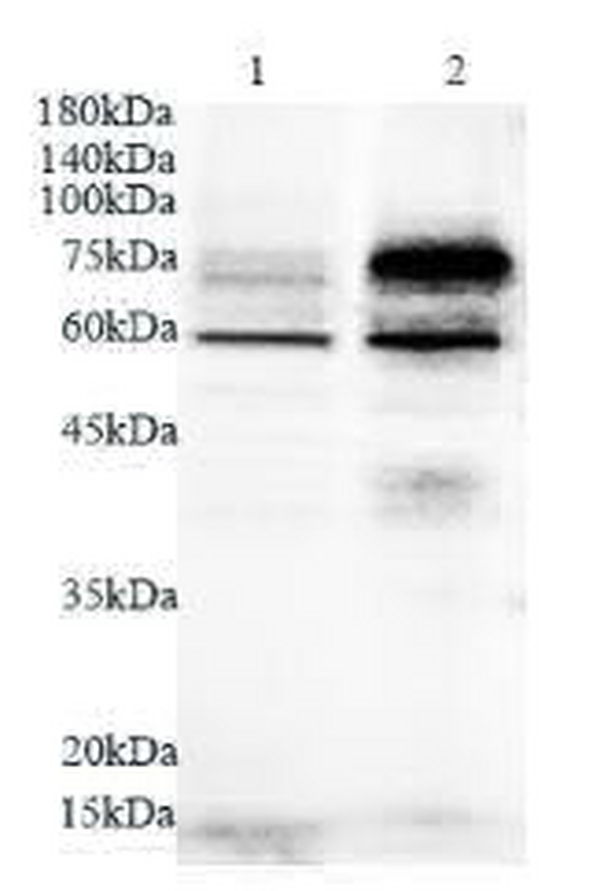
Anti PVRL2 polyclonal antibodyNectin 2, also named as PVRL2, CD112, HVEB, PRR2 and PVRR2, is an adhesion molecule widely expressed in cell lines of different lineages, including hematopoietic, neuronal, endothelial and epithelial cells. CD112 belongs to a new family of immunoglobulin-like molecules that includes four members (CD111, CD112, PRR3 and CD155) sharing an ectodomain made of three Ig domains, of V, C, C types. CD112 is expressed in the myelo-monocytic and megakaryocytic hematopoietic lineages and the function in hematopoiesis is currently unknown. CD112 is an intercellular homophilic adhesion. CD112 localizes specifically at adherents junctions via its cytoplasmic interaction with the scaffold F-actin binding protein afadin. Disruption of the murine CD112 gene leads to infertility of male mice with morphologically aberrant spermatozoa. CD112 mediates entry of some alphaherpesvirus mutants (also named HveB) via its V domain. CD112 is involved in cell to cell spreading of virus
Anti IL6 polyclonal antibody
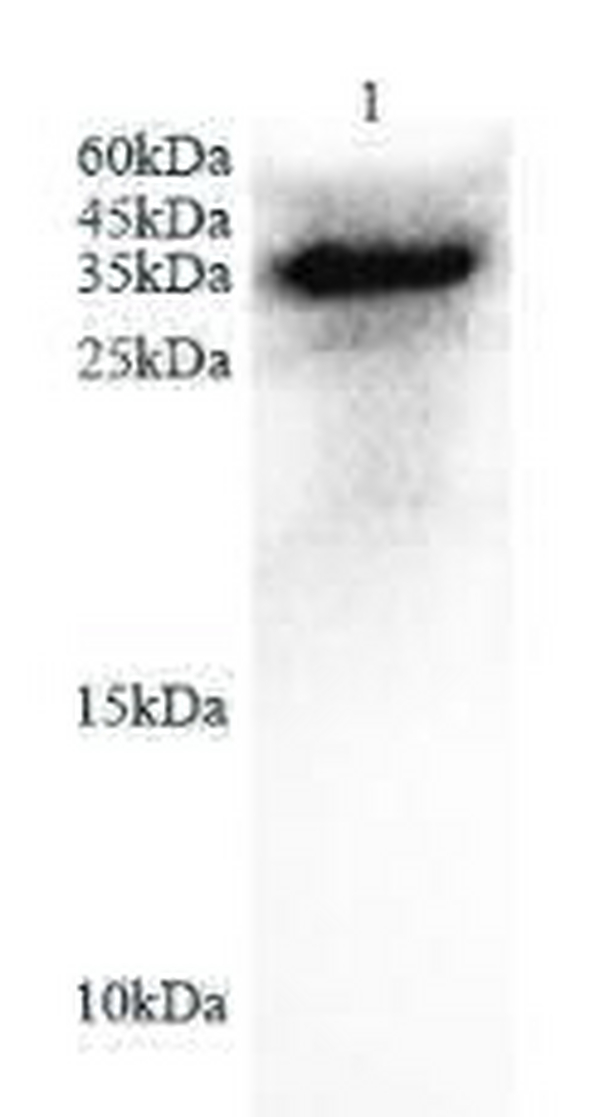
Anti IL6 polyclonal antibodyInterleukin-6 (IL-6) is an interleukin that acts as both a pro-inflammatory and anti-inflammatory cytokine. IL-6 protein is secreted by a variety of cell types including T cells and macrophages as phosphorylated and variably glycosylated molecule. IL-6 plays an essential role in the final differentiation of B-cells into Ig-secreting cells involved in lymphocyte and monocyte differentiation. It induces myeloma and plasmacytoma growth and induces nerve cells differentiation acts on B-cells, T-cells, hepatocytes, hematopoietic progenitor cells and cells of the CNS. IL-6 is also considered a myokine, a cytokine produced from muscle, and is elevated in response to muscle contraction. IL-6 has been shown to interact with interleukin-6 receptor and glycoprotein 130. Additionally, IL-6 is involved in hematopoiesis, bone metabolism, and cancer progression, and has been defined an essential role in directing transition from innate to acquired immunity.
最新动态
-
Anti-GNGT1 KL20092-001(50ul)
2021-10-11 -
Anti-GNGT1 antibody(50ul) KL20093-001
2021-10-11 -

骨组织快速脱钙液Ⅰ
2021-09-07 -
外泌体(exosomes)染色试剂盒
2021-09-07 -
外泌体(exosomes)吸附抑制剂
2021-09-07
热门标签
- Histone H3 rabbit Polyclonal Antibody Histone H3抗体
- EGFR rabbit Polyclonal Antibody EGFR抗体
- Cy3 Conjugated
- AbFluor™ 555 Conjugated
- AbFluor™ 680 Conjugated
- AbFluor™ 350 Conjugated
- AbFluor™ 647 Conjugated
- AbFluor™ 594 Conjugated
- AbFluor™ 405 Conjugated
- Cy5 Conjugated
- AbFluor™ 488 Conjugated
- Cyclophilin B抗体 Cyclophilin B Monoclonal Antibody(2B10)
- COX IV抗体 COX IV Monoclonal Antibody(6C8)
- PCNA抗体 PCNA Monoclonal Antibody(12D10)
- FAK rabbit Polyclonal Antibody FAK抗体
邮箱:3002763590@qq.com
电话:021-61998208

扫码关注微信公众号