QQ:3002763590


客服电话:021-61998208
我们是专业的科研试剂供应服务商
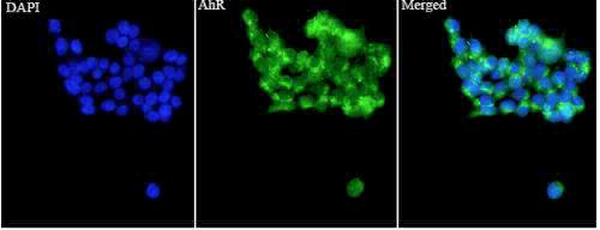
Anti AhR polyclonal antibody
Anti AhR polyclonal antibodyThe aryl hydrocarbon receptor (AhR) is a ligand-activated transcription factor that has been largely regarded as a mediator of xenobiotic metabolism [PMID:18483242]. It plays a part role in physiologic activities, including attenuation of the acute phase response, cytokine signaling, T helper (TH)17 immune cell differentiation, modulation of NF-κB activity, and regulation of hormonal signaling [PMID:20423157,18540824]. It also mediates transcription factor sequestering away from a gene promoter or tethering of the AhR to a transcription factor on a promoter. AHR calculated molecular masses differ by <10%, compared with the apparent molecular masses predicted from SDS-PAGE for the two receptors (105 and 95 kDa, respectively). (PMID: 8246913)
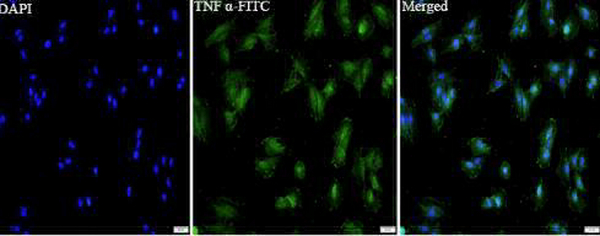
Anti TNFa polyclonal antibody
Anti TNFa polyclonal antibodyTNF, as also known as TNF-alpha, or cachectin, is a multifunctional proinflammatory cytokine that belongs to the tumor necrosis factor (TNF) superfamily. It is expressed as a 26 kDa membrane bound protein and is then cleaved by TNF-alpha converting enzyme (TACE) to release the soluble 17 kDa monomer, which forms homotrimers in circulation. It is produced chiefly by activated macrophages, although it can be produced by many other cell types such as CD4+ lymphocytes, NK cells, neutrophils, mast cells, eosinophils, and neurons. It can bind to, and thus functions through its receptors TNFRSF1A/TNFR1 and TNFRSF1B/TNFBR. This cytokine is involved in the regulation of a wide spectrum of biological processes including cell proliferation, differentiation, apoptosis, lipid metabolism, and coagulation. This cytokine has been implicated in a variety of diseases, including autoimmune diseases, insulin resistance, and cancer.
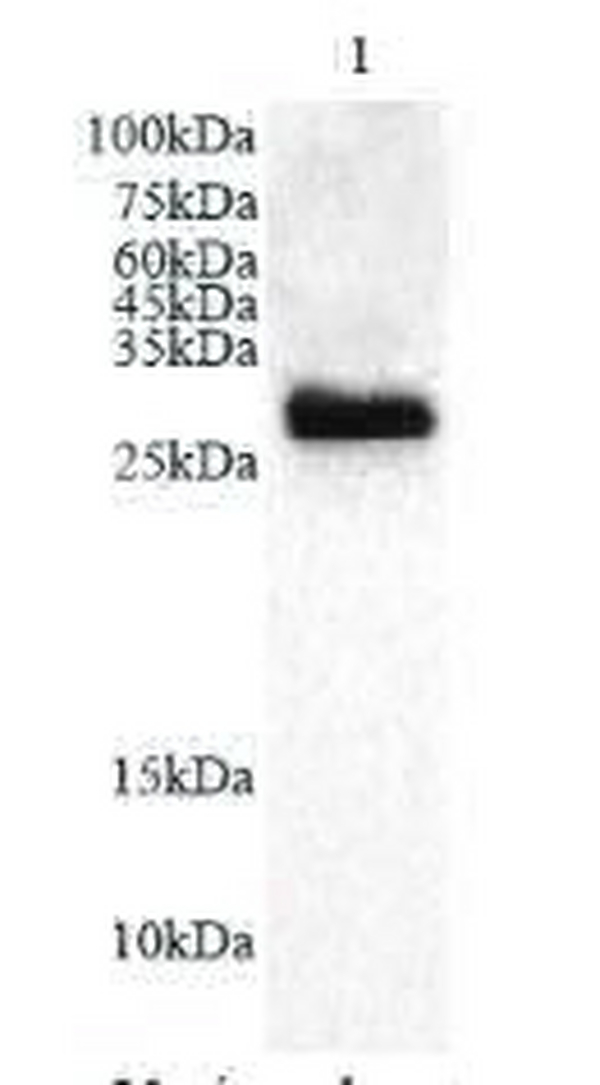
Anti NGF polyclonal antibody
Anti NGF polyclonal antibodyBeta nerve growth factor (NGF) is critical for the survival and maintenance of sympathetic and sensory neurons and may play an important role in the regulation of the immune system (PMID 16842161). The presence of beta NGF in immune cells, endocrine cells, and the CNS limbic areas suggests that beta NGF may function as an intracellular messenger to regulate the body’s response to stress (PMID 19442684). Xeno-free Recombinant Human beta NGF is expressed in human 293 cells as a non-disulfide bonded homodimeric protein with an apparent molecular mass of 13 kDa. This product is produced in a human cell expression system with serum-free, chemically defined media.
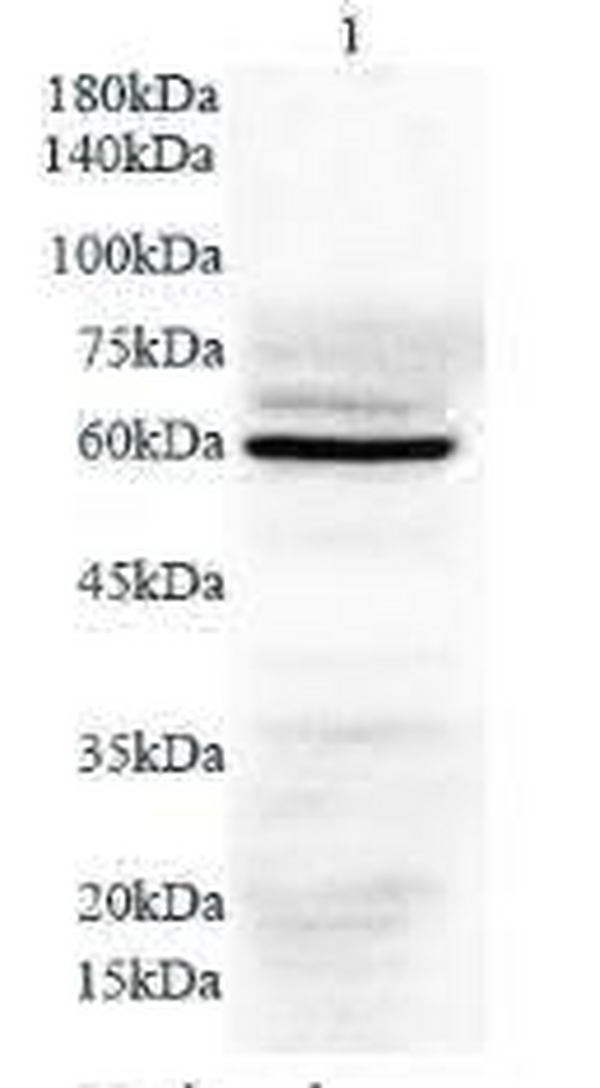
Anti NEU4 polyclonal antibody
Anti NEU4 polyclonal antibodyNEU4, also named as LP5125, belongs to a family of glycohydrolytic enzymes, which remove terminal sialic acid residues from various sialo derivatives, such as glycoproteins, glycolipids, oligosaccharides, and gangliosides. It may function in lysosomal catabolism of sialylated glycoconjugates. NEU4 has a broad substrate specificity being active on glycoproteins, oligosaccharides and sialylated glycolipids.
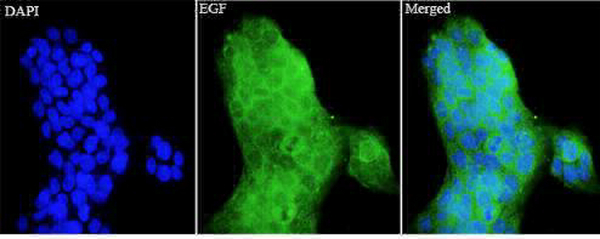
Anti EGF polyclonal antibody
Anti EGF polyclonal antibodyEpidermal growth factor (EGF) is a small 6 kD polypeptide and has six conserved cysteine residues that form three intramolecular disulfide bonds. Human EGF is synthesized as transmembrane precursor proteins (1207 amino acids), which are proteolytically cleaved to generate the 54 amino acid mature EGF.
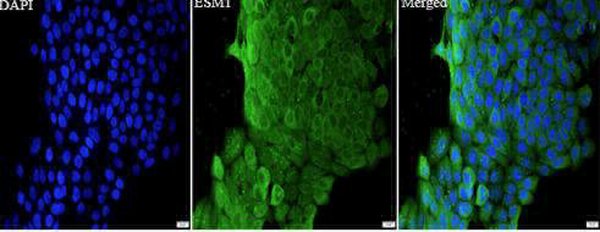
Anti mouse Esm1 polyclonal antibody
Anti mouse Esm1 polyclonal antibodyESM1 is a secreted dermatan sulfate proteoglycan which is predominantly expressed in the endothelial cells in human lung and kidney tissues. Expression of ESM1 is regulated by cytokines. ESM1 may have a role in lung endothelial cell-leukocyte interactions. The transcript contains multiple polyadenylation and mRNA instability signals. Two transcript variants encoding different isoforms have been found for this gene.
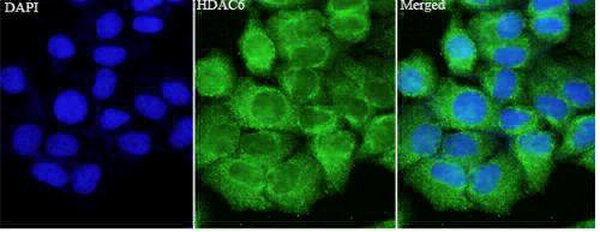
Anti HDAC6 polyclonal antibody
Anti HDAC6 polyclonal antibodyHistone deacetylases(HDAC) are a class of enzymes that remove the acetyl groups from the lysine residues leading to the formation of a condensed and transcriptionally silenced chromatin. At least 4 classes of HDAC were identified. HDAC6 is a member of the class II mammalian histone deacetylases. It possesses two separate putative catalytic domains. Both catalytic domains are fully functional HDACs and contribute independently to the overall activity of HDAC6 protein. A very potent NES is present at the amino-terminus of HDAC6, which was found to play an important role in regulating the shuttling of HDAC6 protein between cytoplasm and nucleus. The shuttling process may be a critical regulatory mechanism of HDAC6 function. The expression of HDAC6 is tightly linked to the state of cell differentiation. HDAC6 may participate in coordinating expression of a group of genes involved in the remodelling of chromatin during cell differentiation. HDAC6 has some splic
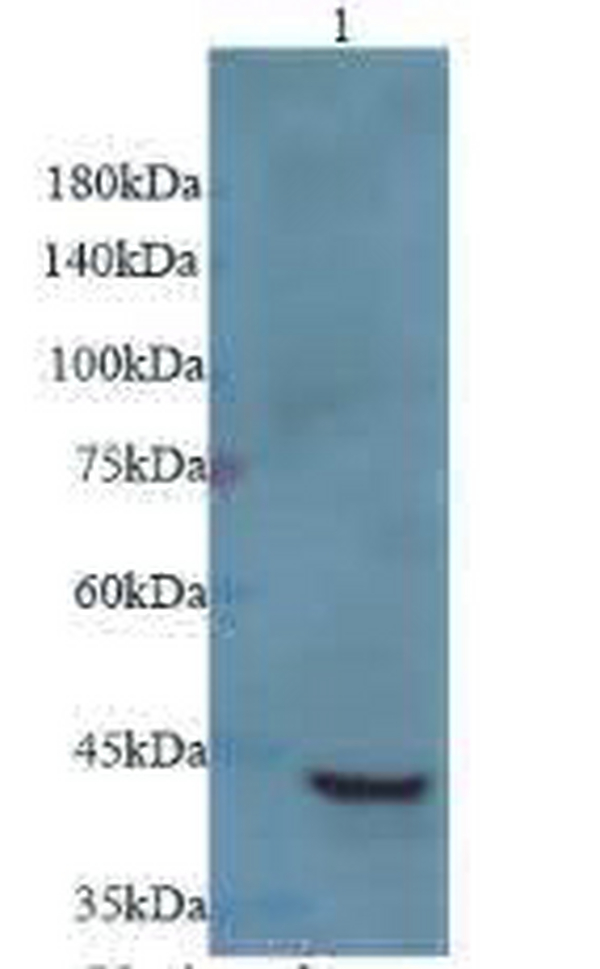
Anti RRM2B polyclonal antibody
Anti RRM2B polyclonal antibodyThis gene encodes the small subunit of a p53-inducible ribonucleotide reductase. This heterotetrameric enzyme catalyzes the conversion of ribonucleoside diphosphates to deoxyribonucleoside diphosphates. The product of this reaction is necessary for DNA synthesis. Mutations in this gene have been associated with autosomal recessive mitochondrial DNA depletion syndrome, autosomal dominant progressive external ophthalmoplegia-5, and mitochondrial neurogastrointestinal encephalopathy. Alternatively spliced transcript variants have been described.[provided by RefSeq, Feb 2010].
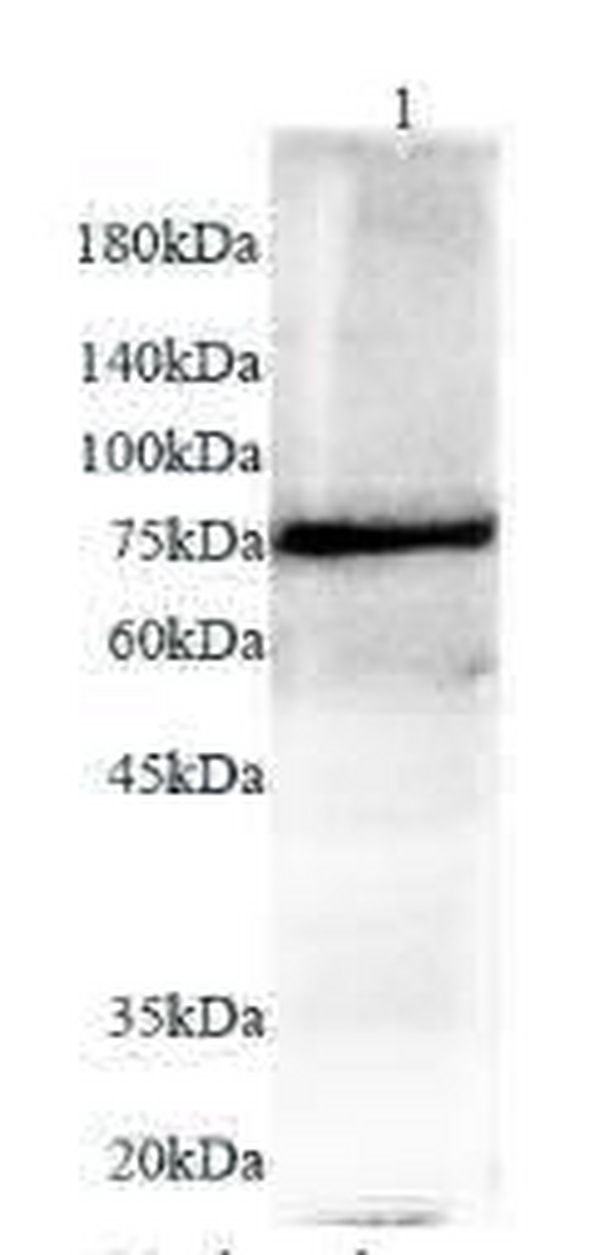
Anti MX1 polyclonal antibody
Anti MX1 polyclonal antibodyMx1 (also known as MxA) is a GTPase that belongs to the Mx family of proteins, which are ubiquitous in eukaryotes and involved in the immune response to viral infections. The human Mx1 is localized in the cytoplasm interfering with the translation of viral proteins, whereas the mouse Mx1 accumulates in the nucleus and inhibits the primary transcription of viral RNA. Mx1 expression is induced by treatment with α/β interferon (INF). This antibody can recognize the endogenous Mx1 protein in several tissues like lung and spleen.
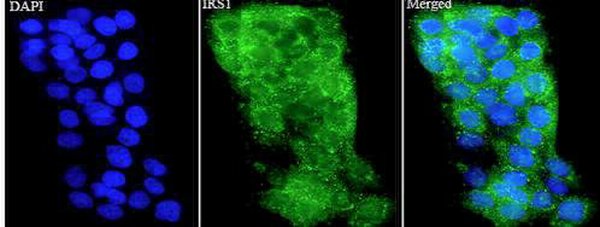
Anti IRS1 polyclonal antibody
Anti IRS1 polyclonal antibodyInsulin receptor substrate 1 (IRS1) was the first cloned and characterized member of the IRS family which are involved in insulin receptor (IR) and insulin-like growth factor I receptor (IGF-IR) signaling. IRS1 is phosphorylated by insulin receptor tyrosine kinase and is involved in various cellular processes including DNA repair fidelity, transcriptional activity, and cell growth can support tumor development and progression. Mutations in this gene are associated with type II diabetes and susceptibility to insulin resistance. IRS1 has a predicted molecular weight of 132 kDa, however, as a result of its extensive serine phosphorylation it separates on a SDS gel as a band of approximately 160-185 kDa.
最新动态
-
Anti-GNGT1 KL20092-001(50ul)
2021-10-11 -
Anti-GNGT1 antibody(50ul) KL20093-001
2021-10-11 -

骨组织快速脱钙液Ⅰ
2021-09-07 -
外泌体(exosomes)染色试剂盒
2021-09-07 -
外泌体(exosomes)吸附抑制剂
2021-09-07
热门标签
- Histone H3 rabbit Polyclonal Antibody Histone H3抗体
- EGFR rabbit Polyclonal Antibody EGFR抗体
- Cy3 Conjugated
- AbFluor™ 555 Conjugated
- AbFluor™ 680 Conjugated
- AbFluor™ 350 Conjugated
- AbFluor™ 647 Conjugated
- AbFluor™ 594 Conjugated
- AbFluor™ 405 Conjugated
- Cy5 Conjugated
- AbFluor™ 488 Conjugated
- Cyclophilin B抗体 Cyclophilin B Monoclonal Antibody(2B10)
- COX IV抗体 COX IV Monoclonal Antibody(6C8)
- PCNA抗体 PCNA Monoclonal Antibody(12D10)
- FAK rabbit Polyclonal Antibody FAK抗体
邮箱:3002763590@qq.com
电话:021-61998208

扫码关注微信公众号