QQ:3002763590


客服电话:021-61998208
我们是专业的科研试剂供应服务商
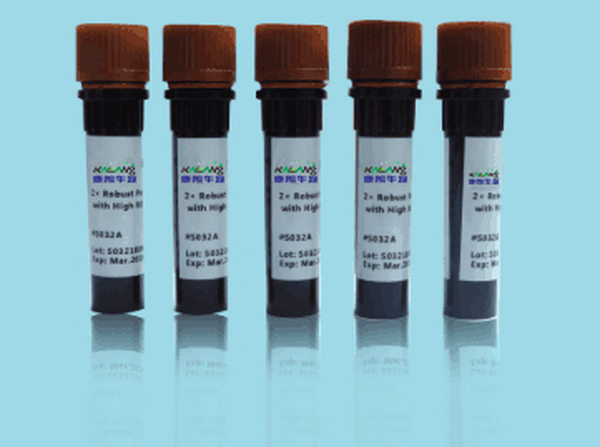
PLAP rabbit Polyclonal Antibody
PLAP抗体应用:WB 1:500-2000 ELISA 1:5000-20000function:Plays an important role in the regulation of specific inflammatory disease processes.,sequence caution:Translated as Gln.,similarity:Belongs to the WD repeat PLAP family.,similarity:Contains 1 PFU domain.,similarity:Contains 1 PUL domain.,similarity:Contains 7 WD repeats.,
PLCA rabbit Polyclonal Antibody
PLCA抗体应用:WB 1:500-2000 ELISA 1:5000-200001-acylglycerol-3-phosphate O-acyltransferase 1(AGPAT1) Homo sapiens This gene encodes an enzyme that converts lysophosphatidic acid (LPA) into phosphatidic acid (PA). LPA and PA are two phospholipids involved in signal transduction and in lipid biosynthesis in cells. This enzyme localizes to the endoplasmic reticulum. This gene is located in the class III region of the human major histocompatibility complex. Alternative splicing results in two transcript variants encoding the same protein. [provided by RefSeq, Jul 2008],
PLCB1 rabbit Polyclonal Antibody
PLCB1抗体应用:WB 1:500-2000 ELISA 1:5000-20000phospholipase C beta 1(PLCB1) Homo sapiens The protein encoded by this gene catalyzes the formation of inositol 1,4,5-trisphosphate and diacylglycerol from phosphatidylinositol 4,5-bisphosphate. This reaction uses calcium as a cofactor and plays an important role in the intracellular transduction of many extracellular signals. This gene is activated by two G-protein alpha subunits, alpha-q and alpha-11. Two transcript variants encoding different isoforms have been found for this gene. [provided by RefSeq, Jul 2008],
PLCB4 rabbit Polyclonal Antibody
PLCB4抗体应用:WB 1:500-2000 ELISA 1:5000-20000phospholipase C beta 4(PLCB4) Homo sapiens The protein encoded by this gene catalyzes the formation of inositol 1,4,5-trisphosphate and diacylglycerol from phosphatidylinositol 4,5-bisphosphate. This reaction uses calcium as a cofactor and plays an important role in the intracellular transduction of many extracellular signals in the retina. Multiple transcript variants encoding different isoforms have been found for this gene. [provided by RefSeq, Feb 2010],
PLCD1 rabbit Polyclonal Antibody
PLCD1抗体应用:WB 1:500-2000 ELISA 1:5000-20000phospholipase C delta 1(PLCD1) Homo sapiens This gene encodes a member of the phospholipase C family. Phospholipase C isozymes play critical roles in intracellular signal transduction by catalyzing the hydrolysis of phosphatidylinositol 4,5-bisphosphate (PIP2) into the second messengers diacylglycerol (DAG) and inositol triphosphate (IP3). The encoded protein functions as a tumor suppressor in several types of cancer, and mutations in this gene are a cause of hereditary leukonychia. Alternatively spliced transcript variants encoding multiple isoforms have been observed for this gene. [provided by RefSeq, Dec 2011],
PLCD4 rabbit Polyclonal Antibody
PLCD4 抗体应用:WB 1:500-2000This gene encodes a member of the delta class of phospholipase C enzymes. Phospholipase C enzymes play a critical role in many cellular processes by hydrolyzing phosphatidylinositol 4,5-bisphosphate into two intracellular second messengers, inositol 1,4,5-trisphosphate and diacylglycerol. Expression of this gene may be a marker for cancer. [provided by RefSeq, Jan 2011],
PLCE1 rabbit Polyclonal Antibody
PLCE1抗体应用:IHC-p 1:50-300phospholipase C epsilon 1(PLCE1) Homo sapiens This gene encodes a phospholipase enzyme that catalyzes the hydrolysis of phosphatidylinositol-4,5-bisphosphate to generate two second messengers: inositol 1,4,5-triphosphate (IP3) and diacylglycerol (DAG). These second messengers subsequently regulate various processes affecting cell growth, differentiation, and gene expression. This enzyme is regulated by small monomeric GTPases of the Ras and Rho families and by heterotrimeric G proteins. In addition to its phospholipase C catalytic activity, this enzyme has an N-terminal domain with guanine nucleotide exchange (GEF) activity. Mutations in this gene cause early-onset nephrotic syndrome; characterized by proteinuria, edema, and diffuse mesangial sclerosis or focal and segmental glomerulosclerosis. Alternative splicing results in multiple transcript variants encoding distinct isoforms.[provided by RefSeq, Sep 2009],
PLCH2 rabbit Polyclonal Antibody
PLCH2抗体应用:WB 1:500-2000 ELISA 1:5000-20000phospholipase C eta 2(PLCH2) Homo sapiens PLCH2 is a member of the PLC-eta family of the phosphoinositide-specific phospholipase C (PLC) superfamily of enzymes that cleave PtdIns(4,5) P2 to generate second messengers inositol 1,4,5-trisphosphate and diacylglycerol (Zhou et al., 2005 [PubMed 16107206]).[supplied by OMIM, Jun 2009],
PLEC rabbit Polyclonal Antibody
PLEC抗体应用:IHC-p 1:50-300plectin(PLEC) Homo sapiens Plectin is a prominent member of an important family of structurally and in part functionally related proteins, termed plakins or cytolinkers, that are capable of interlinking different elements of the cytoskeleton. Plakins, with their multi-domain structure and enormous size, not only play crucial roles in maintaining cell and tissue integrity and orchestrating dynamic changes in cytoarchitecture and cell shape, but also serve as scaffolding platforms for the assembly, positioning, and regulation of signaling complexes (reviewed in PMID: 9701547, 11854008, and 17499243). Plectin is expressed as several protein isoforms in a wide range of cell types and tissues from a single gene located on chromosome 8 in humans (PMID: 8633055, 8698233). Until 2010, this locus was named plectin 1 (symbol PLEC1 in human; Plec1 in mouse and rat) and the gene product had been referred to as "hemidesmosomal protein 1" or &qu
PLEK2 rabbit Polyclonal Antibody
PLEK2抗体应用:WB 1:500-2000 The protein encoded by this gene associates with membrane-bound phosphatidylinositols generated by phosphatidylinositol 3-kinase. The encoded protein then interacts with the actin cytoskeleton to induce cell spreading. In conjunction with complement component 1, q subcomponent, B chain (C1QB), this gene shows an increase in expression in melanoma cells and may serve as an accurate biomarker for the disease. [provided by RefSeq, Dec 2015],
最新动态
-
Anti-GNGT1 KL20092-001(50ul)
2021-10-11 -
Anti-GNGT1 antibody(50ul) KL20093-001
2021-10-11 -

骨组织快速脱钙液Ⅰ
2021-09-07 -
外泌体(exosomes)染色试剂盒
2021-09-07 -
外泌体(exosomes)吸附抑制剂
2021-09-07
热门标签
- Histone H3 rabbit Polyclonal Antibody Histone H3抗体
- EGFR rabbit Polyclonal Antibody EGFR抗体
- Cy3 Conjugated
- AbFluor™ 555 Conjugated
- AbFluor™ 680 Conjugated
- AbFluor™ 350 Conjugated
- AbFluor™ 647 Conjugated
- AbFluor™ 594 Conjugated
- AbFluor™ 405 Conjugated
- Cy5 Conjugated
- AbFluor™ 488 Conjugated
- Cyclophilin B抗体 Cyclophilin B Monoclonal Antibody(2B10)
- COX IV抗体 COX IV Monoclonal Antibody(6C8)
- PCNA抗体 PCNA Monoclonal Antibody(12D10)
- FAK rabbit Polyclonal Antibody FAK抗体
邮箱:3002763590@qq.com
电话:021-61998208

扫码关注微信公众号