QQ:3002763590


客服电话:021-61998208
我们是专业的科研试剂供应服务商
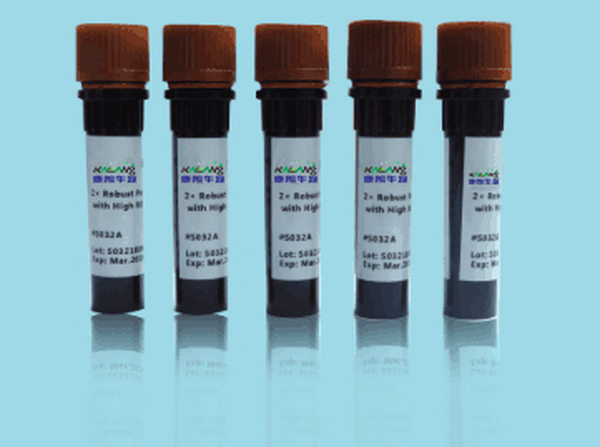
DRP2 rabbit Polyclonal Antibody
DRP2抗体应用:WB 1:500-2000 Members of the dystrophin family of proteins perform a critical role in the maintenance of membrane-associated complexes at points of intercellular contact in vertebrate cells. The protein encoded by this gene is predicted to resemble certain short C-terminal isoforms of dystrophin and dystrophin-related protein 1 (DRP1 or utrophin). DRP2 is expressed principally in the brain and spinal cord. Two transcript variants encoding different isoforms have been found for this gene. [provided by RefSeq, Jan 2010],
DSC1 rabbit Polyclonal Antibody
DSC1抗体应用:WB 1:500-2000 The protein encoded by this gene is a calcium-dependent glycoprotein that is a member of the desmocollin subfamily of the cadherin superfamily. These desmosomal family members, along with the desmogleins, are found primarily in epithelial cells where they constitute the adhesive proteins of the desmosome cell-cell junction and are required for cell adhesion and desmosome formation. A subtype of IgA pemphigus, a life-threatening autoimmune disease, is characterized by the presence of autoantibodies that target the encoded protein. The desmosomal family members are arranged in two clusters on chromosome 18. Alternative splicing of this gene results in multiple transcript variants. At least one of these variants encodes a preproprotein that is proteolytically processed to generate the mature protein. [provided by RefSeq, Nov 2015],
DSC2 rabbit Polyclonal Antibody
DSC2抗体应用:WB 1:500-2000 ELISA 1:5000-20000desmocollin 2(DSC2) Homo sapiens This gene encodes a member of the desmocollin protein subfamily. Desmocollins, along with desmogleins, are cadherin-like transmembrane glycoproteins that are major components of the desmosome. Desmosomes are cell-cell junctions that help resist shearing forces and are found in high concentrations in cells subject to mechanical stress. This gene is found in a cluster with other desmocollin family members on chromosome 18. Mutations in this gene are associated with arrhythmogenic right ventricular dysplasia-11, and reduced protein expression has been described in several types of cancer. Alternative splicing results in multiple transcript variants. [provided by RefSeq, Feb 2015],
DSC3 rabbit Polyclonal Antibody
DSC3抗体应用:WB 1:500-2000 ELISA 1:5000-20000desmocollin 3(DSC3) Homo sapiens The protein encoded by this gene is a calcium-dependent glycoprotein that is a member of the desmocollin subfamily of the cadherin superfamily. These desmosomal family members, along with the desmogleins, are found primarily in epithelial cells where they constitute the adhesive proteins of the desmosome cell-cell junction and are required for cell adhesion and desmosome formation. The desmosomal family members are arranged in two clusters on chromosome 18, occupying less than 650 kb combined. Mutations in this gene are a cause of hypotrichosis and recurrent skin vesicles disorder. The protein can act as an autoantigen in pemphigus diseases, and it is also considered to be a biomarker for some cancers. Alternative splicing of this gene results in multiple transcript variants. [provided by RefSeq, Apr 2014],
DSCL1 rabbit Polyclonal Antibody
DSCL1抗体应用:WB 1:500-2000 ELISA 1:5000-20000DS cell adhesion molecule like 1(DSCAML1) Homo sapiens The protein encoded by this gene is a member of the Ig superfamily of cell adhesion molecules and is involved in neuronal differentiation. The encoded membrane-bound protein localizes to the cell surface, where it forms aggregates that repel neuronal processes of the same cell type. [provided by RefSeq, Sep 2016],
DSCR3 rabbit Polyclonal Antibody
DSCR3抗体应用:WB 1:500-2000 The region of chromosome 21 between genes CBR and ERG (CBR-ERG region), which spans 2.5 Mb on 21q22.2, has been defined by analysis of patients with partial trisomy 21. It contributes significantly to the pathogenesis of many characteristics of Down syndrome, including morphological features, hypotonia, and mental retardation. The DSCR3 (Down syndrome critical region gene 3) gene is found in this region and is predictated to contain eight exons. DSCR3 is expressed in most tissues examined. [provided by RefSeq, Jul 2008],
DSE rabbit Polyclonal Antibody
DSE抗体应用:WB 1:500-2000 The protein encoded by this gene is a tumor-rejection antigen. It is localized to the endoplasmic reticulum and functions to convert D-glucuronic acid to L-iduronic acid during the biosynthesis of dermatan sulfate. This antigen possesses tumor epitopes capable of inducing HLA-A24-restricted and tumor-specific cytotoxic T lymphocytes in cancer patients and may be useful for specific immunotherapy. Mutations in this gene cause inmusculocontractural Ehlers-Danlos syndrome. Alternative splicing results in multiple transcript variants. A related pseudogene has been identified on chromosome 9, and a paralogous gene exists on chromosome 18. [provided by RefSeq, Apr 2016],
DSG3 rabbit Polyclonal Antibody
DSG3抗体应用:WB 1:500-2000 ELISA 1:5000-20000desmoglein 3(DSG3) Homo sapiens This gene encodes a member of the desmoglein family and cadherin cell adhesion molecule superfamily of proteins. Desmogleins are calcium-binding transmembrane glycoprotein components of desmosomes, cell-cell junctions between epithelial, myocardial, and other cell types. The encoded preproprotein is proteolytically processed to generate the mature glycoprotein. This gene is present in a gene cluster with other desmoglein gene family members on chromosome 18. The encoded protein has been identified as the autoantigen of the autoimmune blistering disease pemphigus vulgaris. [provided by RefSeq, Jan 2016],
最新动态
-
Anti-GNGT1 KL20092-001(50ul)
2021-10-11 -
Anti-GNGT1 antibody(50ul) KL20093-001
2021-10-11 -
α-tubulin mouse Monoclonal Antibody
2021-01-08 -
α-tubulin mouse Monoclonal Antibody(8F11)
2021-01-08
热门标签
- Histone H3 rabbit Polyclonal Antibody Histone H3抗体
- EGFR rabbit Polyclonal Antibody EGFR抗体
- Cy3 Conjugated
- AbFluor™ 555 Conjugated
- AbFluor™ 680 Conjugated
- AbFluor™ 350 Conjugated
- AbFluor™ 647 Conjugated
- AbFluor™ 594 Conjugated
- AbFluor™ 405 Conjugated
- Cy5 Conjugated
- AbFluor™ 488 Conjugated
- Cyclophilin B抗体 Cyclophilin B Monoclonal Antibody(2B10)
- COX IV抗体 COX IV Monoclonal Antibody(6C8)
- PCNA抗体 PCNA Monoclonal Antibody(12D10)
- FAK rabbit Polyclonal Antibody FAK抗体
邮箱:3002763590@qq.com
电话:021-61998208

扫码关注微信公众号