QQ:3002763590


客服电话:021-61998208
我们是专业的科研试剂供应服务商
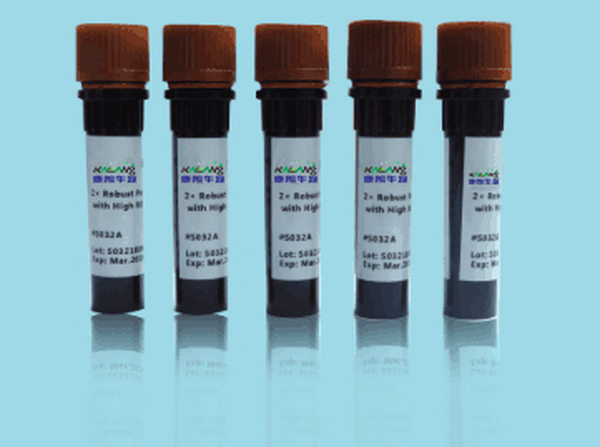
PIF1 rabbit Polyclonal Antibody
PIF1抗体应用:WB 1:500-2000 ELISA 1:5000-20000PIF1 5'-to-3' DNA helicase(PIF1) Homo sapiens This gene encodes a DNA-dependent adenosine triphosphate (ATP)-metabolizing enzyme that functions as a 5' to 3' DNA helicase. The encoded protein can resolve G-quadruplex structures and RNA-DNA hybrids at the ends of chromosomes. It also prevents telomere elongation by inhibiting the actions of telomerase. Alternative splicing and the use of alternative start codons results in multiple isoforms that are differentially localized to either the mitochondria or the nucleus. [provided by RefSeq, Nov 2013],
PIGA rabbit Polyclonal Antibody
PIGA抗体应用:WB 1:500-2000 ELISA 1:5000-20000phosphatidylinositol glycan anchor biosynthesis class A(PIGA) Homo sapiens This gene encodes a protein required for synthesis of N-acetylglucosaminyl phosphatidylinositol (GlcNAc-PI), the first intermediate in the biosynthetic pathway of GPI anchor. The GPI anchor is a glycolipid found on many blood cells and which serves to anchor proteins to the cell surface. Paroxysmal nocturnal hemoglobinuria, an acquired hematologic disorder, has been shown to result from mutations in this gene. Alternate splice variants have been characterized. A related pseudogene is located on chromosome 12. [provided by RefSeq, Jun 2010],
PIGC rabbit Polyclonal Antibody
PIGC抗体应用:WB 1:500-2000 ELISA 1:5000-20000phosphatidylinositol glycan anchor biosynthesis class C(PIGC) Homo sapiens This gene encodes an endoplasmic reticulum associated protein that is involved in glycosylphosphatidylinositol (GPI) lipid anchor biosynthesis. The GPI lipid anchor is a glycolipid found on many blood cells and serves to anchor proteins to the cell surface. The encoded protein is one subunit of the GPI N-acetylglucosaminyl (GlcNAc) transferase that transfers GlcNAc to phosphatidylinositol (PI) on the cytoplasmic side of the endoplasmic reticulum. Two alternatively spliced transcripts that encode the same protein have been found for this gene. A pseudogene on chromosome 11 has also been characterized. [provided by RefSeq, Jul 2008],
PIGP rabbit Polyclonal Antibody
PIGP抗体应用:WB 1:500-2000 ELISA 1:5000-20000phosphatidylinositol glycan anchor biosynthesis class P(PIGP) Homo sapiens This gene encodes an enzyme involved in the first step of glycosylphosphatidylinositol (GPI)-anchor biosynthesis. The GPI-anchor is a glycolipid found on many blood cells that serves to anchor proteins to the cell surface. The encoded protein is a component of the GPI-N-acetylglucosaminyltransferase complex that catalyzes the transfer of N-acetylglucosamine (GlcNAc) from UDP-GlcNAc to phosphatidylinositol (PI). This gene is located in the Down Syndrome critical region on chromosome 21 and is a candidate for the pathogenesis of Down syndrome. This gene has multiple pseudogenes and is a member of the phosphatidylinositol glycan anchor biosynthesis gene family. Alternatively spliced transcript variants encoding different isoforms have been described. [provided by RefSeq, Feb 2016],
PIGQ rabbit Polyclonal Antibody
PIGQ抗体应用:WB 1:500-2000 ELISA 1:5000-20000phosphatidylinositol glycan anchor biosynthesis class Q(PIGQ) Homo sapiens This gene is involved in the first step in glycosylphosphatidylinositol (GPI)-anchor biosynthesis. The GPI-anchor is a glycolipid found on many blood cells and serves to anchor proteins to the cell surface. This gene encodes a N-acetylglucosaminyl transferase component that is part of the complex that catalyzes transfer of N-acetylglucosamine (GlcNAc) from UDP-GlcNAc to phosphatidylinositol (PI). Alternatively spliced transcript variants encoding different isoforms have been found for this gene. [provided by RefSeq, Jun 2012],
PIGR rabbit Polyclonal Antibody
PIGR抗体应用:WB 1:500-2000 ELISA 1:5000-20000polymeric immunoglobulin receptor(PIGR) Homo sapiens This gene is a member of the immunoglobulin superfamily. The encoded poly-Ig receptor binds polymeric immunoglobulin molecules at the basolateral surface of epithelial cells; the complex is then transported across the cell to be secreted at the apical surface. A significant association was found between immunoglobulin A nephropathy and several SNPs in this gene.[provided by RefSeq, Sep 2009],
PIGU rabbit Polyclonal Antibody
PIGU抗体应用:WB 1:500-2000The protein encoded by this gene shares similarity with Saccharomyces cerevisiae Cdc91, a predicted integral membrane protein that may function in cell division control. The protein encoded by this gene is the fifth subunit of GPI transamidase that attaches GPI-anchors to proteins. [provided by RefSeq, Jul 2008],
PIGW rabbit Polyclonal Antibody
PIGW抗体应用:WB 1:500-2000 ELISA 1:5000-20000phosphatidylinositol glycan anchor biosynthesis class W(PIGW) Homo sapiens Glycosylphosphatidylinositol (GPI) is a complex glycolipid that anchors many proteins to the cell surface. PIGW acts in the third step of GPI biosynthesis and acylates the inositol ring of phosphatidylinositol (Murakami et al., 2003 [PubMed 14517336]).[supplied by OMIM, Mar 2008],
PILRB rabbit Polyclonal Antibody
PILRB抗体应用:WB 1:500-2000 ELISA 1:5000-20000paired immunoglobin-like type 2 receptor beta(PILRB) Homo sapiens The paired immunoglobin-like type 2 receptors consist of highly related activating and inhibitory receptors that are involved in the regulation of many aspects of the immune system. The paired immunoglobulin-like receptor genes are located in a tandem head-to-tail orientation on chromosome 7. This gene encodes the activating member of the receptor pair and contains a truncated cytoplasmic tail relative to its inhibitory counterpart (PILRA), that has a long cytoplasmic tail with immunoreceptor tyrosine-based inhibitory (ITIM) motifs. This gene is thought to have arisen from a duplication of the inhibitory PILRA gene and evolved to acquire its activating function. [provided by RefSeq, Jun 2013],
PINK1 rabbit Polyclonal Antibody
PINK1抗体应用:WB 1:500-2000 ELISA 1:5000-20000PTEN induced putative kinase 1(PINK1) Homo sapiens This gene encodes a serine/threonine protein kinase that localizes to mitochondria. It is thought to protect cells from stress-induced mitochondrial dysfunction. Mutations in this gene cause one form of autosomal recessive early-onset Parkinson disease. [provided by RefSeq, Jul 2008],
最新动态
-
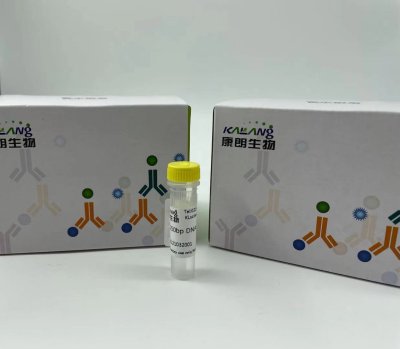
Anti-GNGT1 KL20092-001(50ul)
2021-10-11 -
Anti-GNGT1 antibody(50ul) KL20093-001
2021-10-11 -
α-tubulin mouse Monoclonal Antibody
2021-01-08 -
α-tubulin mouse Monoclonal Antibody(8F11)
2021-01-08
热门标签
- Histone H3 rabbit Polyclonal Antibody Histone H3抗体
- EGFR rabbit Polyclonal Antibody EGFR抗体
- Cy3 Conjugated
- AbFluor™ 555 Conjugated
- AbFluor™ 680 Conjugated
- AbFluor™ 350 Conjugated
- AbFluor™ 647 Conjugated
- AbFluor™ 594 Conjugated
- AbFluor™ 405 Conjugated
- Cy5 Conjugated
- AbFluor™ 488 Conjugated
- Cyclophilin B抗体 Cyclophilin B Monoclonal Antibody(2B10)
- COX IV抗体 COX IV Monoclonal Antibody(6C8)
- PCNA抗体 PCNA Monoclonal Antibody(12D10)
- FAK rabbit Polyclonal Antibody FAK抗体
邮箱:3002763590@qq.com
电话:021-61998208

扫码关注微信公众号