QQ:3002763590


客服电话:021-61998208
我们是专业的科研试剂供应服务商
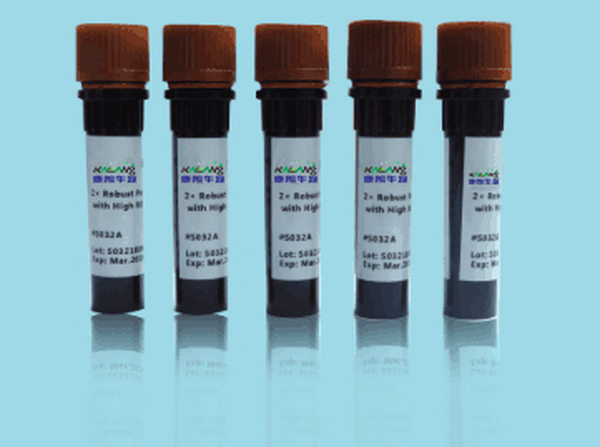
PGCB rabbit Polyclonal Antibody
PGCB抗体应用:WB 1:500-2000 ELISA 1:5000-20000brevican(BCAN) Homo sapiens This gene encodes a member of the lectican family of chondroitin sulfate proteoglycans that is specifically expressed in the central nervous system. This protein is developmentally regulated and may function in the formation of the brain extracellular matrix. This protein is highly expressed in gliomas and may promote the growth and cell motility of brain tumor cells. Alternate splicing results in multiple transcript variants. [provided by RefSeq, Sep 2011],
PGDH rabbit Polyclonal Antibody
PGDH抗体应用:WB 1:500-2000 This gene encodes a member of the short-chain nonmetalloenzyme alcohol dehydrogenase protein family. The encoded enzyme is responsible for the metabolism of prostaglandins, which function in a variety of physiologic and cellular processes such as inflammation. Mutations in this gene result in primary autosomal recessive hypertrophic osteoarthropathy and cranioosteoarthropathy. Multiple transcript variants encoding different isoforms have been found for this gene. [provided by RefSeq, Mar 2009],
PGFRL rabbit Polyclonal Antibody
PGFRL抗体应用:WB 1:500-2000 ELISA 1:5000-20000platelet derived growth factor receptor like(PDGFRL) Homo sapiens This gene encodes a protein with significant sequence similarity to the ligand binding domain of platelet-derived growth factor receptor beta. Mutations in this gene, or deletion of a chromosomal segment containing this gene, are associated with sporadic hepatocellular carcinomas, colorectal cancers, and non-small cell lung cancers. This suggests this gene product may function as a tumor suppressor. [provided by RefSeq, Jul 2008],
PGK2 rabbit Polyclonal Antibody
PGK2抗体应用:WB 1:500-2000 ELISA 1:5000-20000phosphoglycerate kinase 2(PGK2) Homo sapiens This gene is intronless, arose via retrotransposition of the phosphoglycerate kinase 1 gene, and is expressed specifically in the testis. Initially assumed to be a pseudogene, the encoded protein is actually a functional phosphoglycerate kinase that catalyzes the reversible conversion of 1,3-bisphosphoglycerate to 3-phosphoglycerate, during the Embden-Meyerhof-Parnas pathway of glycolysis, in the later stages of spermatogenesis.[provided by RefSeq, May 2010],
PGM1 rabbit Polyclonal Antibody
PGM1抗体应用:WB 1:500-2000The protein encoded by this gene is an isozyme of phosphoglucomutase (PGM) and belongs to the phosphohexose mutase family. There are several PGM isozymes, which are encoded by different genes and catalyze the transfer of phosphate between the 1 and 6 positions of glucose. In most cell types, this PGM isozyme is predominant, representing about 90% of total PGM activity. In red cells, PGM2 is a major isozyme. This gene is highly polymorphic. Mutations in this gene cause glycogen storage disease type 14. Alternativley spliced transcript variants encoding different isoforms have been identified in this gene.[provided by RefSeq, Mar 2010],
PGM5 rabbit Polyclonal Antibody
PGM5抗体应用:WB 1:500-2000Phosphoglucomutases (EC 5.2.2.2.), such as PGM5, are phosphotransferases involved in interconversion of glucose-1-phosphate and glucose-6-phosphate. PGM activity is essential in formation of carbohydrates from glucose-6-phosphate and in formation of glucose-6-phosphate from galactose and glycogen (Edwards et al., 1995 [PubMed 8586438]).[supplied by OMIM, Mar 2008],
PGRC1 rabbit Polyclonal Antibody
PGRC1抗体应用:WB 1:500-2000 ELISA 1:5000-20000progesterone receptor membrane component 1(PGRMC1) Homo sapiens This gene encodes a putative membrane-associated progesterone steroid receptor. The protein is expressed predominantly in the liver and kidney. [provided by RefSeq, Mar 2010],
PGRP3 rabbit Polyclonal Antibody
PGRP3抗体应用:WB 1:500-2000 ELISA 1:5000-20000peptidoglycan recognition protein 3(PGLYRP3) Homo sapiens This gene encodes a peptidoglycan recognition protein, which belongs to the N-acetylmuramoyl-L-alanine amidase 2 family. These proteins are part of the innate immune system and recognize peptidoglycan, a ubiquitous component of bacterial cell walls. This antimicrobial protein binds to murein peptidoglycans of Gram-positive bacteria. [provided by RefSeq, Oct 2014],
PGRP4 rabbit Polyclonal Antibody
PGRP4抗体应用:WB 1:500-2000 ELISA 1:5000-20000peptidoglycan recognition protein 4(PGLYRP4) Homo sapiens Summary: This gene encodes a peptidoglycan recognition protein, which belongs to the N-acetylmuramoyl-L-alanine amidase 2 family. These proteins are part of the innate immune system and recognize peptidoglycan, a ubiquitous component of bacterial cell walls. This antimicrobial protein binds to murein peptidoglycans of Gram-positive bacteria. [provided by RefSeq, Oct 2014],
PGS1 rabbit Polyclonal Antibody
PGS1抗体应用:WB 1:500-2000 ELISA 1:5000-20000biglycan(BGN) Homo sapiens This gene encodes a member of the small leucine-rich proteoglycan (SLRP) family of proteins. The encoded preproprotein is proteolytically processed to generate the mature protein, which plays a role in bone growth, muscle development and regeneration, and collagen fibril assembly in multiple tissues. This protein may also regulate inflammation and innate immunity. Additionally, the encoded protein may contribute to atherosclerosis and aortic valve stenosis in human patients. This gene and the related gene decorin are thought to be the result of a gene duplication. [provided by RefSeq, Nov 2015],
最新动态
-
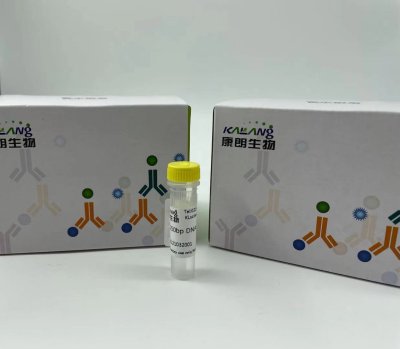
Anti-GNGT1 KL20092-001(50ul)
2021-10-11 -
Anti-GNGT1 antibody(50ul) KL20093-001
2021-10-11 -
α-tubulin mouse Monoclonal Antibody
2021-01-08 -
α-tubulin mouse Monoclonal Antibody(8F11)
2021-01-08
热门标签
- Histone H3 rabbit Polyclonal Antibody Histone H3抗体
- EGFR rabbit Polyclonal Antibody EGFR抗体
- Cy3 Conjugated
- AbFluor™ 555 Conjugated
- AbFluor™ 680 Conjugated
- AbFluor™ 350 Conjugated
- AbFluor™ 647 Conjugated
- AbFluor™ 594 Conjugated
- AbFluor™ 405 Conjugated
- Cy5 Conjugated
- AbFluor™ 488 Conjugated
- Cyclophilin B抗体 Cyclophilin B Monoclonal Antibody(2B10)
- COX IV抗体 COX IV Monoclonal Antibody(6C8)
- PCNA抗体 PCNA Monoclonal Antibody(12D10)
- FAK rabbit Polyclonal Antibody FAK抗体
邮箱:3002763590@qq.com
电话:021-61998208

扫码关注微信公众号