QQ:3002763590


客服电话:021-61998208
我们是专业的科研试剂供应服务商
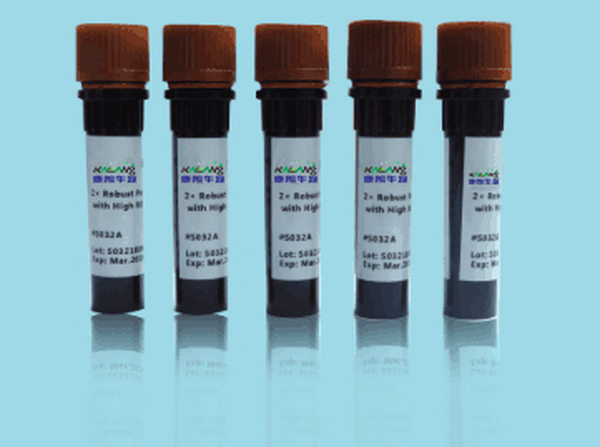
SCN3A rabbit Polyclonal Antibody
SCN3A抗体应用:WB 1:500-2000 ELISA 1:5000-20000sodium voltage-gated channel alpha subunit 3(SCN3A) Homo sapiens Voltage-gated sodium channels are transmembrane glycoprotein complexes composed of a large alpha subunit with 24 transmembrane domains and one or more regulatory beta subunits. They are responsible for the generation and propagation of action potentials in neurons and muscle. This gene encodes one member of the sodium channel alpha subunit gene family, and is found in a cluster of five alpha subunit genes on chromosome 2. Multiple transcript variants encoding different isoforms have been found for this gene. [provided by RefSeq, Jul 2008],
SCN8A rabbit Polyclonal Antibody
SCN8A抗体应用:WB 1:500-2000 ELISA 1:5000-20000sodium voltage-gated channel alpha subunit 8(SCN8A) Homo sapiens This gene encodes a member of the sodium channel alpha subunit gene family. The encoded protein forms the ion pore region of the voltage-gated sodium channel. This protein is essential for the rapid membrane depolarization that occurs during the formation of the action potential in excitable neurons. Mutations in this gene are associated with mental retardation, pancerebellar atrophy and ataxia. Alternate splicing results in multiple transcript variants.[provided by RefSeq, May 2010],
SCNAA rabbit Polyclonal Antibody
SCNAA抗体应用:WB 1:500-2000 ELISA 1:5000-20000sodium voltage-gated channel alpha subunit 10(SCN10A) Homo sapiens The protein encoded by this gene is a tetrodotoxin-resistant voltage-gated sodium channel alpha subunit. The properties of the channel formed by the encoded transmembrane protein can be altered by interaction with different beta subunits. This protein may be involved in the onset of pain associated with peripheral neuropathy. Alternative splicing results in multiple transcript variants. [provided by RefSeq, Jun 2014],
SCNBA rabbit Polyclonal Antibody
SCNBA抗体应用:WB 1:500-2000 ELISA 1:5000-20000sodium voltage-gated channel alpha subunit 11(SCN11A) Homo sapiens Voltage-gated sodium channels are membrane protein complexes that play a fundamental role in the rising phase of the action potential in most excitable cells. Alpha subunits, such as SCN11A, mediate voltage-dependent gating and conductance, while auxiliary beta subunits regulate the kinetic properties of the channel and facilitate membrane localization of the complex. Aberrant expression patterns or mutations of alpha subunits underlie a number of disorders. Each alpha subunit consists of 4 domains connected by 3 intracellular loops; each domain consists of 6 transmembrane segments and intra- and extracellular linkers.[supplied by OMIM, Apr 2004],
SCNM1 rabbit Polyclonal Antibody
SCNM1抗体应用:WB 1:500-2000 ELISA 1:5000-20000sodium channel modifier 1(SCNM1) Homo sapiens SCNM1 is a zinc finger protein and putative splicing factor. In mice, Scnm1 modifies phenotypic expression of Scn8a (MIM 600702) mutations (Buchner et al., 2003 [PubMed 12920299]).[supplied by OMIM, Oct 2009],
SCNNA rabbit Polyclonal Antibody
SCNNA抗体应用:WB 1:500-2000 ELISA 1:5000-20000sodium channel epithelial 1 alpha subunit(SCNN1A) Homo sapiens Nonvoltage-gated, amiloride-sensitive, sodium channels control fluid and electrolyte transport across epithelia in many organs. These channels are heteromeric complexes consisting of 3 subunits: alpha, beta, and gamma. This gene encodes the alpha subunit, and mutations in this gene have been associated with pseudohypoaldosteronism type 1 (PHA1), a rare salt wasting disease resulting from target organ unresponsiveness to mineralocorticoids. Alternatively spliced transcript variants encoding different isoforms have been described for this gene. [provided by RefSeq, Apr 2009],
SCO1 rabbit Polyclonal Antibody
SCO1抗体应用:WB 1:500-2000 Mammalian cytochrome c oxidase (COX) catalyzes the transfer of reducing equivalents from cytochrome c to molecular oxygen and pumps protons across the inner mitochondrial membrane. In yeast, 2 related COX assembly genes, SCO1 and SCO2 (synthesis of cytochrome c oxidase), enable subunits 1 and 2 to be incorporated into the holoprotein. This gene is the human homolog to the yeast SCO1 gene. [provided by RefSeq, Jul 2008],
SCO2 rabbit Polyclonal Antibody
SCO2抗体应用:WB 1:500-2000 ELISA 1:5000-20000SCO2, cytochrome c oxidase assembly protein(SCO2) Homo sapiens Cytochrome c oxidase (COX) catalyzes the transfer of electrons from cytochrome c to molecular oxygen, which helps to maintain the proton gradient across the inner mitochondrial membrane that is necessary for aerobic ATP production. Human COX is a multimeric protein complex that requires several assembly factors; this gene encodes one of the COX assembly factors. The encoded protein is a metallochaperone that is involved in the biogenesis of cytochrome c oxidase subunit II. Mutations in this gene are associated with fatal infantile encephalocardiomyopathy and myopia 6. [provided by RefSeq, Oct 2014],
SCRB2 rabbit Polyclonal Antibody
SCRB2抗体应用:WB 1:500-2000 ELISA 1:5000-20000scavenger receptor class B member 2(SCARB2) Homo sapiens The protein encoded by this gene is a type III glycoprotein that is located primarily in limiting membranes of lysosomes and endosomes. Earlier studies in mice and rat suggested that this protein may participate in membrane transportation and the reorganization of endosomal/lysosomal compartment. The protein deficiency in mice was reported to impair cell membrane transport processes and cause pelvic junction obstruction, deafness, and peripheral neuropathy. Further studies in human showed that this protein is a ubiquitously expressed protein and that it is involved in the pathogenesis of HFMD (hand, foot, and mouth disease) caused by enterovirus-71 and possibly by coxsackievirus A16. Mutations in this gene caused an autosomal recessive progressive myoclonic epilepsy-4 (EPM4), also known as action myoclonus-renal failure syndrome (AMRF). Alternatively spliced transcript variants encod
最新动态
-
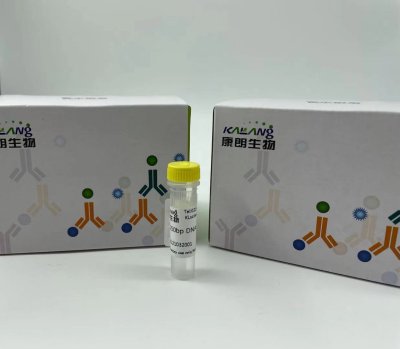
Anti-GNGT1 KL20092-001(50ul)
2021-10-11 -
Anti-GNGT1 antibody(50ul) KL20093-001
2021-10-11 -
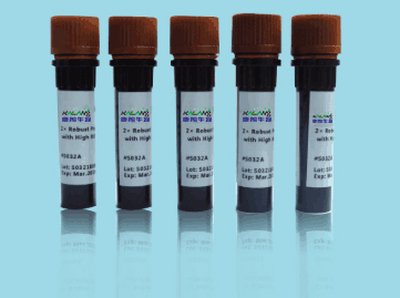
α-tubulin mouse Monoclonal Antibody
2021-01-08 -
α-tubulin mouse Monoclonal Antibody(8F11)
2021-01-08
热门标签
- Histone H3 rabbit Polyclonal Antibody Histone H3抗体
- EGFR rabbit Polyclonal Antibody EGFR抗体
- Cy3 Conjugated
- AbFluor™ 555 Conjugated
- AbFluor™ 680 Conjugated
- AbFluor™ 350 Conjugated
- AbFluor™ 647 Conjugated
- AbFluor™ 594 Conjugated
- AbFluor™ 405 Conjugated
- Cy5 Conjugated
- AbFluor™ 488 Conjugated
- Cyclophilin B抗体 Cyclophilin B Monoclonal Antibody(2B10)
- COX IV抗体 COX IV Monoclonal Antibody(6C8)
- PCNA抗体 PCNA Monoclonal Antibody(12D10)
- FAK rabbit Polyclonal Antibody FAK抗体
邮箱:3002763590@qq.com
电话:021-61998208

扫码关注微信公众号