QQ:3002763590


客服电话:021-61998208
我们是专业的科研试剂供应服务商
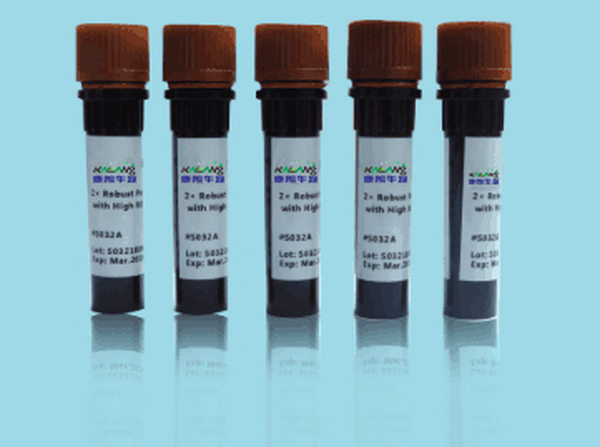
CD300e rabbit Polyclonal Antibody
CD300e抗体应用:IHC-p 1:50-200, ELISA 1:10000-20000 CD300e molecule(CD300E) Homo sapiens This gene encodes a member of the CD300 glycoprotein family of cell surface proteins expressed on myeloid cells. The protein interacts with the TYRO protein tyrosine kinase-binding protein and is thought to act as an activating receptor. [provided by RefSeq, Nov 2012],
CD300f rabbit Polyclonal Antibody
CD300f 抗体应用:Western Blot: 1/500 - 1/2000. IHC-p: 1/100-1/300. ELISA: 1/20000. CD300 molecule like family member f(CD300LF) Homo sapiens This gene encodes a member of the CD300 protein family. Members of this family are cell surface glycoproteins with a single IgV-like extracellular domain, and are involved in the regulation of immune response. The encoded protein is an inhibitory receptor. Alternative splicing results in multiple transcript variants. [provided by RefSeq, Jan 2014],
CD300f rabbit Polyclonal Antibody
CD300f抗体应用:Western Blot: 1/500 - 1/2000. ELISA: 1/40000. CD300 molecule like family member f(CD300LF) Homo sapiens This gene encodes a member of the CD300 protein family. Members of this family are cell surface glycoproteins with a single IgV-like extracellular domain, and are involved in the regulation of immune response. The encoded protein is an inhibitory receptor. Alternative splicing results in multiple transcript variants. [provided by RefSeq, Jan 2014],
CD300g rabbit Polyclonal Antibody
CD300g抗体应用:Western Blot: 1/500 - 1/2000. IHC-p: 1:100-300 ELISA: 1/20000. CD300 molecule like family member g(CD300LG) Homo sapiens Members of the CD300 (see MIM 606786)-like (CD300L) family, such as CD300LG, are widely expressed on hematopoietic cells. All CD300L proteins are type I cell surface glycoproteins that contain a single immunoglobulin (Ig) V-like domain (Takatsu et al., 2006 [PubMed 16876123]).[supplied by OMIM, Mar 2008],
CD303 rabbit Polyclonal Antibody
CD303抗体应用:IHC-p 1:50-200, ELISA 1:10000-20000 C-type lectin domain family 4 member C(CLEC4C) Homo sapiens This gene encodes a member of the C-type lectin/C-type lectin-like domain (CTL/CTLD) superfamily. Members of this family share a common protein fold and have diverse functions, such as cell adhesion, cell-cell signalling, glycoprotein turnover, and roles in inflammation and immune response. The encoded type 2 transmembrane protein may play a role in dendritic cell function. Two transcript variants encoding distinct isoforms have been identified for this gene. [provided by RefSeq, Jul 2008],
CD305 rabbit Polyclonal Antibody
CD305抗体应用:Western Blot: 1/500 - 1/2000. ELISA: 1/10000. leukocyte associated immunoglobulin like receptor 1(LAIR1) Homo sapiens The protein encoded by this gene is an inhibitory receptor found on peripheral mononuclear cells, including natural killer cells, T cells, and B cells. Inhibitory receptors regulate the immune response to prevent lysis of cells recognized as self. The gene is a member of both the immunoglobulin superfamily and the leukocyte-associated inhibitory receptor family. The gene maps to a region of 19q13.4 called the leukocyte receptor cluster, which contains at least 29 genes encoding leukocyte-expressed receptors of the immunoglobulin superfamily. The encoded protein has been identified as an anchor for tyrosine phosphatase SHP-1, and may induce cell death in myeloid leukemias. Alternative splicing results in multiple transcript variants. [provided by RefSeq, Jan 2014],
CD306 rabbit Polyclonal Antibody
CD306抗体应用:Western Blot: 1/500 - 1/2000. ELISA: 1/10000. leukocyte associated immunoglobulin like receptor 2(LAIR2) Homo sapiens The protein encoded by this gene is a member of the immunoglobulin superfamily. It was identified by its similarity to leukocyte-associated immunoglobulin-like receptor 1, a membrane-bound receptor that modulates innate immune response. The protein encoded by this locus is a soluble receptor that may play roles in both inhibition of collagen-induced platelet aggregation and vessel formation during placental implantation. This gene maps to a region of 19q13.4, termed the leukocyte receptor cluster, which contains 29 genes in the immunoglobulin superfamily. Alternatively spliced transcript variants have been described for this gene. [provided by RefSeq, Sep 2013],
CD307 rabbit Polyclonal Antibody
CD307抗体应用:Western Blot: 1/500 - 1/2000. IHC-p: 1:100-300 ELISA: 1/20000. Fc receptor like 5(FCRL5) Homo sapiens This gene encodes a member of the immunoglobulin receptor superfamily and the Fc-receptor like family. This gene and several other Fc receptor-like gene members are clustered on the long arm of chromosome 1. The encoded protein is a single-pass type I membrane protein and contains 8 immunoglobulin-like C2-type domains. This gene is implicated in B cell development and lymphomagenesis. Alternatively spliced transcript variants encoding different isoforms have been identified. [provided by RefSeq, Sep 2010]
CD307 rabbit Polyclonal Antibody
CD307抗体应用:Western Blot: 1/500 - 1/2000. ELISA: 1/10000. Fc receptor like 5(FCRL5) Homo sapiens This gene encodes a member of the immunoglobulin receptor superfamily and the Fc-receptor like family. This gene and several other Fc receptor-like gene members are clustered on the long arm of chromosome 1. The encoded protein is a single-pass type I membrane protein and contains 8 immunoglobulin-like C2-type domains. This gene is implicated in B cell development and lymphomagenesis. Alternatively spliced transcript variants encoding different isoforms have been identified. [provided by RefSeq, Sep 2010],
CD30-L rabbit Polyclonal Antibody
CD30-L抗体应用:WB 1:500-2000 tumor necrosis factor superfamily member 8(TNFSF8) Homo sapiens The protein encoded by this gene is a cytokine that belongs to the tumor necrosis factor (TNF) ligand family. This cytokine is a ligand for TNFRSF8/CD30, which is a cell surface antigen and a marker for Hodgkin lymphoma and related hematologic malignancies. The engagement of this cytokine expressed on B cell surface plays an inhibitory role in modulating Ig class switch. This cytokine was shown to enhance cell proliferation of some lymphoma cell lines, while to induce cell death and reduce cell proliferation of other lymphoma cell lines. The pleiotropic biologic activities of this cytokine on different CD30+ lymphoma cell lines may play a pathophysiologic role in Hodgkin's and some non-Hodgkin's lymphomas. Two transcript variants encoding different isoforms have been found for this gene. [provided by RefSeq, Nov 2011],
最新动态
-
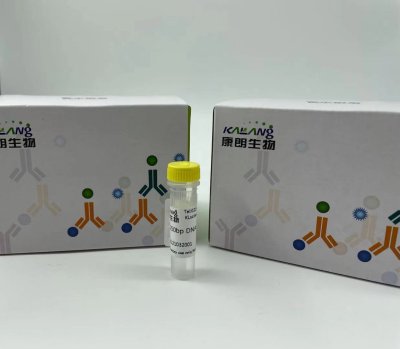
Anti-GNGT1 KL20092-001(50ul)
2021-10-11 -
Anti-GNGT1 antibody(50ul) KL20093-001
2021-10-11 -
α-tubulin mouse Monoclonal Antibody
2021-01-08 -
α-tubulin mouse Monoclonal Antibody(8F11)
2021-01-08
热门标签
- Histone H3 rabbit Polyclonal Antibody Histone H3抗体
- EGFR rabbit Polyclonal Antibody EGFR抗体
- Cy3 Conjugated
- AbFluor™ 555 Conjugated
- AbFluor™ 680 Conjugated
- AbFluor™ 350 Conjugated
- AbFluor™ 647 Conjugated
- AbFluor™ 594 Conjugated
- AbFluor™ 405 Conjugated
- Cy5 Conjugated
- AbFluor™ 488 Conjugated
- Cyclophilin B抗体 Cyclophilin B Monoclonal Antibody(2B10)
- COX IV抗体 COX IV Monoclonal Antibody(6C8)
- PCNA抗体 PCNA Monoclonal Antibody(12D10)
- FAK rabbit Polyclonal Antibody FAK抗体
邮箱:3002763590@qq.com
电话:021-61998208

扫码关注微信公众号