QQ:3002763590


客服电话:021-61998208
我们是专业的科研试剂供应服务商
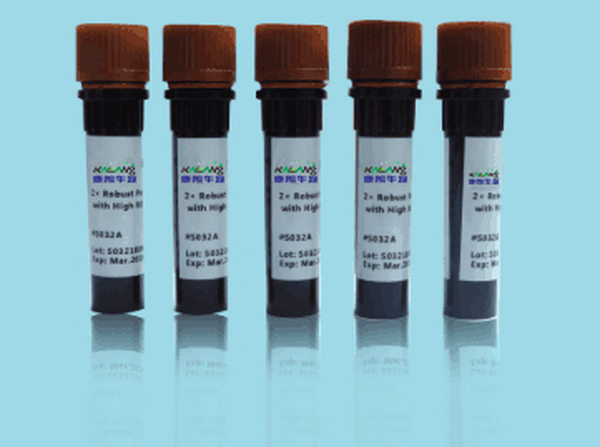
OSB11 rabbit Polyclonal Antibody
OSB11抗体应用:WB 1:500-2000This gene encodes a member of the oxysterol-binding protein (OSBP) family, a group of intracellular lipid receptors. Like most members, the encoded protein contains an N-terminal pleckstrin homology domain and a highly conserved C-terminal OSBP-like sterol-binding domain. [provided by RefSeq, Jul 2008],
OSBL1 rabbit Polyclonal Antibody
OSBL1抗体应用:WB 1:500-2000 This gene encodes a member of the oxysterol-binding protein (OSBP) family, a group of intracellular lipid receptors. Most members contain an N-terminal pleckstrin homology domain and a highly conserved C-terminal OSBP-like sterol-binding domain, although some members contain only the sterol-binding domain. Transcript variants derived from alternative promoter usage and/or alternative splicing exist; they encode different isoforms. [provided by RefSeq, Jul 2008],
OSBL6 rabbit Polyclonal Antibody
OSBL6抗体应用:WB 1:500-2000 ELISA 1:5000-20000oxysterol binding protein like 6(OSBPL6) Homo sapiens This gene encodes a member of the oxysterol-binding protein (OSBP) family, a group of intracellular lipid receptors. Most members contain an N-terminal pleckstrin homology domain and a highly conserved C-terminal OSBP-like sterol-binding domain. Transcript variants encoding different isoforms have been identified. [provided by RefSeq, Jul 2008],
OSBP2 rabbit Polyclonal Antibody
OSBP2抗体应用:WB 1:500-2000 The protein encoded by this gene contains a pleckstrin homology (PH) domain and an oxysterol-binding region. It binds oxysterols such as 7-ketocholesterol and may inhibit their cytotoxicity. Alternatively spliced transcript variants encoding multiple isoforms have been observed for this gene. [provided by RefSeq, Sep 2013],
OSCAR rabbit Polyclonal Antibody
OSCAR抗体应用:WB 1:500-2000 ELISA 1:5000-20000osteoclast associated, immunoglobulin-like receptor(OSCAR) Homo sapiens Osteoclasts are multinucleated cells that resorb bone and are essential for bone homeostasis. This gene encodes an osteoclast-associated receptor (OSCAR), which is a member of the leukocyte receptor complex protein family that plays critical roles in the regulation of both innate and adaptive immune responses. The encoded protein may play a role in oxidative stress-mediated atherogenesis as well as monocyte adhesion. Multiple alternatively spliced transcript variants encoding different isoforms have been found for this gene. [provided by RefSeq, Aug 2013],
OSGI1 rabbit Polyclonal Antibody
OSGI1抗体应用:WB 1:500-2000This gene encodes an oxidative stress response protein that regulates cell death. Expression of the gene is regulated by p53 and is induced by DNA damage. The protein regulates apoptosis by inducing cytochrome c release from mitochondria. It also appears to be a key regulator of both inflammatory and anti-inflammatory molecules. The loss of this protein correlates with uncontrolled cell growth and tumor formation. Naturally occurring read-through transcription exists between this gene and the neighboring upstream malonyl-CoA decarboxylase (MLYCD) gene, but the read-through transcripts are unlikely to produce a protein product. [provided by RefSeq, Aug 2011],
OSTCN rabbit Polyclonal Antibody
OSTCN抗体应用:WB 1:500-2000 ELISA 1:5000-20000bone gamma-carboxyglutamate protein(BGLAP) Homo sapiens This gene encodes a highly abundant bone protein secreted by osteoblasts that regulates bone remodeling and energy metabolism. The encoded protein contains a Gla (gamma carboxyglutamate) domain, which functions in binding to calcium and hydroxyapatite, the mineral component of bone. Serum osteocalcin levels may be negatively correlated with metabolic syndrome. Read-through transcription exists between this gene and the neighboring upstream gene, PMF1 (polyamine-modulated factor 1), but the encoded protein only shows sequence identity with the upstream gene product. [provided by RefSeq, Jun 2015],
最新动态
-
Anti-GNGT1 KL20092-001(50ul)
2021-10-11 -
Anti-GNGT1 antibody(50ul) KL20093-001
2021-10-11 -

骨组织快速脱钙液Ⅰ
2021-09-07 -
外泌体(exosomes)染色试剂盒
2021-09-07 -
外泌体(exosomes)吸附抑制剂
2021-09-07
热门标签
- Histone H3 rabbit Polyclonal Antibody Histone H3抗体
- EGFR rabbit Polyclonal Antibody EGFR抗体
- Cy3 Conjugated
- AbFluor™ 555 Conjugated
- AbFluor™ 680 Conjugated
- AbFluor™ 350 Conjugated
- AbFluor™ 647 Conjugated
- AbFluor™ 594 Conjugated
- AbFluor™ 405 Conjugated
- Cy5 Conjugated
- AbFluor™ 488 Conjugated
- Cyclophilin B抗体 Cyclophilin B Monoclonal Antibody(2B10)
- COX IV抗体 COX IV Monoclonal Antibody(6C8)
- PCNA抗体 PCNA Monoclonal Antibody(12D10)
- FAK rabbit Polyclonal Antibody FAK抗体
邮箱:3002763590@qq.com
电话:021-61998208

扫码关注微信公众号