QQ:3002763590


客服电话:021-61998208
我们是专业的科研试剂供应服务商
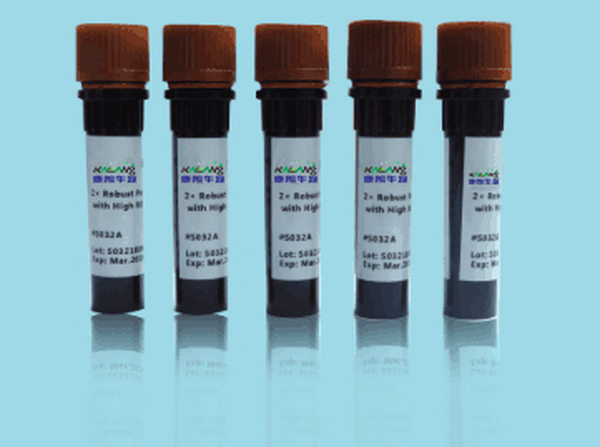
PTPRT rabbit Polyclonal Antibody
PTPRT抗体应用:WB 1:500-2000 ELISA 1:5000-20000protein tyrosine phosphatase, receptor type T(PTPRT) Homo sapiens The protein encoded by this gene is a member of the protein tyrosine phosphatase (PTP) family. PTPs are known to be signaling molecules that regulate a variety of cellular processes including cell growth, differentiation, mitotic cycle, and oncogenic transformation. This PTP possesses an extracellular region, a single transmembrane region, and two tandem intracellular catalytic domains, and thus represents a receptor-type PTP. The extracellular region contains a meprin-A5 antigen-PTP (MAM) domain, Ig-like and fibronectin type III-like repeats. The protein domain structure and the expression pattern of the mouse counterpart of this PTP suggest its roles in both signal transduction and cellular adhesion in the central nervous system. Two alternatively spliced transcript variants of this gene, which encode distinct proteins, have been reported. [provided by RefSeq, Jul 2008],
PTPRU rabbit Polyclonal Antibody
PTPRU抗体应用:WB 1:500-2000 ELISA 1:5000-20000protein tyrosine phosphatase, receptor type U(PTPRU) Homo sapiens The protein encoded by this gene is a member of the protein tyrosine phosphatase (PTP) family. PTPs are known to be signaling molecules that regulate a variety of cellular processes including cell growth, differentiation, mitotic cycle, and oncogenic transformation. This PTP possesses an extracellular region, a single transmembrane region, and two tandem intracellular catalytic domains, and thus represents a receptor-type PTP. The extracellular region contains a meprin-A5 antigen-PTP (MAM) domain, Ig-like and fibronectin type III-like repeats. This PTP was thought to play roles in cell-cell recognition and adhesion. Studies of the similar gene in mice suggested the role of this PTP in early neural development. The expression of this gene was reported to be regulated by phorbol myristate acetate (PMA) or calcium ionophore in Jurkat T lymphoma cells. Alternatively spliced trans
PTRF rabbit Polyclonal Antibody
PTRF抗体应用:WB 1:500-2000 ELISA 1:5000-20000polymerase I and transcript release factor(PTRF) Homo sapiens This gene encodes a protein that enables the dissociation of paused ternary polymerase I transcription complexes from the 3' end of pre-rRNA transcripts. This protein regulates rRNA transcription by promoting the dissociation of transcription complexes and the reinitiation of polymerase I on nascent rRNA transcripts. This protein also localizes to caveolae at the plasma membrane and is thought to play a critical role in the formation of caveolae and the stabilization of caveolins. This protein translocates from caveolae to the cytoplasm after insulin stimulation. Caveolae contain truncated forms of this protein and may be the site of phosphorylation-dependent proteolysis. This protein is also thought to modify lipid metabolism and insulin-regulated gene expression. Mutations in this gene result in a disorder characterized by generalized lipodystrophy and muscular dystrop
PURA rabbit Polyclonal Antibody
PURA抗体应用:WB 1:500-2000 ELISA 1:5000-20000purine rich element binding protein A(PURA) Homo sapiens This gene product is a sequence-specific, single-stranded DNA-binding protein. It binds preferentially to the single strand of the purine-rich element termed PUR, which is present at origins of replication and in gene flanking regions in a variety of eukaryotes from yeasts through humans. Thus, it is implicated in the control of both DNA replication and transcription. Deletion of this gene has been associated with myelodysplastic syndrome and acute myelogenous leukemia. [provided by RefSeq, Jul 2008],
PURB rabbit Polyclonal Antibody
PURB抗体应用:WB 1:500-2000 ELISA 1:5000-20000purine rich element binding protein B(PURB) Homo sapiens This gene product is a sequence-specific, single-stranded DNA-binding protein. It binds preferentially to the single strand of the purine-rich element termed PUR, which is present at origins of replication and in gene flanking regions in a variety of eukaryotes from yeasts through humans. Thus, it is implicated in the control of both DNA replication and transcription. Deletion of this gene has been associated with myelodysplastic syndrome and acute myelogenous leukemia. [provided by RefSeq, Jul 2008],
PUS3 rabbit Polyclonal Antibody
PUS3抗体应用:WB 1:500-2000 The protein encoded by this gene catalyzes the formation of tRNA pseudouridine from tRNA uridine at position 39 in the anticodon stem and loop of transfer RNAs. Two transcript variants encoding different isoforms have been found for this gene. [provided by RefSeq, Dec 2012],
PX11A rabbit Polyclonal Antibody
PX11A抗体应用:WB 1:500-2000 ELISA 1:5000-20000peroxisomal biogenesis factor 11 alpha(PEX11A) Homo sapiens This gene is a member of the PEX11 family, which is composed of membrane elongation factors involved in regulation of peroxisome maintenance and proliferation. This gene product interacts with peroxisomal membrane protein 19 and may respond to outside stimuli to increase peroxisome abundance. Alternatively spliced transcript variants encoding multiple isoforms have been observed for this gene. [provided by RefSeq, Oct 2012],
PXDC2 rabbit Polyclonal Antibody
PXDC2抗体应用:WB 1:500-2000 ELISA 1:5000-20000function:May play a role in tumor angiogenesis.,similarity:Belongs to the plexin family.,similarity:Contains 1 PSI domain.,subunit:Interacts with CTTN.,tissue specificity:Expressed in the endothelial cells of the stroma but not in the endothelial cells of normal colonic tissue.,
PXK rabbit Polyclonal Antibody
PXK抗体应用:WB 1:500-2000 This gene encodes a phox (PX) domain-containing protein which may be involved in synaptic transmission and the ligand-induced internalization and degradation of epidermal growth factors. Variations in this gene may be associated with susceptibility to systemic lupus erythematosus (SLE). Alternative splicing results in multiple transcript variants. [provided by RefSeq, Jan 2014],
PYGM rabbit Polyclonal Antibody
PYGM抗体应用:WB 1:500-2000 This gene encodes a muscle enzyme involved in glycogenolysis. Highly similar enzymes encoded by different genes are found in liver and brain. Mutations in this gene are associated with McArdle disease (myophosphorylase deficiency), a glycogen storage disease of muscle. Alternative splicing results in multiple transcript variants.[provided by RefSeq, Sep 2009],
最新动态
-
Anti-GNGT1 KL20092-001(50ul)
2021-10-11 -
Anti-GNGT1 antibody(50ul) KL20093-001
2021-10-11 -

骨组织快速脱钙液Ⅰ
2021-09-07 -
外泌体(exosomes)染色试剂盒
2021-09-07 -
外泌体(exosomes)吸附抑制剂
2021-09-07
热门标签
- Histone H3 rabbit Polyclonal Antibody Histone H3抗体
- EGFR rabbit Polyclonal Antibody EGFR抗体
- Cy3 Conjugated
- AbFluor™ 555 Conjugated
- AbFluor™ 680 Conjugated
- AbFluor™ 350 Conjugated
- AbFluor™ 647 Conjugated
- AbFluor™ 594 Conjugated
- AbFluor™ 405 Conjugated
- Cy5 Conjugated
- AbFluor™ 488 Conjugated
- Cyclophilin B抗体 Cyclophilin B Monoclonal Antibody(2B10)
- COX IV抗体 COX IV Monoclonal Antibody(6C8)
- PCNA抗体 PCNA Monoclonal Antibody(12D10)
- FAK rabbit Polyclonal Antibody FAK抗体
邮箱:3002763590@qq.com
电话:021-61998208

扫码关注微信公众号