QQ:3002763590


客服电话:021-61998208
我们是专业的科研试剂供应服务商
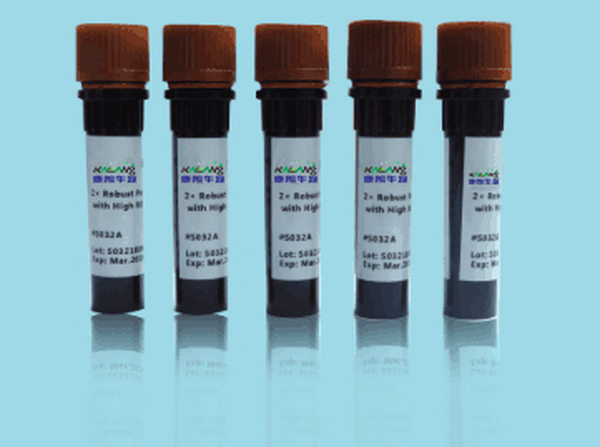
FACR1 rabbit Polyclonal Antibody
FACR1抗体应用:WB 1:500-2000 The protein encoded by this gene is required for the reduction of fatty acids to fatty alcohols, a process that is required for the synthesis of monoesters and ether lipids. NADPH is required as a cofactor in this reaction, and 16-18 carbon saturated and unsaturated fatty acids are the preferred substrate. This is a peroxisomal membrane protein, and studies suggest that the N-terminus contains a large catalytic domain located on the outside of the peroxisome, while the C-terminus is exposed to the matrix of the peroxisome. Studies indicate that the regulation of this protein is dependent on plasmalogen levels. Mutations in this gene have been associated with individuals affected by severe intellectual disability, early-onset epilepsy, microcephaly, congenital cataracts, growth retardation, and spasticity (PMID: 25439727). A pseudogene of this gene is located on chromosome 13. [provided by RefSeq, Jan 2015],
FACR2 rabbit Polyclonal Antibody
FACR2抗体应用:WB 1:500-2000 This gene belongs to the short chain dehydrogenase/reductase superfamily. It encodes a reductase enzyme involved in the first step of wax biosynthesis wherein fatty acids are converted to fatty alcohols. The encoded peroxisomal protein utilizes saturated fatty acids of 16 or 18 carbons as preferred substrates. Alternatively spliced transcript variants have been observed for this gene. Related pseudogenes have been identified on chromosomes 2, 14 and 22. [provided by RefSeq, Nov 2012],
Factor I rabbit Polyclonal Antibody
Factor I抗体应用:IHC: 1/500 - 1/2000. ELISA: 1/10000. complement factor I(CFI) Homo sapiens This gene encodes a serine proteinase that is essential for regulating the complement cascade. The encoded preproprotein is cleaved to produce both heavy and light chains, which are linked by disulfide bonds to form a heterodimeric glycoprotein. This heterodimer can cleave and inactivate the complement components C4b and C3b, and it prevents the assembly of the C3 and C5 convertase enzymes. Defects in this gene cause complement factor I deficiency, an autosomal recessive disease associated with a susceptibility to pyogenic infections. Mutations in this gene have been associated with a predisposition to atypical hemolytic uremic syndrome, a disease characterized by acute renal failure, microangiopathic hemolytic anemia and thrombocytopenia. Primary glomerulonephritis with immune deposits and age-related macular degeneration are other conditions associated with mutations of this gene. [provided by Ref
最新动态
-
Anti-GNGT1 KL20092-001(50ul)
2021-10-11 -
Anti-GNGT1 antibody(50ul) KL20093-001
2021-10-11 -

骨组织快速脱钙液Ⅰ
2021-09-07 -
外泌体(exosomes)染色试剂盒
2021-09-07 -
外泌体(exosomes)吸附抑制剂
2021-09-07
热门标签
- Histone H3 rabbit Polyclonal Antibody Histone H3抗体
- EGFR rabbit Polyclonal Antibody EGFR抗体
- Cy3 Conjugated
- AbFluor™ 555 Conjugated
- AbFluor™ 680 Conjugated
- AbFluor™ 350 Conjugated
- AbFluor™ 647 Conjugated
- AbFluor™ 594 Conjugated
- AbFluor™ 405 Conjugated
- Cy5 Conjugated
- AbFluor™ 488 Conjugated
- Cyclophilin B抗体 Cyclophilin B Monoclonal Antibody(2B10)
- COX IV抗体 COX IV Monoclonal Antibody(6C8)
- PCNA抗体 PCNA Monoclonal Antibody(12D10)
- FAK rabbit Polyclonal Antibody FAK抗体
邮箱:3002763590@qq.com
电话:021-61998208

扫码关注微信公众号