QQ:3002763590


客服电话:021-61998208
我们是专业的科研试剂供应服务商
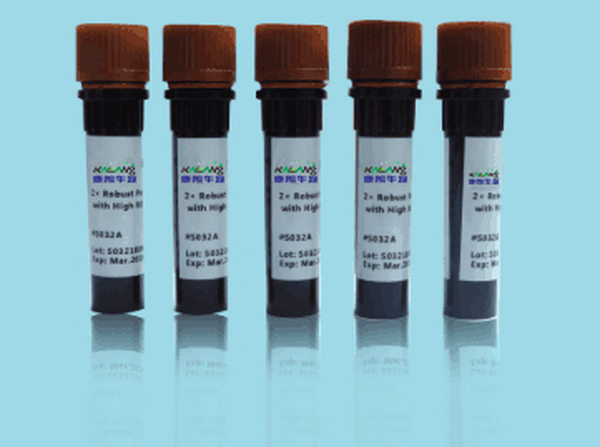
IL-13Rα1 rabbit Polyclonal Antibody
IL-13Rα1抗体应用:Western Blot: 1/500 - 1/2000. Immunohistochemistry: 1/100 - 1/300. Immunofluorescence: 1/200 - 1/1000. ELISA: 1/10000. interleukin 13 receptor subunit alpha 1(IL13RA1) Homo sapiens The protein encoded by this gene is a subunit of the interleukin 13 receptor. This subunit forms a receptor complex with IL4 receptor alpha, a subunit shared by IL13 and IL4 receptors. This subunit serves as a primary IL13-binding subunit of the IL13 receptor, and may also be a component of IL4 receptors. This protein has been shown to bind tyrosine kinase TYK2, and thus may mediate the signaling processes that lead to the activation of JAK1, STAT3 and STAT6 induced by IL13 and IL4. [provided by RefSeq, Jul 2008],
IL-13Rα2 rabbit Polyclonal Antibody
IL-13Rα2抗体应用:Western Blot: 1/500 - 1/2000. IHC-p: 1:100-1:300. ELISA: 1/10000. interleukin 13 receptor subunit alpha 2(IL13RA2) Homo sapiens The protein encoded by this gene is closely related to Il13RA1, a subuint of the interleukin 13 receptor complex. This protein binds IL13 with high affinity, but lacks cytoplasmic domain, and does not appear to function as a signal mediator. It is reported to play a role in the internalization of IL13. [provided by RefSeq, Jul 2008],
IL-13Rα2 rabbit Polyclonal Antibody
IL-13Rα2抗体应用:Western Blot: 1/500 - 1/2000. ELISA: 1/20000. interleukin 13 receptor subunit alpha 2(IL13RA2) Homo sapiens The protein encoded by this gene is closely related to Il13RA1, a subuint of the interleukin 13 receptor complex. This protein binds IL13 with high affinity, but lacks cytoplasmic domain, and does not appear to function as a signal mediator. It is reported to play a role in the internalization of IL13. [provided by RefSeq, Jul 2008],
IL-15 rabbit Polyclonal Antibody
IL-15抗体应用:IHC-p 1:50-200, ELISA 1:10000-20000 interleukin 15(IL15) Homo sapiens The protein encoded by this gene is a cytokine that regulates T and natural killer cell activation and proliferation. This cytokine and interleukine 2 share many biological activities. They are found to bind common hematopoietin receptor subunits, and may compete for the same receptor, and thus negatively regulate each other's activity. The number of CD8+ memory cells is shown to be controlled by a balance between this cytokine and IL2. This cytokine induces the activation of JAK kinases, as well as the phosphorylation and activation of transcription activators STAT3, STAT5, and STAT6. Studies of the mouse counterpart suggested that this cytokine may increase the expression of apoptosis inhibitor BCL2L1/BCL-x(L), possibly through the transcription activation activity of STAT6, and thus prevent apoptosis. Alternatively spliced transcript variants of this gene have been reported. [provided by RefSeq, Feb
IL-15Rα rabbit Polyclonal Antibody
IL-15Rα抗体应用:Western Blot: 1/500 - 1/2000. ELISA: 1/40000. interleukin 15 receptor subunit alpha(IL15RA) Homo sapiens This gene encodes a cytokine receptor that specifically binds interleukin 15 (IL15) with high affinity. The receptors of IL15 and IL2 share two subunits, IL2R beta and IL2R gamma. This forms the basis of many overlapping biological activities of IL15 and IL2. The protein encoded by this gene is structurally related to IL2R alpha, an additional IL2-specific alpha subunit necessary for high affinity IL2 binding. Unlike IL2RA, IL15RA is capable of binding IL15 with high affinity independent of other subunits, which suggests distinct roles between IL15 and IL2. This receptor is reported to enhance cell proliferation and expression of apoptosis inhibitor BCL2L1/BCL2-XL and BCL2. Multiple alternatively spliced transcript variants of this gene have been reported.[provided by RefSeq, Apr 2010],
IL16 rabbit Polyclonal Antibody
IL16抗体应用:WB 1:500-2000, ELISA 1:10000-20000 interleukin 16(IL16) Homo sapiens The protein encoded by this gene is a pleiotropic cytokine that functions as a chemoattractant, a modulator of T cell activation, and an inhibitor of HIV replication. The signaling process of this cytokine is mediated by CD4. The product of this gene undergoes proteolytic processing, which is found to yield two functional proteins. The cytokine function is exclusively attributed to the secreted C-terminal peptide, while the N-terminal product may play a role in cell cycle control. Caspase 3 is reported to be involved in the proteolytic processing of this protein. Alternate splicing results in multiple transcript variants. [provided by RefSeq, Feb 2010],
IL-16 rabbit Polyclonal Antibody
IL-16抗体应用:Western Blot: 1/500 - 1/2000. IHC-p: 1:100-300 ELISA: 1/20000. interleukin 16(IL16) Homo sapiens The protein encoded by this gene is a pleiotropic cytokine that functions as a chemoattractant, a modulator of T cell activation, and an inhibitor of HIV replication. The signaling process of this cytokine is mediated by CD4. The product of this gene undergoes proteolytic processing, which is found to yield two functional proteins. The cytokine function is exclusively attributed to the secreted C-terminal peptide, while the N-terminal product may play a role in cell cycle control. Caspase 3 is reported to be involved in the proteolytic processing of this protein. Alternate splicing results in multiple transcript variants. [provided by RefSeq, Feb 2010],
IL-16 rabbit Polyclonal Antibody
IL-16抗体应用:Immunohistochemistry: 1/100 - 1/300. ELISA: 1/40000. interleukin 16(IL16) Homo sapiens The protein encoded by this gene is a pleiotropic cytokine that functions as a chemoattractant, a modulator of T cell activation, and an inhibitor of HIV replication. The signaling process of this cytokine is mediated by CD4. The product of this gene undergoes proteolytic processing, which is found to yield two functional proteins. The cytokine function is exclusively attributed to the secreted C-terminal peptide, while the N-terminal product may play a role in cell cycle control. Caspase 3 is reported to be involved in the proteolytic processing of this protein. Alternate splicing results in multiple transcript variants. [provided by RefSeq, Feb 2010],
IL-17B rabbit Polyclonal Antibody
IL-17B抗体应用:IHC-p 1:50-200, ELISA 1:10000-20000 interleukin 17B(IL17B) Homo sapiens The protein encoded by this gene is a T cell-derived cytokine that shares sequence similarity with IL17. This cytokine was reported to stimulate the release of TNF alpha (TNF) and IL1 beta (IL1B) from a monocytic cell line. Immunohistochemical analysis of several nerve tissues indicated that this cytokine is primarily localized to neuronal cell bodies. Alternative splicing results in multiple splice variants. [provided by RefSeq, Dec 2015],
IL-17C rabbit Polyclonal Antibody
IL-17C抗体应用:IHC-p 1:50-200, ELISA 1:10000-20000interleukin 17C(IL17C) Homo sapiens The protein encoded by this gene is a T cell-derived cytokine that shares the sequence similarity with IL17. This cytokine was reported to stimulate the release of tumor necrosis factor alpha and interleukin 1 beta from a monocytic cell line. The expression of this cytokine was found to be restricted to activated T cells. [provided by RefSeq, Jul 2008],
最新动态
-
Anti-GNGT1 KL20092-001(50ul)
2021-10-11 -
Anti-GNGT1 antibody(50ul) KL20093-001
2021-10-11 -

骨组织快速脱钙液Ⅰ
2021-09-07 -
外泌体(exosomes)染色试剂盒
2021-09-07 -
外泌体(exosomes)吸附抑制剂
2021-09-07
热门标签
- Histone H3 rabbit Polyclonal Antibody Histone H3抗体
- EGFR rabbit Polyclonal Antibody EGFR抗体
- Cy3 Conjugated
- AbFluor™ 555 Conjugated
- AbFluor™ 680 Conjugated
- AbFluor™ 350 Conjugated
- AbFluor™ 647 Conjugated
- AbFluor™ 594 Conjugated
- AbFluor™ 405 Conjugated
- Cy5 Conjugated
- AbFluor™ 488 Conjugated
- Cyclophilin B抗体 Cyclophilin B Monoclonal Antibody(2B10)
- COX IV抗体 COX IV Monoclonal Antibody(6C8)
- PCNA抗体 PCNA Monoclonal Antibody(12D10)
- FAK rabbit Polyclonal Antibody FAK抗体
邮箱:3002763590@qq.com
电话:021-61998208

扫码关注微信公众号