QQ:3002763590


客服电话:021-61998208
我们是专业的科研试剂供应服务商
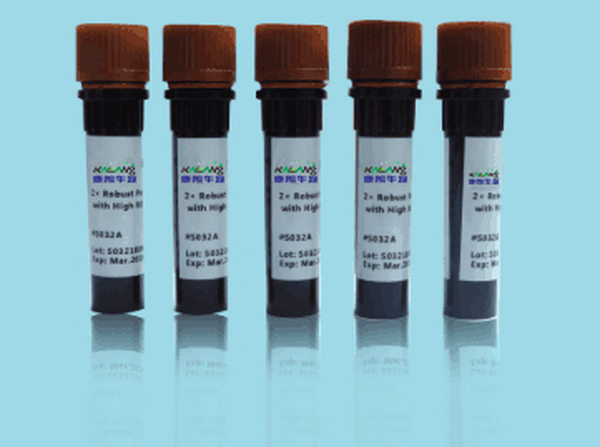
ERR1 rabbit Polyclonal Antibody
ERR1抗体应用:WB 1:500-2000 ELISA 1:5000-20000estrogen related receptor alpha(ESRRA) Homo sapiens The protein encoded by this gene is a nuclear receptor that is closely related to the estrogen receptor. This protein acts as a site-specific transcription regulator and has been also shown to interact with estrogen and the transcripton factor TFIIB by direct protein-protein contact. The binding and regulatory activities of this protein have been demonstrated in the regulation of a variety of genes including lactoferrin, osteopontin, medium-chain acyl coenzyme A dehydrogenase (MCAD) and thyroid hormone receptor genes. A processed pseudogene of ESRRA is located on chromosome 13q12.1. Alternatively spliced transcript variants have been found for this gene. [provided by RefSeq, Sep 2013],
ERR2 rabbit Polyclonal Antibody
ERR2抗体应用:WB 1:500-2000 ELISA 1:5000-20000estrogen related receptor beta(ESRRB) Homo sapiens This gene encodes a protein with similarity to the estrogen receptor. Its function is unknown; however, a similar protein in mouse plays an essential role in placental development. [provided by RefSeq, Jul 2008],
ERR3 rabbit Polyclonal Antibody
ERR3抗体应用:WB 1:500-2000 ELISA 1:5000-20000estrogen related receptor gamma(ESRRG) Homo sapiens This gene encodes a member of the estrogen receptor-related receptor (ESRR) family, which belongs to the nuclear hormone receptor superfamily. All members of the ESRR family share an almost identical DNA binding domain, which is composed of two C4-type zinc finger motifs. The ESRR members are orphan nuclear receptors; they bind to the estrogen response element and steroidogenic factor 1 response element, and activate genes controlled by both response elements in the absence of any ligands. The ESRR family is closely related to the estrogen receptor (ER) family. They share target genes, co-regulators and promoters, and by targeting the same set of genes, the ESRRs seem to interfere with the ER-mediated estrogen response in various ways. It has been reported that the family member encoded by this gene functions as a transcriptional activator of DNA cytosine-5-methyltransferases 1 (Dnmt1) expre
ES1 rabbit Polyclonal Antibody
ES1抗体应用:WB 1:500-2000 ELISA 1:5000-20000chromosome 21 open reading frame 33(C21orf33) Homo sapiens This gene encodes a potential mitochondrial protein that is a member of the DJ-1/PfpI gene family. This protein is overexpressed in fetal Down syndrome brain. Alternate splicing results in multiple transcript variants. [provided by RefSeq, May 2010],
ESAM rabbit Polyclonal Antibody
ESAM抗体应用:WB 1:500-2000 ELISA 1:5000-20000function:Can mediate aggregation most likely through a homophilic molecular interaction.,similarity:Contains 1 Ig-like C2-type (immunoglobulin-like) domain.,similarity:Contains 1 Ig-like V-type (immunoglobulin-like) domain.,subunit:Interacts with BAIAP1.,tissue specificity:Highly expressed in endothelial cells.,
ESCO1 rabbit Polyclonal Antibody
ESCO1抗体应用:WB 1:500-2000 ELISA 1:5000-20000establishment of sister chromatid cohesion N-acetyltransferase 1(ESCO1) Homo sapiens ESCO1 belongs to a conserved family of acetyltransferases involved in sister chromatid cohesion (Hou and Zou, 2005 [PubMed 15958495]).[supplied by OMIM, Mar 2008],
ESM1 rabbit Polyclonal Antibody
ESM1抗体应用:WB 1:500-2000 ELISA 1:5000-20000endothelial cell specific molecule 1(ESM1) Homo sapiens This gene encodes a secreted protein which is mainly expressed in the endothelial cells in human lung and kidney tissues. The expression of this gene is regulated by cytokines, suggesting that it may play a role in endothelium-dependent pathological disorders. The transcript contains multiple polyadenylation and mRNA instability signals. Two transcript variants encoding different isoforms have been found for this gene. [provided by RefSeq, Oct 2008],
EST1 rabbit Polyclonal Antibody
EST1抗体应用:WB 1:500-2000 This gene encodes a member of the carboxylesterase large family. The family members are responsible for the hydrolysis or transesterification of various xenobiotics, such as cocaine and heroin, and endogenous substrates with ester, thioester, or amide bonds. They may participate in fatty acyl and cholesterol ester metabolism, and may play a role in the blood-brain barrier system. This enzyme is the major liver enzyme and functions in liver drug clearance. Mutations of this gene cause carboxylesterase 1 deficiency. Three transcript variants encoding three different isoforms have been found for this gene. [provided by RefSeq, Jun 2010],
EST3 rabbit Polyclonal Antibody
EST3抗体应用:WB 1:500-2000 This gene encodes a member of the carboxylesterase large family. The family members are responsible for the hydrolysis or transesterification of various xenobiotics, such as cocaine and heroin, and endogenous substrates with ester, thioester, or amide bonds. They may participate in fatty acyl and cholesterol ester metabolism, and may play a role in the blood-brain barrier system. This gene is expressed in several tissues, particularly in colon, trachea and in brain, and the protein participates in colon and neural drug metabolism. Multiple alternatively spliced transcript variants encoding distinct isoforms have been reported, but the biological validity and/or full-length nature of some variants have not been determined.[provided by RefSeq, Jun 2010],
最新动态
-
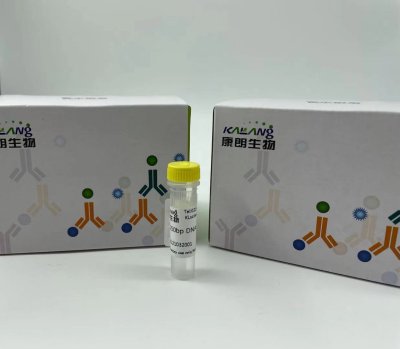
Anti-GNGT1 KL20092-001(50ul)
2021-10-11 -
Anti-GNGT1 antibody(50ul) KL20093-001
2021-10-11 -
α-tubulin mouse Monoclonal Antibody
2021-01-08 -
α-tubulin mouse Monoclonal Antibody(8F11)
2021-01-08
热门标签
- Histone H3 rabbit Polyclonal Antibody Histone H3抗体
- EGFR rabbit Polyclonal Antibody EGFR抗体
- Cy3 Conjugated
- AbFluor™ 555 Conjugated
- AbFluor™ 680 Conjugated
- AbFluor™ 350 Conjugated
- AbFluor™ 647 Conjugated
- AbFluor™ 594 Conjugated
- AbFluor™ 405 Conjugated
- Cy5 Conjugated
- AbFluor™ 488 Conjugated
- Cyclophilin B抗体 Cyclophilin B Monoclonal Antibody(2B10)
- COX IV抗体 COX IV Monoclonal Antibody(6C8)
- PCNA抗体 PCNA Monoclonal Antibody(12D10)
- FAK rabbit Polyclonal Antibody FAK抗体
邮箱:3002763590@qq.com
电话:021-61998208

扫码关注微信公众号