QQ:3002763590


客服电话:021-61998208
我们是专业的科研试剂供应服务商
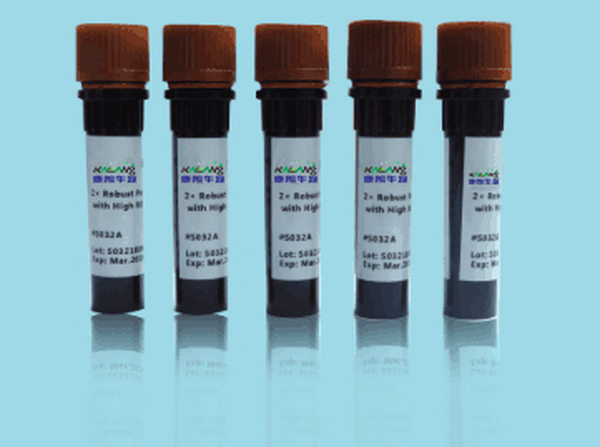
HBEGF rabbit Polyclonal Antibody
HBEGF抗体应用:WB 1:500-2000 ELISA 1:5000-20000function:May be involved in macrophage-mediated cellular proliferation. It is mitogenic for fibroblasts and smooth muscle but not endothelial cells. It is able to bind EGF receptors with higher affinity than EGF itself and is a far more potent mitogen for smooth muscle cells than EGF. Also acts as a diphtheria toxin receptor.,PTM:O-linked glycan attachment sites were determined by Edman degradation, O-glycanase digest suggests mucin-type glycosylation (done in HB-EGF purified from histiocytic lymphoma cell line U-937).,PTM:Several N-termini have been identified by direct sequencing. The forms with N-termini 63, 73 and 74 have been tested and found to be biologically active.,similarity:Contains 1 EGF-like domain.,subcellular location:Mature HB-EGF is released into the extracellular space and probably binds to a receptor.,
HBG1 rabbit Polyclonal Antibody
HBG1抗体应用:WB 1:500-2000 The gamma globin genes (HBG1 and HBG2) are normally expressed in the fetal liver, spleen and bone marrow. Two gamma chains together with two alpha chains constitute fetal hemoglobin (HbF) which is normally replaced by adult hemoglobin (HbA) at birth. In some beta-thalassemias and related conditions, gamma chain production continues into adulthood. The two types of gamma chains differ at residue 136 where glycine is found in the G-gamma product (HBG2) and alanine is found in the A-gamma product (HBG1). The former is predominant at birth. The order of the genes in the beta-globin cluster is: 5'-epsilon -- gamma-G -- gamma-A -- delta -- beta--3'. [provided by RefSeq, Jul 2008],
HBM rabbit Polyclonal Antibody
HBM抗体应用:WB 1:500-2000 ELISA 1:5000-20000hemoglobin subunit mu(HBM) Homo sapiens The human alpha globin gene cluster located on chromosome 16 spans about 30 kb and includes seven loci: 5'- zeta - pseudozeta - mu - pseudoalpha-1 - alpha-2 - alpha-1 - theta - 3'. This gene has an ORF encoding a 141 aa polypeptide which is similar to the delta globins found in reptiles and birds. This locus was originally described as a pseudogene; however, it is currently thought to be a protein-coding gene. [provided by RefSeq, Jul 2008],
HBXIP rabbit Polyclonal Antibody
HBXIP抗体应用:WB 1:500-2000 ELISA 1:5000-20000late endosomal/lysosomal adaptor, MAPK and MTOR activator 5(LAMTOR5) Homo sapiens This gene encodes a protein that specifically complexes with the C-terminus of hepatitis B virus X protein (HBx). The function of this protein is to negatively regulate HBx activity and thus to alter the replication life cycle of the virus. [provided by RefSeq, Jul 2008],
HCAR1 rabbit Polyclonal Antibody
HCAR1抗体应用:WB 1:500-2000 ELISA 1:5000-20000hydroxycarboxylic acid receptor 1(HCAR1) Homo sapiens G protein-coupled receptors (GPCRs, or GPRs), such as GPR81, contain 7 transmembrane domains and transduce extracellular signals through heterotrimeric G proteins.[supplied by OMIM, Feb 2005],
HCAR2 rabbit Polyclonal Antibody
HCAR2抗体应用:WB 1:500-2000 ELISA 1:5000-20000developmental stage:Expression in neutrophils occurs in the late terminal differentiation phase.,function:Acts as a high affinity receptor for both nicotinic acid (also known as niacin) and (D)-beta-hydroxybutyrate and mediates increased adiponectin secretion and decreased lipolysis through G(i)-protein-mediated inhibition of adenylyl cyclase. This pharmacological effect requires nicotinic acid doses that are much higher than those provided by a normal diet. Mediates nicotinic acid-induced apoptosis in mature neutrophils. Receptor activation by nicotinic acid results in reduced cAMP levels which may affect activity of cAMP-dependent protein kinase A and phosphorylation of target proteins, leading to neutrophil apoptosis.,miscellaneous:The rank order of potency for the displacement of nicotinic acid binding is 5-methyl pyrazole-3-carboxylic acid = pyridine-3-acetic acid > acifran > 5-methyl nicotinic acid = acipimox >> nicotinuric acid = nicotin
HCN1 rabbit Polyclonal Antibody
HCN1抗体应用:WB 1:500-2000 ELISA 1:5000-20000hyperpolarization activated cyclic nucleotide gated potassium channel 1(HCN1) Homo sapiens The membrane protein encoded by this gene is a hyperpolarization-activated cation channel that contributes to the native pacemaker currents in heart and neurons. The encoded protein can homodimerize or heterodimerize with other pore-forming subunits to form a potassium channel. This channel may act as a receptor for sour tastes. [provided by RefSeq, Oct 2011],
HCN3 rabbit Polyclonal Antibody
HCN3抗体应用:WB 1:500-2000 ELISA 1:5000-20000hyperpolarization activated cyclic nucleotide gated potassium channel 3(HCN3) Homo sapiens This gene encodes a multi-pass membrane protein that functions as a voltage gated cation channel. The encoded protein is a member of a family of closely related cyclic adenosine monophosphate-binding channel proteins. Alternative splicing results in multiple transcript variants. [provided by RefSeq, Aug 2012],
HEY1 rabbit Polyclonal Antibody
HEY1抗体应用:WB 1:500-2000 ELISA 1:5000-20000hes related family bHLH transcription factor with YRPW motif 1(HEY1) Homo sapiens This gene encodes a nuclear protein belonging to the hairy and enhancer of split-related (HESR) family of basic helix-loop-helix (bHLH)-type transcriptional repressors. Expression of this gene is induced by the Notch and c-Jun signal transduction pathways. Two similar and redundant genes in mouse are required for embryonic cardiovascular development, and are also implicated in neurogenesis and somitogenesis. Alternative splicing results in multiple transcript variants. [provided by RefSeq, Jul 2008],
HCN4 rabbit Polyclonal Antibody
HCN4抗体应用:WB 1:500-2000 ELISA 1:5000-20000hyperpolarization activated cyclic nucleotide gated potassium channel 4(HCN4) Homo sapiens This gene encodes a member of the hyperpolarization-activated cyclic nucleotide-gated potassium channels. The encoded protein shows slow kinetics of activation and inactivation, and is necessary for the cardiac pacemaking process. This channel may also mediate responses to sour stimuli. Mutations in this gene have been linked to sick sinus syndrome 2, also known as atrial fibrillation with bradyarrhythmia or familial sinus bradycardia. Two pseudogenes have been identified on chromosome 15. [provided by RefSeq, Oct 2008],
最新动态
-
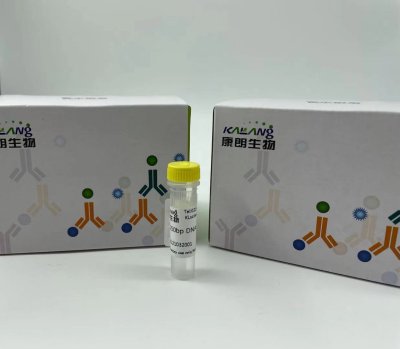
Anti-GNGT1 KL20092-001(50ul)
2021-10-11 -
Anti-GNGT1 antibody(50ul) KL20093-001
2021-10-11 -
α-tubulin mouse Monoclonal Antibody
2021-01-08 -
α-tubulin mouse Monoclonal Antibody(8F11)
2021-01-08
热门标签
- Histone H3 rabbit Polyclonal Antibody Histone H3抗体
- EGFR rabbit Polyclonal Antibody EGFR抗体
- Cy3 Conjugated
- AbFluor™ 555 Conjugated
- AbFluor™ 680 Conjugated
- AbFluor™ 350 Conjugated
- AbFluor™ 647 Conjugated
- AbFluor™ 594 Conjugated
- AbFluor™ 405 Conjugated
- Cy5 Conjugated
- AbFluor™ 488 Conjugated
- Cyclophilin B抗体 Cyclophilin B Monoclonal Antibody(2B10)
- COX IV抗体 COX IV Monoclonal Antibody(6C8)
- PCNA抗体 PCNA Monoclonal Antibody(12D10)
- FAK rabbit Polyclonal Antibody FAK抗体
邮箱:3002763590@qq.com
电话:021-61998208

扫码关注微信公众号