QQ:3002763590


客服电话:021-61998208
我们是专业的科研试剂供应服务商
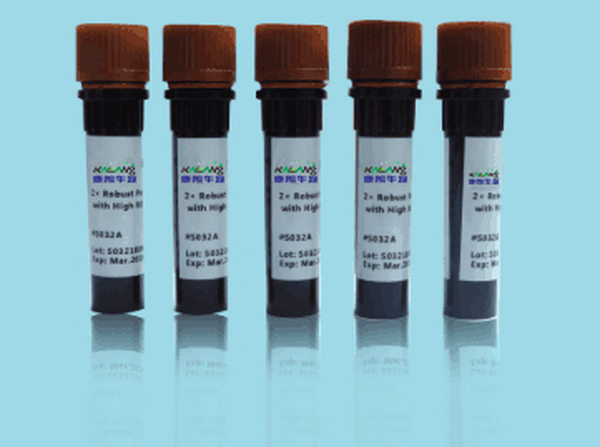
SSR5 rabbit Polyclonal Antibody
SSR5抗体应用:WB 1:500-2000 ELISA 1:5000-20000somatostatin receptor 5(SSTR5) Homo sapiens Somatostatin and its related peptide cortistatin exert multiple biological actions on normal and tumoral tissue targets by interacting with somatostatin receptors (SSTRs). The protein encoded by this gene is one of the SSTRs, which is a multi-pass membrane protein and belongs to the G-protein coupled receptor 1 family. The activity of this receptor is mediated by G proteins which inhibit adenylyl cyclase, and different regions of this receptor molecule are required for the activation of different signaling pathways. A mutation in this gene results in somatostatin analog resistance. Alternatively spliced transcript variants have been identified in this gene.[provided by RefSeq, Feb 2010],
SSRB rabbit Polyclonal Antibody
SSRB抗体应用:WB 1:500-2000 The signal sequence receptor (SSR) is a glycosylated endoplasmic reticulum (ER) membrane receptor associated with protein translocation across the ER membrane. The SSR consists of 2 subunits, a 34-kD glycoprotein (alpha-SSR or SSR1) and a 22-kD glycoprotein (beta-SSR or SSR2). The human beta-signal sequence receptor gene (SSR2) maps to chromosome bands 1q21-q23. [provided by RefSeq, Jul 2008],
SSRG rabbit Polyclonal Antibody
SSRG抗体应用:WB 1:500-2000 ELISA 1:5000-20000signal sequence receptor subunit 3(SSR3) Homo sapiens The signal sequence receptor (SSR) is a glycosylated endoplasmic reticulum (ER) membrane receptor associated with protein translocation across the ER membrane. The SSR is comprised of four membrane proteins/subunits: alpha, beta, gamma, and delta. The first two are glycosylated subunits and the latter two are non-glycosylated subunits. This gene encodes the gamma subunit, which is predicted to span the membrane four times. [provided by RefSeq, Aug 2010],
SSRP1 rabbit Polyclonal Antibody
SSRP1抗体应用:WB 1:500-2000 The protein encoded by this gene is a subunit of a heterodimer that, along with SUPT16H, forms chromatin transcriptional elongation factor FACT. FACT interacts specifically with histones H2A/H2B to effect nucleosome disassembly and transcription elongation. FACT and cisplatin-damaged DNA may be crucial to the anticancer mechanism of cisplatin. This encoded protein contains a high mobility group box which most likely constitutes the structure recognition element for cisplatin-modified DNA. This protein also functions as a co-activator of the transcriptional activator p63. An alternatively spliced transcript variant of this gene has been described, but its full-length nature is not known. [provided by RefSeq, Jul 2008],
SSX2 rabbit Polyclonal Antibody
SSX2抗体应用:WB 1:500-2000 The product of this gene belongs to the family of highly homologous synovial sarcoma X (SSX) breakpoint proteins. These proteins may function as transcriptional repressors. They are also capable of eliciting spontaneous humoral and cellular immune responses in cancer patients, and are potentially useful targets in cancer vaccine-based immunotherapy. This gene, and also the SSX1 and SSX4 family members, have been involved in t(X;18)(p11.2;q11.2) translocations that are characteristically found in all synovial sarcomas. This translocation results in the fusion of the synovial sarcoma translocation gene on chromosome 18 to one of the SSX genes on chromosome X. The encoded hybrid proteins are likely responsible for transforming activity. Alternative splicing of this gene results in multiple transcript variants. This gene also has an identical duplicate, GeneID: 727837, located about 45 kb downstream in the opposite orientation on chromosome X. [provided by RefSeq, Ju
SSX6 rabbit Polyclonal Antibody
SSX6抗体应用:WB 1:500-2000 This gene belongs to the family of highly homologous synovial sarcoma X (SSX) breakpoint proteins. These proteins may function as transcriptional repressors. They are also capable of eliciting spontaneously humoral and cellular immune responses in cancer patients, and are potentially useful targets in cancer vaccine-based immunotherapy. SSX1, SSX2 and SSX4 genes have been involved in the t(X;18) translocation characteristically found in all synovial sarcomas. This gene is classified as a pseudogene because a splice donor in the 3' UTR has changed compared to other family members, rendering the transcript a candidate for nonsense-mediated mRNA decay (NMD). [provided by RefSeq, Aug 2009],
ST17A rabbit Polyclonal Antibody
ST17A抗体应用:WB 1:500-2000 ELISA 1:5000-20000serine/threonine kinase 17a(STK17A) Homo sapiens This gene is a member of the DAP kinase-related apoptosis-inducing protein kinase family and encodes an autophosphorylated nuclear protein with a protein kinase domain. The protein has apoptosis-inducing activity. [provided by RefSeq, Jul 2008],
ST2A1 rabbit Polyclonal Antibody
ST2A1抗体应用:WB 1:500-2000 ELISA 1:5000-20000sulfotransferase family 2A member 1(SULT2A1) Homo sapiens This gene encodes a member of the sulfotransferase family. Sulfotransferases aid in the metabolism of drugs and endogenous compounds by converting these substances into more hydrophilic water-soluble sulfate conjugates that can be easily excreted. This protein catalyzes the sulfation of steroids and bile acids in the liver and adrenal glands, and may have a role in the inherited adrenal androgen excess in women with polycystic ovary syndrome. [provided by RefSeq, Mar 2010],
最新动态
-
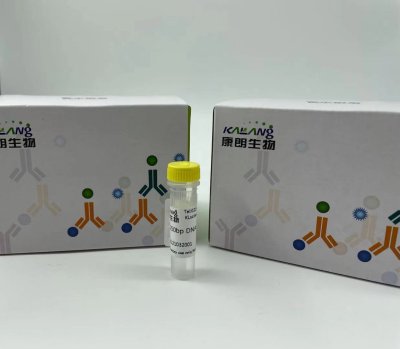
Anti-GNGT1 KL20092-001(50ul)
2021-10-11 -
Anti-GNGT1 antibody(50ul) KL20093-001
2021-10-11 -
α-tubulin mouse Monoclonal Antibody
2021-01-08 -
α-tubulin mouse Monoclonal Antibody(8F11)
2021-01-08
热门标签
- Histone H3 rabbit Polyclonal Antibody Histone H3抗体
- EGFR rabbit Polyclonal Antibody EGFR抗体
- Cy3 Conjugated
- AbFluor™ 555 Conjugated
- AbFluor™ 680 Conjugated
- AbFluor™ 350 Conjugated
- AbFluor™ 647 Conjugated
- AbFluor™ 594 Conjugated
- AbFluor™ 405 Conjugated
- Cy5 Conjugated
- AbFluor™ 488 Conjugated
- Cyclophilin B抗体 Cyclophilin B Monoclonal Antibody(2B10)
- COX IV抗体 COX IV Monoclonal Antibody(6C8)
- PCNA抗体 PCNA Monoclonal Antibody(12D10)
- FAK rabbit Polyclonal Antibody FAK抗体
邮箱:3002763590@qq.com
电话:021-61998208

扫码关注微信公众号