QQ:3002763590


客服电话:021-61998208
我们是专业的科研试剂供应服务商
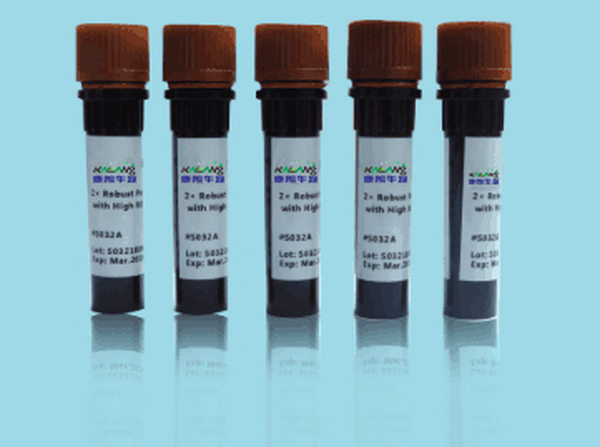
SYGP1 rabbit Polyclonal Antibody
SYGP1抗体应用:WB 1:500-2000 ELISA 1:5000-20000synaptic Ras GTPase activating protein 1(SYNGAP1) Homo sapiens The protein encoded by this gene is a major component of the postsynaptic density (PSD), a group of proteins found associated with NMDA receptors at synapses. The encoded protein is phosphorylated by calmodulin-dependent protein kinase II and dephosphorylated by NMDA receptor activation. Defects in this gene are a cause of mental retardation autosomal dominant type 5 (MRD5). [provided by RefSeq, Dec 2009],
SYN2 rabbit Polyclonal Antibody
SYN2抗体应用:WB 1:500-2000 ELISA 1:5000-20000synapsin II(SYN2) Homo sapiens This gene is a member of the synapsin gene family. Synapsins encode neuronal phosphoproteins which associate with the cytoplasmic surface of synaptic vesicles. Family members are characterized by common protein domains, and they are implicated in synaptogenesis and the modulation of neurotransmitter release, suggesting a potential role in several neuropsychiatric diseases. This member of the synapsin family encodes a neuron-specific phosphoprotein that selectively binds to small synaptic vesicles in the presynaptic nerve terminal. Polymorphisms in this gene are associated with abnormal presynaptic function and related neuronal disorders, including autism, epilepsy, bipolar disorder and schizophrenia. Alternative splicing of this gene results in multiple transcript variants. The tissue inhibitor of metalloproteinase 4 gene is located within an intron of this gene and is transcribed in the opposite direction.
SYN3 rabbit Polyclonal Antibody
SYN3抗体应用:WB 1:500-2000 ELISA 1:5000-20000synapsin III(SYN3) Homo sapiens This gene is a member of the synapsin gene family. Synapsins encode neuronal phosphoproteins which associate with the cytoplasmic surface of synaptic vesicles. Family members are characterized by common protein domains, and they are implicated in synaptogenesis and the modulation of neurotransmitter release, suggesting a potential role in several neuropsychiatric diseases. The protein encoded by this gene shares the synapsin family domain model, with domains A, C, and E exhibiting the highest degree of conservation. The protein contains a unique domain J, located between domains C and E. Based on this gene's localization to 22q12.3, a possible schizophrenia susceptibility locus, and the established neurobiological roles of the synapsins, this family member may represent a candidate gene for schizophrenia. The TIMP3 gene is located within an intron of this gene and is transcribed in the opposite directi
SYNE2 rabbit Polyclonal Antibody
SYNE2抗体应用:IHC-p 1:50-300spectrin repeat containing nuclear envelope protein 2(SYNE2) Homo sapiens The protein encoded by this gene is a nuclear outer membrane protein that binds cytoplasmic F-actin. This binding tethers the nucleus to the cytoskeleton and aids in the maintenance of the structural integrity of the nucleus. Several transcript variants encoding different isoforms have been found for this gene. [provided by RefSeq, Mar 2009],
SYT12 rabbit Polyclonal Antibody
SYT12抗体应用:WB 1:500-2000 ELISA 1:5000-20000synaptotagmin 12(SYT12) Homo sapiens This gene is a member of the synaptotagmin gene family and encodes a protein similar to other family members that mediate calcium-dependent regulation of membrane trafficking in synaptic transmission. Studies of the orthologous gene in rat have shown that the encoded protein selectively modulates spontaneous synaptic-vesicle exocytosis and may also be involved in regulating calcium independent secretion in nonneuronal cells. Alternative splicing results in multiple transcript variants. The gene has previously been referred to as synaptotagmin XI but has been renamed synaptotagmin XII to be standard with mouse and rat official nomenclature.[provided by RefSeq, Apr 2010],
SYT14 rabbit Polyclonal Antibody
SYT14抗体应用:WB 1:500-2000 ELISA 1:5000-20000synaptotagmin 14(SYT14) Homo sapiens This gene is a member of the synaptotagmin gene family and encodes a protein similar to other family members that mediate membrane trafficking in synaptic transmission. The encoded protein is a calcium-independent synaptotagmin. Mutations in this gene are a cause of autosomal recessive spinocerebellar ataxia-11 (SCAR11), and a t(1;3) translocation of this gene has been associated with neurodevelopmental abnormalities. Alternatively spliced transcript variants encoding multiple isoforms have been observed for this gene, and a pseudogene of this gene is located on the long arm of chromosome 4. [provided by RefSeq, Dec 2011],
SYT15 rabbit Polyclonal Antibody
SYT15抗体应用:WB 1:500-2000 ELISA 1:5000-20000synaptotagmin 15(SYT15) Homo sapiens This gene encodes a member of the Synaptotagmin (Syt) family of membrane trafficking proteins. Members of this family contain a transmembrane region and a C-terminal-type tandem C2 domain. Unlike related family members, the encoded protein may be involved in membrane trafficking in non-neuronal tissues. Two trancript variants encoding distinct isoforms have been identified for this gene. [provided by RefSeq, Jul 2008],
SYT2 rabbit Polyclonal Antibody
SYT2抗体应用:WB 1:500-2000 ELISA 1:5000-20000synaptotagmin 2(SYT2) Homo sapiens This gene encodes a synaptic vesicle membrane protein. The encoded protein is thought to function as a calcium sensor in vesicular trafficking and exocytosis. Mutations in this gene are associated with myasthenic syndrome, presynaptic, congenital, with or without motor neuropathy. Alternative splicing results in multiple transcript variants. [provided by RefSeq, Oct 2014],
SYT3 rabbit Polyclonal Antibody
SYT3抗体应用:WB 1:500-2000 ELISA 1:5000-20000cofactor:Binds 3 calcium ions per subunit. The ions are bound to the C2 domains.,domain:The first C2 domain mediates Ca(2+)-dependent phospholipid binding.,function:May be involved in Ca(2+)-dependent exocytosis of secretory vesicles through Ca(2+) and phospholipid binding to the C2 domain or may serve as Ca(2+) sensors in the process of vesicular trafficking and exocytosis.,similarity:Belongs to the synaptotagmin family.,similarity:Contains 2 C2 domains.,subunit:Homodimer. Can also form heterodimers.,
SYT4 rabbit Polyclonal Antibody
SYT4抗体应用:WB 1:500-2000 ELISA 1:5000-20000cofactor:Binds 3 calcium ions per subunit. The ions are bound to the C2 domains.,function:May be involved in Ca(2+)-dependent exocytosis of secretory vesicles through Ca(2+) and phospholipid binding to the C2 domain or may serve as Ca(2+) sensors in the process of vesicular trafficking and exocytosis.,similarity:Belongs to the synaptotagmin family.,similarity:Contains 2 C2 domains.,tissue specificity:Expressed in brain. Within brain, expression is highest in hippocampus, with substantial levels also detected in amygdala and thalamus.,
最新动态
-
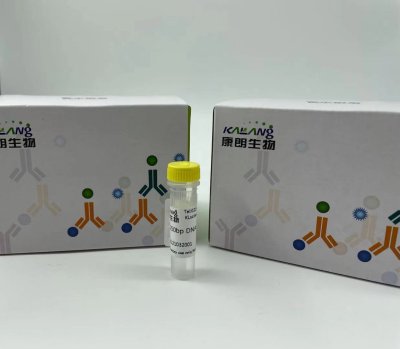
Anti-GNGT1 KL20092-001(50ul)
2021-10-11 -
Anti-GNGT1 antibody(50ul) KL20093-001
2021-10-11 -
α-tubulin mouse Monoclonal Antibody
2021-01-08 -
α-tubulin mouse Monoclonal Antibody(8F11)
2021-01-08
热门标签
- Histone H3 rabbit Polyclonal Antibody Histone H3抗体
- EGFR rabbit Polyclonal Antibody EGFR抗体
- Cy3 Conjugated
- AbFluor™ 555 Conjugated
- AbFluor™ 680 Conjugated
- AbFluor™ 350 Conjugated
- AbFluor™ 647 Conjugated
- AbFluor™ 594 Conjugated
- AbFluor™ 405 Conjugated
- Cy5 Conjugated
- AbFluor™ 488 Conjugated
- Cyclophilin B抗体 Cyclophilin B Monoclonal Antibody(2B10)
- COX IV抗体 COX IV Monoclonal Antibody(6C8)
- PCNA抗体 PCNA Monoclonal Antibody(12D10)
- FAK rabbit Polyclonal Antibody FAK抗体
邮箱:3002763590@qq.com
电话:021-61998208

扫码关注微信公众号