QQ:3002763590


客服电话:021-61998208
我们是专业的科研试剂供应服务商
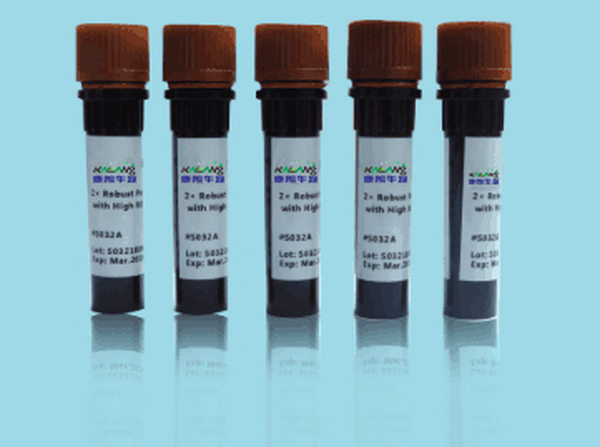
MAL rabbit Polyclonal Antibody
MAL抗体应用:WB 1:500-2000 ELISA 1:5000-20000mal, T-cell differentiation protein(MAL) Homo sapiens The protein encoded by this gene is a highly hydrophobic integral membrane protein belonging to the MAL family of proteolipids. The protein has been localized to the endoplasmic reticulum of T-cells and is a candidate linker protein in T-cell signal transduction. In addition, this proteolipid is localized in compact myelin of cells in the nervous system and has been implicated in myelin biogenesis and/or function. The protein plays a role in the formation, stabilization and maintenance of glycosphingolipid-enriched membrane microdomains. Down-regulation of this gene has been associated with a variety of human epithelial malignancies. Alternative splicing produces four transcript variants which vary from each other by the presence or absence of alternatively spliced exons 2 and 3. [provided by RefSeq, May 2012],
MALD2 rabbit Polyclonal Antibody
MALD2抗体应用:WB 1:500-2000 ELISA 1:5000-20000MARVEL domain containing 2(MARVELD2) Homo sapiens The protein encoded by this gene is a membrane protein found at the tight junctions between epithelial cells. The encoded protein helps establish epithelial barriers such as those in the organ of Corti, where these barriers are required for normal hearing. Defects in this gene are a cause of deafness autosomal recessive type 49 (DFNB49). Two transcript variants encoding different isoforms have been found for this gene. [provided by RefSeq, Sep 2011],
MAMD1 rabbit Polyclonal Antibody
MAMD1抗体应用:WB 1:500-2000This gene encodes a mastermind-like domain containing protein. This protein may function as a transcriptional co-activator. Mutations in this gene are the cause of X-linked hypospadias type 2. Alternate splicing results in multiple transcript variants. [provided by RefSeq, Apr 2010],
MAML2 rabbit Polyclonal Antibody
MAML2抗体应用:WB 1:500-2000 ELISA 1:5000-20000mastermind like transcriptional coactivator 2(MAML2) Homo sapiens The protein encoded by this gene is a member of the Mastermind-like family of proteins. All family members are proline and glutamine-rich, and contain a conserved basic domain that binds the ankyrin repeat domain of the intracellular domain of the Notch receptors (ICN1-4) in their N-terminus, and a transcriptional activation domain in their C-terminus. This protein binds to an extended groove that is formed by the interaction of CBF1, Suppressor of Hairless, LAG-1 (CSL) with ICN, and positively regulates Notch signaling. High levels of expression of this gene have been observed in several B cell-derived lymphomas. Translocations resulting in fusion proteins with both CRTC1 and CRTC3 have been implicated in the development of mucoepidermoid carcinomas, while a translocation event with CXCR4 has been linked with chronic lymphocytic leukemia (CLL). Copy number variation in the p
MAP1A rabbit Polyclonal Antibody
MAP1A抗体应用:IHC-p 1:50-300microtubule associated protein 1A(MAP1A) Homo sapiens This gene encodes a protein that belongs to the microtubule-associated protein family. The proteins of this family are thought to be involved in microtubule assembly, which is an essential step in neurogenesis. The product of this gene is a precursor polypeptide that presumably undergoes proteolytic processing to generate the final MAP1A heavy chain and LC2 light chain. Expression of this gene is almost exclusively in the brain. Studies of the rat microtubule-associated protein 1A gene suggested a role in early events of spinal cord development. [provided by RefSeq, Jul 2008],
MAP1B rabbit Polyclonal Antibody
MAP1B抗体应用:IHC-p 1:50-300microtubule associated protein 1B(MAP1B) Homo sapiens This gene encodes a protein that belongs to the microtubule-associated protein family. The proteins of this family are thought to be involved in microtubule assembly, which is an essential step in neurogenesis. The product of this gene is a precursor polypeptide that presumably undergoes proteolytic processing to generate the final MAP1B heavy chain and LC1 light chain. Gene knockout studies of the mouse microtubule-associated protein 1B gene suggested an important role in development and function of the nervous system. [provided by RefSeq, Jul 2008],
MARCO rabbit Polyclonal Antibody
MARCO抗体应用:WB 1:500-2000 ELISA 1:5000-20000macrophage receptor with collagenous structure(MARCO) Homo sapiens The protein encoded by this gene is a member of the class A scavenger receptor family and is part of the innate antimicrobial immune system. The protein may bind both Gram-negative and Gram-positive bacteria via an extracellular, C-terminal, scavenger receptor cysteine-rich (SRCR) domain. In addition to short cytoplasmic and transmembrane domains, there is an extracellular spacer domain and a long, extracellular collagenous domain. The protein may form a trimeric molecule by the association of the collagenous domains of three identical polypeptide chains. [provided by RefSeq, Jul 2008],
MARE2 rabbit Polyclonal Antibody
MARE2抗体应用:WB 1:500-2000 ELISA 1:5000-20000microtubule associated protein RP/EB family member 2(MAPRE2) Homo sapiens The protein encoded by this gene shares significant homology to the adenomatous polyposis coli (APC) protein-binding EB1 gene family. This protein is a microtubule-associated protein that is necessary for spindle symmetry during mitosis. It is thought to play a role in the tumorigenesis of colorectal cancers and the proliferative control of normal cells. Alternative splicing of this gene results in multiple transcript variants. [provided by RefSeq, Jan 2012],
最新动态
-
Anti-GNGT1 KL20092-001(50ul)
2021-10-11 -
Anti-GNGT1 antibody(50ul) KL20093-001
2021-10-11 -

骨组织快速脱钙液Ⅰ
2021-09-07 -
外泌体(exosomes)染色试剂盒
2021-09-07 -
外泌体(exosomes)吸附抑制剂
2021-09-07
热门标签
- Histone H3 rabbit Polyclonal Antibody Histone H3抗体
- EGFR rabbit Polyclonal Antibody EGFR抗体
- Cy3 Conjugated
- AbFluor™ 555 Conjugated
- AbFluor™ 680 Conjugated
- AbFluor™ 350 Conjugated
- AbFluor™ 647 Conjugated
- AbFluor™ 594 Conjugated
- AbFluor™ 405 Conjugated
- Cy5 Conjugated
- AbFluor™ 488 Conjugated
- Cyclophilin B抗体 Cyclophilin B Monoclonal Antibody(2B10)
- COX IV抗体 COX IV Monoclonal Antibody(6C8)
- PCNA抗体 PCNA Monoclonal Antibody(12D10)
- FAK rabbit Polyclonal Antibody FAK抗体
邮箱:3002763590@qq.com
电话:021-61998208

扫码关注微信公众号