QQ:3002763590


客服电话:021-61998208
我们是专业的科研试剂供应服务商
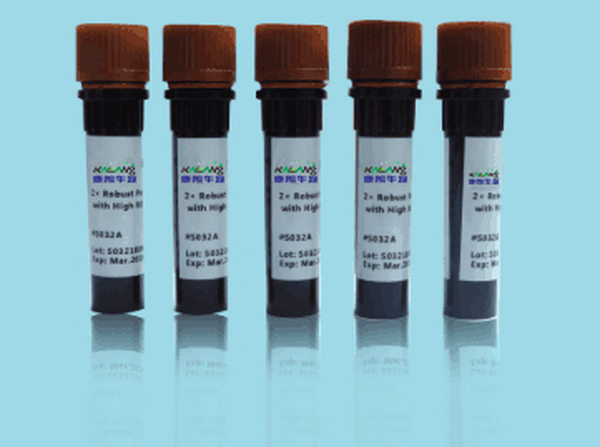
BL1S3 rabbit Polyclonal Antibody
BL1S3抗体应用:WB 1:500-2000This gene encodes a protein that is a component of the BLOC1 multi-subunit protein complex. This complex is necessary for the biogenesis of specialized organelles of the endosomal-lysosomal system, including platelet dense granules and melanosomes. Mutations in this gene cause Hermansky-Pudlak syndrome 8, a disease characterized by lysosomal storage defects, bleeding due to platelet storage pool deficiency, and oculocutaneous albinism. [provided by RefSeq, Jul 2008],
BLBP rabbit Polyclonal Antibody
BLBP抗体应用:WB 1:500-2000, ELISA 1:10000-20000fatty acid binding protein 7(FABP7) Homo sapiens The gene encodes a small, highly conserved cytoplasmic protein that bind long-chain fatty acids and other hydrophobic ligands. The encoded protein is important in the establishment of the radial glial fiber in the developing brain. Alternative splicing and promoter usage results in multiple transcript variants encoding different isoforms. Pseudogenes of this gene are found on multiple chromosomes. [provided by RefSeq, Jan 2016],
BLC rabbit Polyclonal Antibody
BLC抗体应用:Western Blot: 1/500 - 1/2000. IHC-p: 1:100-300 ELISA: 1/20000.C-X-C motif chemokine ligand 13(CXCL13) Homo sapiens B lymphocyte chemoattractant, independently cloned and named Angie, is an antimicrobial peptide and CXC chemokine strongly expressed in the follicles of the spleen, lymph nodes, and Peyer's patches. It preferentially promotes the migration of B lymphocytes (compared to T cells and macrophages), apparently by stimulating calcium influx into, and chemotaxis of, cells expressing Burkitt's lymphoma receptor 1 (BLR-1). It may therefore function in the homing of B lymphocytes to follicles. [provided by RefSeq, Oct 2014],
Blk rabbit Polyclonal Antibody
Blk抗体应用:Immunohistochemistry: 1/100 - 1/300. ELISA: 1/40000.BLK proto-oncogene, Src family tyrosine kinase(BLK) Homo sapiens This gene encodes a nonreceptor tyrosine-kinase of the src family of proto-oncogenes that are typically involved in cell proliferation and differentiation. The protein has a role in B-cell receptor signaling and B-cell development. The protein also stimulates insulin synthesis and secretion in response to glucose and enhances the expression of several pancreatic beta-cell transcription factors. [provided by RefSeq, Aug 2010],
BLM rabbit Polyclonal Antibody
BLM抗体应用:Immunohistochemistry: 1/100 - 1/300. Immunofluorescence: 1/200 - 1/1000. ELISA: 1/5000.Bloom syndrome RecQ like helicase(BLM) Homo sapiens The Bloom syndrome gene product is related to the RecQ subset of DExH box-containing DNA helicases and has both DNA-stimulated ATPase and ATP-dependent DNA helicase activities. Mutations causing Bloom syndrome delete or alter helicase motifs and may disable the 3'-5' helicase activity. The normal protein may act to suppress inappropriate recombination. [provided by RefSeq, Jul 2008],
BLMH rabbit Polyclonal Antibody
BLMH抗体应用:WB 1:500-2000Bleomycin hydrolase (BMH) is a cytoplasmic cysteine peptidase that is highly conserved through evolution; however, the only known activity of the enzyme is metabolic inactivation of the glycopeptide bleomycin (BLM), an essential component of combination chemotherapy regimens for cancer. The protein contains the signature active site residues of the cysteine protease papain superfamily. [provided by RefSeq, Jul 2008],
BLNK rabbit Polyclonal Antibody
BLNK抗体应用:Western Blot: 1/500 - 1/2000. Immunohistochemistry: 1/100 - 1/300. ELISA: 1/20000.B-cell linker(BLNK) Homo sapiens This gene encodes a cytoplasmic linker or adaptor protein that plays a critical role in B cell development. This protein bridges B cell receptor-associated kinase activation with downstream signaling pathways, thereby affecting various biological functions. The phosphorylation of five tyrosine residues is necessary for this protein to nucleate distinct signaling effectors following B cell receptor activation. Mutations in this gene cause hypoglobulinemia and absent B cells, a disease in which the pro- to pre-B-cell transition is developmentally blocked. Deficiency in this protein has also been shown in some cases of pre-B acute lymphoblastic leukemia. Alternatively spliced transcript variants have been found for this gene. [provided by RefSeq, May 2012],
Blr1 rabbit Polyclonal Antibody
Blr1抗体应用:WB 1:500-2000 ELISA 1:5000-20000C-X-C motif chemokine receptor 5(CXCR5) Homo sapiens This gene encodes a multi-pass membrane protein that belongs to the CXC chemokine receptor family. It is expressed in mature B-cells and Burkitt's lymphoma. This cytokine receptor binds to B-lymphocyte chemoattractant (BLC), and is involved in B-cell migration into B-cell follicles of spleen and Peyer patches. Alternatively spliced transcript variants encoding different isoforms have been described for this gene. [provided by RefSeq, Aug 2011],
BM28 rabbit Polyclonal Antibody
BM28抗体应用:Western Blot: 1/500 - 1/2000. Immunohistochemistry: 1/100 - 1/300. Immunofluorescence: 1/200 - 1/1000. ELISA: 1/40000.minichromosome maintenance complex component 2(MCM2) Homo sapiens The protein encoded by this gene is one of the highly conserved mini-chromosome maintenance proteins (MCM) that are involved in the initiation of eukaryotic genome replication. The hexameric protein complex formed by MCM proteins is a key component of the pre-replication complex (pre_RC) and may be involved in the formation of replication forks and in the recruitment of other DNA replication related proteins. This protein forms a complex with MCM4, 6, and 7, and has been shown to regulate the helicase activity of the complex. This protein is phosphorylated, and thus regulated by, protein kinases CDC2 and CDC7. Multiple alternatively spliced transcript variants have been found, but the full-length nature of some variants has not been defined. [provided by RefSeq, Oct 2012],
BM88 rabbit Polyclonal Antibody
BM88抗体应用:Immunohistochemistry: 1/100 - 1/300. ELISA: 1/5000.cell cycle exit and neuronal differentiation 1(CEND1) Homo sapiens The protein encoded by this gene is a neuron-specific protein. The similar protein in pig enhances neuroblastoma cell differentiation in vitro and may be involved in neuronal differentiation in vivo. Multiple pseudogenes have been reported for this gene. [provided by RefSeq, Jul 2008],
最新动态
-
Anti-GNGT1 KL20092-001(50ul)
2021-10-11 -
Anti-GNGT1 antibody(50ul) KL20093-001
2021-10-11 -

骨组织快速脱钙液Ⅰ
2021-09-07 -
外泌体(exosomes)染色试剂盒
2021-09-07 -
外泌体(exosomes)吸附抑制剂
2021-09-07
热门标签
- Histone H3 rabbit Polyclonal Antibody Histone H3抗体
- EGFR rabbit Polyclonal Antibody EGFR抗体
- Cy3 Conjugated
- AbFluor™ 555 Conjugated
- AbFluor™ 680 Conjugated
- AbFluor™ 350 Conjugated
- AbFluor™ 647 Conjugated
- AbFluor™ 594 Conjugated
- AbFluor™ 405 Conjugated
- Cy5 Conjugated
- AbFluor™ 488 Conjugated
- Cyclophilin B抗体 Cyclophilin B Monoclonal Antibody(2B10)
- COX IV抗体 COX IV Monoclonal Antibody(6C8)
- PCNA抗体 PCNA Monoclonal Antibody(12D10)
- FAK rabbit Polyclonal Antibody FAK抗体
邮箱:3002763590@qq.com
电话:021-61998208

扫码关注微信公众号