QQ:3002763590


客服电话:021-61998208
我们是专业的科研试剂供应服务商
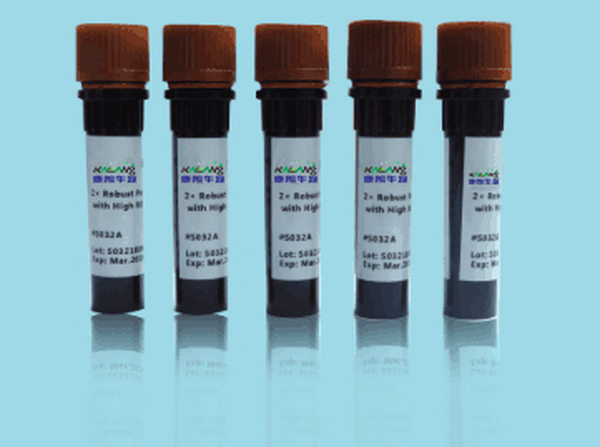
CX7A1 rabbit Polyclonal Antibody
CX7A1抗体应用:IHC-p 1:50-200 Cytochrome c oxidase (COX), the terminal component of the mitochondrial respiratory chain, catalyzes the electron transfer from reduced cytochrome c to oxygen. This component is a heteromeric complex consisting of 3 catalytic subunits encoded by mitochondrial genes and multiple structural subunits encoded by nuclear genes. The mitochondrially-encoded subunits function in electron transfer, and the nuclear-encoded subunits may function in the regulation and assembly of the complex. This nuclear gene encodes polypeptide 1 (muscle isoform) of subunit VIIa and the polypeptide 1 is present only in muscle tissues. Other polypeptides of subunit VIIa are present in both muscle and nonmuscle tissues, and are encoded by different genes. [provided by RefSeq, Jul 2008],
CXCR-3 rabbit Polyclonal Antibody
CXCR-3抗体应用:Western Blot: 1/500 - 1/2000. IHC-p: 1:100-300 ELISA: 1/20000. C-X-C motif chemokine receptor 3(CXCR3) Homo sapiens This gene encodes a G protein-coupled receptor with selectivity for three chemokines, termed CXCL9/Mig (monokine induced by interferon-g), CXCL10/IP10 (interferon-g-inducible 10 kDa protein) and CXCL11/I-TAC (interferon-inducible T cell a-chemoattractant). Binding of chemokines to this protein induces cellular responses that are involved in leukocyte traffic, most notably integrin activation, cytoskeletal changes and chemotactic migration. Alternatively spliced transcript variants encoding different isoforms have been found for this gene. One of the isoforms (CXCR3-B) shows high affinity binding to chemokine, CXCL4/PF4 (PMID:12782716). [provided by RefSeq, Jun 2011],
CXCR-3 rabbit Polyclonal Antibody
CXCR-3抗体应用:Western Blot: 1/500 - 1/2000. ELISA: 1/5000. C-X-C motif chemokine receptor 3(CXCR3) Homo sapiens This gene encodes a G protein-coupled receptor with selectivity for three chemokines, termed CXCL9/Mig (monokine induced by interferon-g), CXCL10/IP10 (interferon-g-inducible 10 kDa protein) and CXCL11/I-TAC (interferon-inducible T cell a-chemoattractant). Binding of chemokines to this protein induces cellular responses that are involved in leukocyte traffic, most notably integrin activation, cytoskeletal changes and chemotactic migration. Alternatively spliced transcript variants encoding different isoforms have been found for this gene. One of the isoforms (CXCR3-B) shows high affinity binding to chemokine, CXCL4/PF4 (PMID:12782716). [provided by RefSeq, Jun 2011],
CXCR-7 rabbit Polyclonal Antibody
CXCR-7抗体应用:Western Blot: 1/500 - 1/2000. Immunofluorescence: 1/200 - 1/1000. ELISA: 1/20000. atypical chemokine receptor 3(ACKR3) Homo sapiens This gene encodes a member of the G-protein coupled receptor family. Although this protein was earlier thought to be a receptor for vasoactive intestinal peptide (VIP), it is now considered to be an orphan receptor, in that its endogenous ligand has not been identified. The protein is also a coreceptor for human immunodeficiency viruses (HIV). Translocations involving this gene and HMGA2 on chromosome 12 have been observed in lipomas. [provided by RefSeq, Jul 2008],
CXXC4 rabbit Polyclonal Antibody
CXXC4抗体应用:WB 1:500-2000This gene encodes a CXXC-type zinc finger domain-containing protein that functions as an antagonist of the canonical wingless/integrated signaling pathway. The encoded protein negatively regulates wingless/integrated signaling through interaction with the post synaptic density protein/ Drosophila disc large tumor suppressor/ zonula occludens-1 protein domain of Dishevelled, a scaffolding protein required for the stabilization of the transcriptional co-activator beta-catenin. In addition, the CXXC domain of this protein has been shown to bind unmethylated CpG dinucleotides, localize to promoters and CpG islands, and interact with the catalytic domain of methylcytosine dioxygenase ten-eleven-translocation 2, an iron and alpha-ketoglutarate-dependent dioxygenase that modifies the methylation status of DNA. In humans, a mutation in this gene has been associated with development of malignant renal cell carcinoma. Alternative splicing results in multiple transcript var
CYB5R1 rabbit Polyclonal Antibody
CYB5R1抗体应用:Western Blot: 1/500 - 1/2000. ELISA: 1/20000.catalytic activity:NADH + 2 ferricytochrome b5 = NAD(+) + H(+) + 2 ferrocytochrome b5.,cofactor:FAD.,function:NADH-cytochrome b5 reductases are involved in desaturation and elongation of fatty acids, cholesterol biosynthesis, drug metabolism, and, in erythrocyte, methemoglobin reduction.,similarity:Belongs to the flavoprotein pyridine nucleotide cytochrome reductase family.,similarity:Contains 1 FAD-binding FR-type domain.,tissue specificity:Widely expressed.,
CYB5R3 rabbit Polyclonal Antibody
CYB5R3抗体应用:Western Blot: 1/500 - 1/2000. Immunohistochemistry: 1/100 - 1/300. ELISA: 1/40000. cytochrome b5 reductase 3(CYB5R3) Homo sapiens This gene encodes cytochrome b5 reductase, which includes a membrane-bound form in somatic cells (anchored in the endoplasmic reticulum, mitochondrial and other membranes) and a soluble form in erythrocytes. The membrane-bound form exists mainly on the cytoplasmic side of the endoplasmic reticulum and functions in desaturation and elongation of fatty acids, in cholesterol biosynthesis, and in drug metabolism. The erythrocyte form is located in a soluble fraction of circulating erythrocytes and is involved in methemoglobin reduction. The membrane-bound form has both membrane-binding and catalytic domains, while the soluble form has only the catalytic domain. Alternate splicing results in multiple transcript variants. Mutations in this gene cause methemoglobinemias. [provided by RefSeq, Jan 2010],
CYBR1 rabbit Polyclonal Antibody
CYBR1抗体应用:WB 1:500-2000 This gene is a member of the cytochrome b(561) family that encodes an iron-regulated protein. It highly expressed in the duodenal brush border membrane. It has ferric reductase activity and is believed to play a physiological role in dietary iron absorption. [provided by RefSeq, Jul 2008],
最新动态
-
Anti-GNGT1 KL20092-001(50ul)
2021-10-11 -
Anti-GNGT1 antibody(50ul) KL20093-001
2021-10-11 -

骨组织快速脱钙液Ⅰ
2021-09-07 -
外泌体(exosomes)染色试剂盒
2021-09-07 -
外泌体(exosomes)吸附抑制剂
2021-09-07
热门标签
- Histone H3 rabbit Polyclonal Antibody Histone H3抗体
- EGFR rabbit Polyclonal Antibody EGFR抗体
- Cy3 Conjugated
- AbFluor™ 555 Conjugated
- AbFluor™ 680 Conjugated
- AbFluor™ 350 Conjugated
- AbFluor™ 647 Conjugated
- AbFluor™ 594 Conjugated
- AbFluor™ 405 Conjugated
- Cy5 Conjugated
- AbFluor™ 488 Conjugated
- Cyclophilin B抗体 Cyclophilin B Monoclonal Antibody(2B10)
- COX IV抗体 COX IV Monoclonal Antibody(6C8)
- PCNA抗体 PCNA Monoclonal Antibody(12D10)
- FAK rabbit Polyclonal Antibody FAK抗体
邮箱:3002763590@qq.com
电话:021-61998208

扫码关注微信公众号