QQ:3002763590


客服电话:021-61998208
我们是专业的科研试剂供应服务商
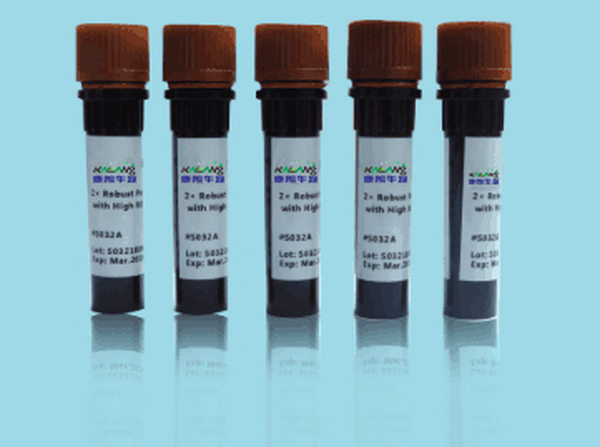
FGF-4 rabbit Polyclonal Antibody
FGF-4抗体应用:Western Blot: 1/500 - 1/2000. ELISA: 1/10000. fibroblast growth factor 4(FGF4) Homo sapiens The protein encoded by this gene is a member of the fibroblast growth factor (FGF) family. FGF family members possess broad mitogenic and cell survival activities and are involved in a variety of biological processes including embryonic development, cell growth, morphogenesis, tissue repair, tumor growth and invasion. This gene was identified by its oncogenic transforming activity. This gene and FGF3, another oncogenic growth factor, are located closely on chromosome 11. Co-amplification of both genes was found in various kinds of human tumors. Studies on the mouse homolog suggested a function in bone morphogenesis and limb development through the sonic hedgehog (SHH) signaling pathway. [provided by RefSeq, Jul 2008],
FGF-5 rabbit Polyclonal Antibody
FGF-5抗体应用:Western Blot: 1/500 - 1/2000. IHC-p: 1:100-300 ELISA: 1/20000fibroblast growth factor 5(FGF5) Homo sapiens The protein encoded by this gene is a member of the fibroblast growth factor (FGF) family. FGF family members possess broad mitogenic and cell survival activities, and are involved in a variety of biological processes, including embryonic development, cell growth, morphogenesis, tissue repair, tumor growth and invasion. This gene was identified as an oncogene, which confers transforming potential when transfected into mammalian cells. Targeted disruption of the homolog of this gene in mouse resulted in the phenotype of abnormally long hair, which suggested a function as an inhibitor of hair elongation. Alternatively spliced transcript variants encoding different isoforms have been identified. [provided by RefSeq, Jul 2008],
FGF-6 rabbit Polyclonal Antibody
FGF-6抗体应用:Western Blot: 1/500 - 1/2000. ELISA: 1/20000. fibroblast growth factor 6(FGF6) Homo sapiens The protein encoded by this gene is a member of the fibroblast growth factor (FGF) family. FGF family members possess broad mitogenic and cell survival activities, and are involved in a variety of biological processes, including embryonic development, cell growth, morphogenesis, tissue repair, tumor growth and invasion. This gene displayed oncogenic transforming activity when transfected into mammalian cells. The mouse homolog of this gene exhibits a restricted expression profile predominantly in the myogenic lineage, which suggested a role in muscle regeneration or differentiation. [provided by RefSeq, Jul 2008],
FGF-8 rabbit Polyclonal Antibody
FGF-8抗体应用:Western Blot: 1/500 - 1/2000. ELISA: 1/20000. fibroblast growth factor 8(FGF8) Homo sapiens The protein encoded by this gene is a member of the fibroblast growth factor (FGF) family. FGF family members possess broad mitogenic and cell survival activities, and are involved in a variety of biological processes, including embryonic development, cell growth, morphogenesis, tissue repair, tumor growth and invasion. This protein is known to be a factor that supports androgen and anchorage independent growth of mammary tumor cells. Overexpression of this gene has been shown to increase tumor growth and angiogensis. The adult expression of this gene is restricted to testes and ovaries. Temporal and spatial pattern of this gene expression suggests its function as an embryonic epithelial factor. Studies of the mouse and chick homologs revealed roles in midbrain and limb development, organogenesis, embryo gastrulation and left-right axis determination. The alternative splicing of this g
FGF-9 rabbit Polyclonal Antibody
FGF-9抗体应用:Western Blot: 1/500 - 1/2000. IHC-p: 1:100-300 ELISA: 1/20000. fibroblast growth factor 9(FGF9) Homo sapiens The protein encoded by this gene is a member of the fibroblast growth factor (FGF) family. FGF family members possess broad mitogenic and cell survival activities, and are involved in a variety of biological processes, including embryonic development, cell growth, morphogenesis, tissue repair, tumor growth and invasion. This protein was isolated as a secreted factor that exhibits a growth-stimulating effect on cultured glial cells. In nervous system, this protein is produced mainly by neurons and may be important for glial cell development. Expression of the mouse homolog of this gene was found to be dependent on Sonic hedgehog (Shh) signaling. Mice lacking the homolog gene displayed a male-to-female sex reversal phenotype, which suggested a role in testicular embryogenesis. [provided by RefSeq, Jul 2008],
FGF-BP2 rabbit Polyclonal Antibody
FGF-BP2抗体应用:Western Blot: 1/500 - 1/2000. ELISA: 1/40000. fibroblast growth factor binding protein 2(FGFBP2) Homo sapiens This gene encodes a member of the fibroblast growth factor binding protein family. The encoded protein is a serum protein that is selectively secreted by cytotoxic lymphocytes and may be involved in cytotoxic lymphocyte-mediated immunity. An increase in the amount of gene product may be associated with atopic asthma and mild extrinsic asthma.[provided by RefSeq Staff, Oct 2008],
FGFR-3 rabbit Polyclonal Antibody
FGFR-3抗体应用:Western Blot: 1/500 - 1/2000. Immunohistochemistry: 1/100 - 1/300. ELISA: 1/10000. fibroblast growth factor receptor 3(FGFR3) Homo sapiens This gene encodes a member of the fibroblast growth factor receptor (FGFR) family, with its amino acid sequence being highly conserved between members and among divergent species. FGFR family members differ from one another in their ligand affinities and tissue distribution. A full-length representative protein would consist of an extracellular region, composed of three immunoglobulin-like domains, a single hydrophobic membrane-spanning segment and a cytoplasmic tyrosine kinase domain. The extracellular portion of the protein interacts with fibroblast growth factors, setting in motion a cascade of downstream signals, ultimately influencing mitogenesis and differentiation. This particular family member binds acidic and basic fibroblast growth hormone and plays a role in bone development and maintenance. Mutations in this gene lead to crani
FGFR-4 rabbit Polyclonal Antibody
FGFR-4抗体应用:Western Blot: 1/500 - 1/2000. ELISA: 1/10000. fibroblast growth factor receptor 4(FGFR4) Homo sapiens The protein encoded by this gene is a member of the fibroblast growth factor receptor family, where amino acid sequence is highly conserved between members and throughout evolution. FGFR family members differ from one another in their ligand affinities and tissue distribution. A full-length representative protein would consist of an extracellular region, composed of three immunoglobulin-like domains, a single hydrophobic membrane-spanning segment and a cytoplasmic tyrosine kinase domain. The extracellular portion of the protein interacts with fibroblast growth factors, setting in motion a cascade of downstream signals, ultimately influencing mitogenesis and differentiation. The genomic organization of this gene, compared to members 1-3, encompasses 18 exons rather than 19 or 20. Although alternative splicing has been observed, there is no evidence that the C-terminal half of
FGFR-5 rabbit Polyclonal Antibody
FGFR-5抗体应用:Western Blot: 1/500 - 1/2000. ELISA: 1/40000.fibroblast growth factor receptor-like 1(FGFRL1) Homo sapiens The protein encoded by this gene is a member of the fibroblast growth factor receptor (FGFR) family, where amino acid sequence is highly conserved between members and throughout evolution. FGFR family members differ from one another in their ligand affinities and tissue distribution. A full-length representative protein would consist of an extracellular region, composed of three immunoglobulin-like domains, a single hydrophobic membrane-spanning segment and a cytoplasmic tyrosine kinase domain. The extracellular portion of the protein interacts with fibroblast growth factors, setting in motion a cascade of downstream signals, ultimately influencing mitogenesis and differentiation. A marked difference between this gene product and the other family members is its lack of a cytoplasmic tyrosine kinase domain. The result is a transmembrane receptor that could interact with
Fgl2 rabbit Polyclonal Antibody
Fgl2抗体应用:Western Blot: 1/500 - 1/2000. ELISA: 1/10000. fibrinogen like 2(FGL2) Homo sapiens The protein encoded by this gene is a secreted protein that is similar to the beta- and gamma-chains of fibrinogen. The carboxyl-terminus of the encoded protein consists of the fibrinogen-related domains (FRED). The encoded protein forms a tetrameric complex which is stabilized by interchain disulfide bonds. This protein may play a role in physiologic functions at mucosal sites. [provided by RefSeq, Jul 2008],
最新动态
-
Anti-GNGT1 KL20092-001(50ul)
2021-10-11 -
Anti-GNGT1 antibody(50ul) KL20093-001
2021-10-11 -

骨组织快速脱钙液Ⅰ
2021-09-07 -
外泌体(exosomes)染色试剂盒
2021-09-07 -
外泌体(exosomes)吸附抑制剂
2021-09-07
热门标签
- Histone H3 rabbit Polyclonal Antibody Histone H3抗体
- EGFR rabbit Polyclonal Antibody EGFR抗体
- Cy3 Conjugated
- AbFluor™ 555 Conjugated
- AbFluor™ 680 Conjugated
- AbFluor™ 350 Conjugated
- AbFluor™ 647 Conjugated
- AbFluor™ 594 Conjugated
- AbFluor™ 405 Conjugated
- Cy5 Conjugated
- AbFluor™ 488 Conjugated
- Cyclophilin B抗体 Cyclophilin B Monoclonal Antibody(2B10)
- COX IV抗体 COX IV Monoclonal Antibody(6C8)
- PCNA抗体 PCNA Monoclonal Antibody(12D10)
- FAK rabbit Polyclonal Antibody FAK抗体
邮箱:3002763590@qq.com
电话:021-61998208

扫码关注微信公众号