QQ:3002763590


客服电话:021-61998208
我们是专业的科研试剂供应服务商
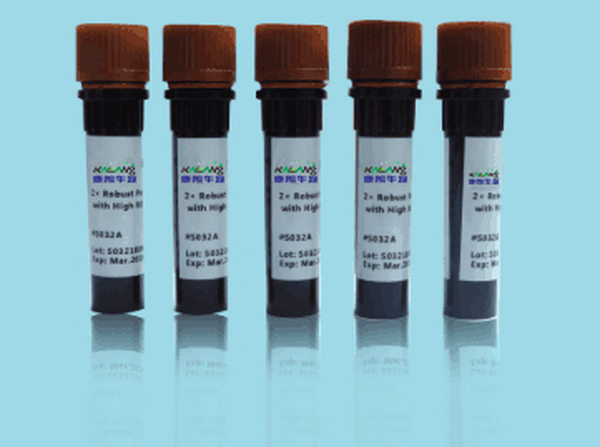
Glucosidase IIβ rabbit Polyclonal Antibody
Glucosidase IIβ抗体应用:Western Blot: 1/500 - 1/2000. Immunofluorescence: 1/200 - 1/1000. ELISA: 1/10000. protein kinase C substrate 80K-H(PRKCSH) Homo sapiens This gene encodes the beta-subunit of glucosidase II, an N-linked glycan-processing enzyme in the endoplasmic reticulum. The encoded protein is an acidic phosphoprotein known to be a substrate for protein kinase C. Mutations in this gene have been associated with the autosomal dominant polycystic liver disease. Alternative splicing results in multiple transcript variants. [provided by RefSeq, Jan 2014],
Glucuronidase β rabbit Polyclonal Antibody
Glucuronidase β抗体应用:IHC-p: 100-300.Western Blot: 1/500 - 1/2000. ELISA: 1/10000. glucuronidase beta(GUSB) Homo sapiens This gene encodes a hydrolase that degrades glycosaminoglycans, including heparan sulfate, dermatan sulfate, and chondroitin-4,6-sulfate. The enzyme forms a homotetramer that is localized to the lysosome. Mutations in this gene result in mucopolysaccharidosis type VII. Alternative splicing results in multiple transcript variants. There are many pseudogenes of this locus in the human genome.[provided by RefSeq, May 2014],
GluR-1 rabbit Polyclonal Antibody
GluR-1抗体应用:Western Blot: 1/500 - 1/2000. Immunohistochemistry: 1/100 - 1/300. Immunofluorescence: 1/200 - 1/1000. ELISA: 1/40000. glutamate ionotropic receptor AMPA type subunit 1(GRIA1) Homo sapiens Glutamate receptors are the predominant excitatory neurotransmitter receptors in the mammalian brain and are activated in a variety of normal neurophysiologic processes. These receptors are heteromeric protein complexes with multiple subunits, each possessing transmembrane regions, and all arranged to form a ligand-gated ion channel. The classification of glutamate receptors is based on their activation by different pharmacologic agonists. This gene belongs to a family of alpha-amino-3-hydroxy-5-methyl-4-isoxazole propionate (AMPA) receptors. Alternatively spliced transcript variants encoding different isoforms have been found for this gene. [provided by RefSeq, Jul 2008],
GluR-1 rabbit Polyclonal Antibody
GluR-1抗体应用:Western Blot: 1/500 - 1/2000. Immunohistochemistry: 1/100 - 1/300. Immunofluorescence: 1/200 - 1/1000. ELISA: 1/40000. glutamate ionotropic receptor AMPA type subunit 1(GRIA1) Homo sapiens Glutamate receptors are the predominant excitatory neurotransmitter receptors in the mammalian brain and are activated in a variety of normal neurophysiologic processes. These receptors are heteromeric protein complexes with multiple subunits, each possessing transmembrane regions, and all arranged to form a ligand-gated ion channel. The classification of glutamate receptors is based on their activation by different pharmacologic agonists. This gene belongs to a family of alpha-amino-3-hydroxy-5-methyl-4-isoxazole propionate (AMPA) receptors. Alternatively spliced transcript variants encoding different isoforms have been found for this gene. [provided by RefSeq, Jul 2008],
GluR-2 rabbit Polyclonal Antibody
GluR-2抗体应用:Western Blot: 1/500 - 1/2000. Immunohistochemistry: 1/100 - 1/300. Immunofluorescence: 1/200 - 1/1000. ELISA: 1/20000. glutamate ionotropic receptor AMPA type subunit 2(GRIA2) Homo sapiens Glutamate receptors are the predominant excitatory neurotransmitter receptors in the mammalian brain and are activated in a variety of normal neurophysiologic processes. This gene product belongs to a family of glutamate receptors that are sensitive to alpha-amino-3-hydroxy-5-methyl-4-isoxazole propionate (AMPA), and function as ligand-activated cation channels. These channels are assembled from 4 related subunits, GRIA1-4. The subunit encoded by this gene (GRIA2) is subject to RNA editing (CAG->CGG; Q->R) within the second transmembrane domain, which is thought to render the channel impermeable to Ca(2+). Human and animal studies suggest that pre-mRNA editing is essential for brain function, and defective GRIA2 RNA editing at the Q/R site may be relevant to amyotrophic lateral sclerosis (
GluR4 rabbit Polyclonal Antibody
GluR4抗体应用:Western Blot: 1/500 - 1/2000. Immunohistochemistry: 1/100 - 1/300. ELISA: 1/20000. glutamate ionotropic receptor AMPA type subunit 4(GRIA4) Homo sapiens Glutamate receptors are the predominant excitatory neurotransmitter receptors in the mammalian brain and are activated in a variety of normal neurophysiologic processes. These receptors are heteromeric protein complexes composed of multiple subunits, arranged to form ligand-gated ion channels. The classification of glutamate receptors is based on their activation by different pharmacologic agonists. The subunit encoded by this gene belongs to a family of AMPA (alpha-amino-3-hydroxy-5-methyl-4-isoxazole propionate)-sensitive glutamate receptors, and is subject to RNA editing (AGA->GGA; R->G). Alternative splicing of this gene results in transcript variants encoding different isoforms, which may vary in their signal transduction properties. Some haplotypes of this gene show a positive association with schizophrenia. [provided b
GluR-5 rabbit Polyclonal Antibody
GluR-5抗体应用:Western Blot: 1/500 - 1/2000. Immunohistochemistry: 1/100 - 1/300. ELISA: 1/40000. glutamate ionotropic receptor kainate type subunit 1(GRIK1) Homo sapiens Glutamate receptors are the predominant excitatory neurotransmitter receptors in the mammalian brain and are activated in a variety of normal neurophysiologic processes. This gene product belongs to the kainate family of glutamate receptors, which are composed of four subunits and function as ligand-activated ion channels. The subunit encoded by this gene is subject to RNA editing (CAG->CGG; Q->R) within the second transmembrane domain, which is thought to alter the properties of ion flow. Alternative splicing, resulting in transcript variants encoding different isoforms, has been noted for this gene. [provided by RefSeq, Jul 2008],
GluR-δ1 rabbit Polyclonal Antibody
GluR-δ1抗体应用:Western Blot: 1/500 - 1/2000. Immunohistochemistry: 1/100 - 1/300. ELISA: 1/40000. glutamate ionotropic receptor delta type subunit 1(GRID1) Homo sapiens This gene encodes a subunit of glutamate receptor channels. These channels mediate most of the fast excitatory synaptic transmission in the central nervous system and play key roles in synaptic plasticity.[provided by RefSeq, Jan 2009],
GluR-δ2 rabbit Polyclonal Antibody
GluR-δ2抗体应用:Western Blot: 1/500 - 1/2000. Immunofluorescence: 1/200 - 1/1000. ELISA: 1/20000. glutamate ionotropic receptor delta type subunit 2(GRID2) Homo sapiens The protein encoded by this gene is a member of the family of ionotropic glutamate receptors which are the predominant excitatory neurotransmitter receptors in the mammalian brain. The encoded protein is a multi-pass membrane protein that is expressed selectively in cerebellar Purkinje cells. A point mutation in the mouse ortholog, associated with the phenotype named 'lurcher', in the heterozygous state leads to ataxia resulting from selective, cell-autonomous apoptosis of cerebellar Purkinje cells during postnatal development. Mice homozygous for this mutation die shortly after birth from massive loss of mid- and hindbrain neurons during late embryogenesis. This protein also plays a role in synapse organization between parallel fibers and Purkinje cells. Alternate splicing results in multiple transcript variants encoding
Glut1 rabbit Polyclonal Antibody
Glut1 抗体应用:IF: 1:50-200 Western Blot: 1/500 - 1/2000. Immunohistochemistry: 1/100 - 1/300. ELISA: 1/40000. solute carrier family 2 member 1(SLC2A1) Homo sapiens This gene encodes a major glucose transporter in the mammalian blood-brain barrier. The encoded protein is found primarily in the cell membrane and on the cell surface, where it can also function as a receptor for human T-cell leukemia virus (HTLV) I and II. Mutations in this gene have been found in a family with paroxysmal exertion-induced dyskinesia. [provided by RefSeq, Apr 2013],
最新动态
-
Anti-GNGT1 KL20092-001(50ul)
2021-10-11 -
Anti-GNGT1 antibody(50ul) KL20093-001
2021-10-11 -

骨组织快速脱钙液Ⅰ
2021-09-07 -
外泌体(exosomes)染色试剂盒
2021-09-07 -
外泌体(exosomes)吸附抑制剂
2021-09-07
热门标签
- Histone H3 rabbit Polyclonal Antibody Histone H3抗体
- EGFR rabbit Polyclonal Antibody EGFR抗体
- Cy3 Conjugated
- AbFluor™ 555 Conjugated
- AbFluor™ 680 Conjugated
- AbFluor™ 350 Conjugated
- AbFluor™ 647 Conjugated
- AbFluor™ 594 Conjugated
- AbFluor™ 405 Conjugated
- Cy5 Conjugated
- AbFluor™ 488 Conjugated
- Cyclophilin B抗体 Cyclophilin B Monoclonal Antibody(2B10)
- COX IV抗体 COX IV Monoclonal Antibody(6C8)
- PCNA抗体 PCNA Monoclonal Antibody(12D10)
- FAK rabbit Polyclonal Antibody FAK抗体
邮箱:3002763590@qq.com
电话:021-61998208

扫码关注微信公众号