QQ:3002763590


客服电话:021-61998208
我们是专业的科研试剂供应服务商
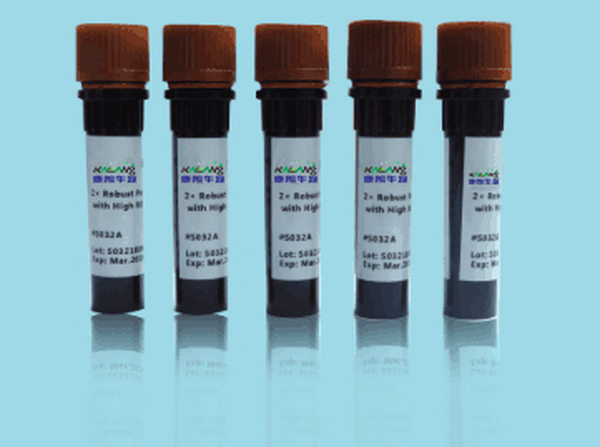
CT452 rabbit Polyclonal Antibody
CT452抗体应用:WB 1:500-2000 This gene represents one of a cluster of several similar genes located on the q arm of chromosome X. The genes in this cluster encode members of the cancer/testis (CT) family of antigens, and are distinct from other CT antigens. These antigens are thought to be novel therapeutic targets for human cancers. [provided by RefSeq, Apr 2014],
CT47A rabbit Polyclonal Antibody
CT47A抗体应用:WB 1:500-2000 ELISA 1:5000-20000cancer/testis antigen family 47, member A11(CT47A11) Homo sapiens This locus represents a member of the cancer/testis gene family 47. This family, also known as CT47, is comprised of 13 nearly identical loci clustered at Xq24. [provided by RefSeq, Sep 2010],
CTAG2 rabbit Polyclonal Antibody
CTAG2抗体应用:WB 1:500-2000 ELISA 1:5000-20000cancer/testis antigen 2(CTAG2) Homo sapiens This gene encodes an autoimmunogenic tumor antigen that belongs to the ESO/LAGE family of cancer-testis antigens. This protein is expressed in a wide array of cancers including melanoma, breast cancer, bladder cancer and prostate cancer. This protein is also expressed in normal testis tissue. An alternative open reading frame product of this gene has been described in PMID:10399963. This alternate protein, termed CAMEL, is a tumor antigen that is recognized by melanoma-specific cytotoxic T-lymphocytes. Alternate splicing results in multiple transcript variants. [provided by RefSeq, Sep 2013],
CTBL1 rabbit Polyclonal Antibody
CTBL1抗体应用:WB 1:500-2000The protein encoded by this gene is a component of the pre-mRNA-processing factor 19-cell division cycle 5-like (PRP19-CDC5L) protein complex, which activates pre-mRNA splicing and is an integral part of the spliceosome. The encoded protein is also a nuclear localization sequence binding protein, and binds to activation-induced deaminase and is important for antibody diversification. This gene may also be associated with the development of obesity. Alternative splicing results in multiple transcript variants. A pseudogene of this gene has been defined on the X chromosome. [provided by RefSeq, Jul 2013],
CTBP1 rabbit Polyclonal Antibody
CTBP1抗体应用:WB 1:500-2000 ELISA 1:5000-20000C-terminal binding protein 1(CTBP1) Homo sapiens This gene encodes a protein that binds to the C-terminus of adenovirus E1A proteins. This phosphoprotein is a transcriptional repressor and may play a role during cellular proliferation. This protein and the product of a second closely related gene, CTBP2, can dimerize. Both proteins can also interact with a polycomb group protein complex which participates in regulation of gene expression during development. Alternative splicing of transcripts from this gene results in multiple transcript variants. [provided by RefSeq, Jul 2008],
CTDP1 rabbit Polyclonal Antibody
CTDP1抗体应用:WB 1:500-2000This gene encodes a protein which interacts with the carboxy-terminus of the RAP74 subunit of transcription initiation factor TFIIF, and functions as a phosphatase that processively dephosphorylates the C-terminus of POLR2A (a subunit of RNA polymerase II), making it available for initiation of gene expression. Mutations in this gene are associated with congenital cataracts, facial dysmorphism and neuropathy syndrome (CCFDN). Alternatively spliced transcript variants encoding different isoforms have been described for this gene. [provided by RefSeq, Feb 2011],
CTND2 rabbit Polyclonal Antibody
CTND2抗体应用:WB 1:500-2000 ELISA 1:5000-20000catenin delta 2(CTNND2) Homo sapiens This gene encodes an adhesive junction associated protein of the armadillo/beta-catenin superfamily and is implicated in brain and eye development and cancer formation. The protein encoded by this gene promotes the disruption of E-cadherin based adherens junction to favor cell spreading upon stimulation by hepatocyte growth factor. This gene is overexpressed in prostate adenocarcinomas and is associated with decreased expression of tumor suppressor E-cadherin in this tissue. This gene resides in a region of the short arm of chromosome 5 that is deleted in Cri du Chat syndrome. Alternative splicing results in multiple transcript variants encoding different isoforms. [provided by RefSeq, Dec 2013],
最新动态
-
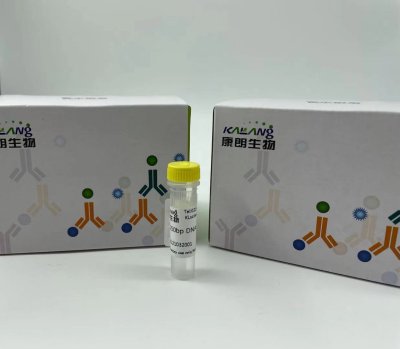
Anti-GNGT1 KL20092-001(50ul)
2021-10-11 -
Anti-GNGT1 antibody(50ul) KL20093-001
2021-10-11 -
α-tubulin mouse Monoclonal Antibody
2021-01-08 -
α-tubulin mouse Monoclonal Antibody(8F11)
2021-01-08
热门标签
- Histone H3 rabbit Polyclonal Antibody Histone H3抗体
- EGFR rabbit Polyclonal Antibody EGFR抗体
- Cy3 Conjugated
- AbFluor™ 555 Conjugated
- AbFluor™ 680 Conjugated
- AbFluor™ 350 Conjugated
- AbFluor™ 647 Conjugated
- AbFluor™ 594 Conjugated
- AbFluor™ 405 Conjugated
- Cy5 Conjugated
- AbFluor™ 488 Conjugated
- Cyclophilin B抗体 Cyclophilin B Monoclonal Antibody(2B10)
- COX IV抗体 COX IV Monoclonal Antibody(6C8)
- PCNA抗体 PCNA Monoclonal Antibody(12D10)
- FAK rabbit Polyclonal Antibody FAK抗体
邮箱:3002763590@qq.com
电话:021-61998208

扫码关注微信公众号