QQ:3002763590


客服电话:021-61998208
我们是专业的科研试剂供应服务商
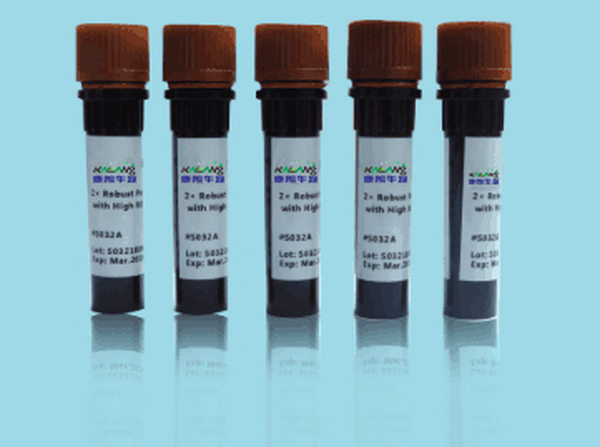
NU2M rabbit Polyclonal Antibody
NU2M抗体应用:WB 1:500-2000 ELISA 1:5000-20000catalytic activity:NADH + ubiquinone = NAD(+) + ubiquinol.,disease:Defects in MT-ND2 are a cause of Leber hereditary optic neuropathy (LHON) [MIM:535000]. LHON is a maternally inherited disease resulting in acute or subacute loss of central vision, due to optic nerve dysfunction. Cardiac conduction defects and neurological defects have also been described in some patients. LHON results from primary mitochondrial DNA mutations affecting the respiratory chain complexes.,disease:Defects in MT-ND2 may be associated with mitochondrial susceptibility to Alzheimer disease (AD) [MIM:502500].,function:Core subunit of the mitochondrial membrane respiratory chain NADH dehydrogenase (Complex I) that is believed to belong to the minimal assembly required for catalysis. Complex I functions in the transfer of electrons from NADH to the respiratory chain. The immediate electron acceptor for the enzyme is believed to be ubiquinone.,similarity:Belongs to the comp
NU3M rabbit Polyclonal Antibody
NU3M抗体应用:WB 1:500-2000 ELISA 1:5000-20000catalytic activity:NADH + ubiquinone = NAD(+) + ubiquinol.,disease:Defects in MT-ND3 are a cause of complex I mitochondrial respiratory chain deficiency [MIM:252010]. Complex I (NADH-ubiquinone oxidoreductase), the largest complex of the mitochondrial respiratory chain, contains more than 40 subunits. It is embedded in the inner mitochondrial membrane and is partly protruding in the matrix. Complex I deficiency is the most common cause of mitochondrial disorders. It represents largely one-third of all cases of respiratory chain deficiency and is responsible for a variety of clinical symptoms, ranging from neurological disorders to cardiomyopathy, liver failure, and myopathy.,disease:Defects in MT-ND3 are a cause of Leigh syndrome (LS) [MIM:256000]. LS is a severe neurological disorder characterized by bilaterally symmetrical necrotic lesions in subcortical brain regions.,function:Core subunit of the mitochondrial membrane respiratory chain NADH
NU4LM rabbit Polyclonal Antibody
NU4LM抗体应用:WB 1:500-2000 ELISA 1:5000-20000catalytic activity:NADH + ubiquinone = NAD(+) + ubiquinol.,disease:Defects in MT-ND4 are a cause of Leber hereditary optic neuropathy (LHON) [MIM:535000]. LHON is a maternally inherited disease resulting in acute or subacute loss of central vision, due to optic nerve dysfunction. Cardiac conduction defects and neurological defects have also been described in some patients. LHON results from primary mitochondrial DNA mutations affecting the respiratory chain complexes.,disease:Defects in MT-ND4 are a cause of Leber hereditary optic neuropathy with dystonia (LDYT) [MIM:500001]; also called familial dystonia with visual failure and striatal lucencies. LDYT is part of a spectrum of Leber hereditary optic neuropathy. It is characterized by the association of optic atrophy and central vision loss with dystonia.,disease:Defects in MT-ND4 are a cause of mitochondrial encephalomyopathy with lactic acidosis and stroke-like episodes syndrome (MELAS) [MIM:
NU6M rabbit Polyclonal Antibody
NU6M抗体应用:WB 1:500-2000 ELISA 1:5000-20000catalytic activity:NADH + ubiquinone = NAD(+) + ubiquinol.,disease:Defects in MT-ND6 are a cause of Leber hereditary optic neuropathy (LHON) [MIM:535000]. LHON is a maternally inherited disease resulting in acute or subacute loss of central vision, due to optic nerve dysfunction. Cardiac conduction defects and neurological defects have also been described in some patients. LHON results from primary mitochondrial DNA mutations affecting the respiratory chain complexes.,disease:Defects in MT-ND6 are a cause of Leber hereditary optic neuropathy with dystonia (LDYT) [MIM:500001]; also called familial dystonia with visual failure and striatal lucencies. LDYT is part of a spectrum of Leber hereditary optic neuropathy. It is characterized by the association of optic atrophy and central vision loss with dystonia.,disease:Defects in MT-ND6 are a cause of mitochondrial encephalomyopathy with lactic acidosis and stroke-like episodes syndrome (MELAS) [MIM:5
NUAK1 rabbit Polyclonal Antibody
NUAK1抗体应用:WB 1:500-2000 ELISA 1:5000-20000catalytic activity:ATP + a protein = ADP + a phosphoprotein.,cofactor:Magnesium.,enzyme regulation:Activated by PKB/AKT1 during glucose starvation. Activated by phosphorylation on Thr-211 by STK11 in complex with STE20-related adapter-alpha (STRAD alpha) pseudo kinase and CAB39.,function:Involved in tolerance to glucose starvation. Phosphorylates ATM. Suppresses Fas-induced apoptosis by phosphorylation of CASP6, thus suppressing the activation of the caspase and the subsequent cleavage of CFLAR.,similarity:Belongs to the protein kinase superfamily.,similarity:Belongs to the protein kinase superfamily. CAMK Ser/Thr protein kinase family. SNF1 subfamily.,similarity:Contains 1 protein kinase domain.,tissue specificity:Expressed at high levels in heart and brain, and at lower levels in skeletal muscle, kidney, ovary, placenta, lung and liver.,
NUAK2 rabbit Polyclonal Antibody
NUAK2抗体应用:WB 1:500-2000 ELISA 1:5000-20000catalytic activity:ATP + a protein = ADP + a phosphoprotein.,cofactor:Magnesium.,enzyme regulation:Activated by phosphorylation on Thr-208 by STK11 in complex with STE20-related adapter-alpha (STRAD alpha) pseudo kinase and CAB39.,function:Stress-activated kinase involved in tolerance to glucose starvation. Induces cell-cell detachment by increasing F-actin conversion to G-actin. Expression is induced by CD95 or TNF-alpha, via NF-kappa-B. Protects cells from CD95-mediated apoptosis and is required for the increased motility and invasiveness of CD95-activated tumor cells.,PTM:Autophosphorylated in vitro.,similarity:Belongs to the protein kinase superfamily. CAMK Ser/Thr protein kinase family. SNF1 subfamily.,similarity:Contains 1 protein kinase domain.,
NUCG rabbit Polyclonal Antibody
NUCG抗体应用:WB 1:500-2000 ELISA 1:5000-20000endonuclease G(ENDOG) Homo sapiens The protein encoded by this gene is a nuclear encoded endonuclease that is localized in the mitochondrion. The encoded protein is widely distributed among animals and cleaves DNA at GC tracts. This protein is capable of generating the RNA primers required by DNA polymerase gamma to initiate replication of mitochondrial DNA. [provided by RefSeq, Jul 2008],
NUCL rabbit Polyclonal Antibody
NUCL抗体应用:WB 1:500-2000 ELISA 1:5000-20000nucleolin(NCL) Homo sapiens Nucleolin (NCL), a eukaryotic nucleolar phosphoprotein, is involved in the synthesis and maturation of ribosomes. It is located mainly in dense fibrillar regions of the nucleolus. Human NCL gene consists of 14 exons with 13 introns and spans approximately 11kb. The intron 11 of the NCL gene encodes a small nucleolar RNA, termed U20. [provided by RefSeq, Jul 2008],
最新动态
-
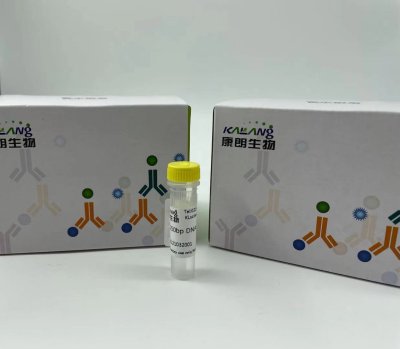
Anti-GNGT1 KL20092-001(50ul)
2021-10-11 -
Anti-GNGT1 antibody(50ul) KL20093-001
2021-10-11 -
α-tubulin mouse Monoclonal Antibody
2021-01-08 -
α-tubulin mouse Monoclonal Antibody(8F11)
2021-01-08
热门标签
- Histone H3 rabbit Polyclonal Antibody Histone H3抗体
- EGFR rabbit Polyclonal Antibody EGFR抗体
- Cy3 Conjugated
- AbFluor™ 555 Conjugated
- AbFluor™ 680 Conjugated
- AbFluor™ 350 Conjugated
- AbFluor™ 647 Conjugated
- AbFluor™ 594 Conjugated
- AbFluor™ 405 Conjugated
- Cy5 Conjugated
- AbFluor™ 488 Conjugated
- Cyclophilin B抗体 Cyclophilin B Monoclonal Antibody(2B10)
- COX IV抗体 COX IV Monoclonal Antibody(6C8)
- PCNA抗体 PCNA Monoclonal Antibody(12D10)
- FAK rabbit Polyclonal Antibody FAK抗体
邮箱:3002763590@qq.com
电话:021-61998208

扫码关注微信公众号