QQ:3002763590


客服电话:021-61998208
我们是专业的科研试剂供应服务商
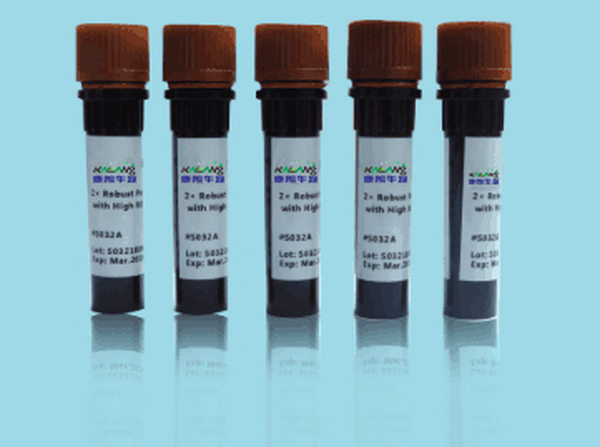
OTX1 rabbit Polyclonal Antibody
OTX1抗体应用:WB 1:500-2000 This gene encodes a member of the bicoid sub-family of homeodomain-containing transcription factors. The encoded protein acts as a transcription factor and may play a role in brain and sensory organ development. A similar protein in mouse is required for proper brain and sensory organ development and can cause epilepsy. Alternative splicing results in multiple transcript variants. [provided by RefSeq, Jan 2015],
OVOL2 rabbit Polyclonal Antibody
OVOL2抗体应用:WB 1:500-2000 ELISA 1:5000-20000ovo like zinc finger 2(OVOL2) Homo sapiens This gene encodes a member of the evolutionarily conserved ovo-like protein family. Mammalian members of this family contain a single zinc finger domain composed of a tetrad of C2H2 zinc fingers with variable N- and C-terminal extensions that contain intrinsically disordered domains. Members of this family are involved in epithelial development and differentiation. Knockout of this gene in mouse results in early embryonic lethality with phenotypes that include neurectoderm expansion, impaired vascularization, and heart anomalies. In humans, allelic variants of this gene have been associated with posterior polymorphous corneal dystrophy. [provided by RefSeq, Apr 2016],
OX2R rabbit Polyclonal Antibody
OX2R抗体应用:WB 1:500-2000 ELISA 1:5000-20000hypocretin receptor 2(HCRTR2) Homo sapiens The protein encoded by this gene is a G-protein coupled receptor involved in the regulation of feeding behavior. The encoded protein binds the hypothalamic neuropeptides orexin A and orexin B. A related gene (HCRTR1) encodes a G-protein coupled receptor that selectively binds orexin A. [provided by RefSeq, Jan 2009],
OXDD rabbit Polyclonal Antibody
OXDD抗体应用:WB 1:500-2000 The protein encoded by this gene is a peroxisomal flavoprotein that catalyzes the oxidative deamination of D-aspartate and N-methyl D-aspartate. Flavin adenine dinucleotide or 6-hydroxyflavin adenine dinucleotide can serve as the cofactor in this reaction. Two transcript variants encoding different isoforms have been found for this gene. [provided by RefSeq, Jul 2008],
OXGR1 rabbit Polyclonal Antibody
OXGR1抗体应用:WB 1:500-2000 ELISA 1:5000-20000oxoglutarate receptor 1(OXGR1) Homo sapiens This gene encodes a G protein-coupled receptor (GPCR) that belongs to the oxoglutarate receptor family within the GPCR superfamily. The encoded protein is activated by the citric acid intermediate, oxoglutarate, as well as several cysteinyl leukotrienes, including leukotrienes E4, C4 and D4, which are implicated in many inflammatory disorders. In mice, a knock-out of this gene leads to middle ear inflammation, changes in the mucosal epithelium, and an increase in fluid behind the eardrum, and is associated with hearing loss. Alternative splicing results in multiple transcript variants. [provided by RefSeq, Oct 2016],
OXTR rabbit Polyclonal Antibody
OXTR抗体应用:WB 1:500-2000 ELISA 1:5000-20000oxytocin receptor(OXTR) Homo sapiens The protein encoded by this gene belongs to the G-protein coupled receptor family and acts as a receptor for oxytocin. Its activity is mediated by G proteins which activate a phosphatidylinositol-calcium second messenger system. The oxytocin-oxytocin receptor system plays an important role in the uterus during parturition. [provided by RefSeq, Jul 2008],
P rabbit Polyclonal Antibody
P抗体应用:WB 1:500-2000 ELISA 1:5000-20000OCA2 melanosomal transmembrane protein(OCA2) Homo sapiens This gene encodes the human homolog of the mouse p (pink-eyed dilution) gene. The encoded protein is believed to be an integral membrane protein involved in small molecule transport, specifically tyrosine, which is a precursor to melanin synthesis. It is involved in mammalian pigmentation, where it may control skin color variation and act as a determinant of brown or blue eye color. Mutations in this gene result in type 2 oculocutaneous albinism. Alternative splicing results in multiple transcript variants. [provided by RefSeq, Jul 2014],
最新动态
-
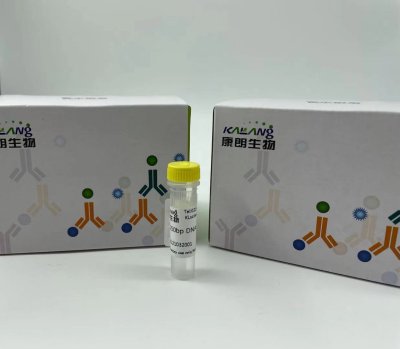
Anti-GNGT1 KL20092-001(50ul)
2021-10-11 -
Anti-GNGT1 antibody(50ul) KL20093-001
2021-10-11 -
α-tubulin mouse Monoclonal Antibody
2021-01-08 -
α-tubulin mouse Monoclonal Antibody(8F11)
2021-01-08
热门标签
- Histone H3 rabbit Polyclonal Antibody Histone H3抗体
- EGFR rabbit Polyclonal Antibody EGFR抗体
- Cy3 Conjugated
- AbFluor™ 555 Conjugated
- AbFluor™ 680 Conjugated
- AbFluor™ 350 Conjugated
- AbFluor™ 647 Conjugated
- AbFluor™ 594 Conjugated
- AbFluor™ 405 Conjugated
- Cy5 Conjugated
- AbFluor™ 488 Conjugated
- Cyclophilin B抗体 Cyclophilin B Monoclonal Antibody(2B10)
- COX IV抗体 COX IV Monoclonal Antibody(6C8)
- PCNA抗体 PCNA Monoclonal Antibody(12D10)
- FAK rabbit Polyclonal Antibody FAK抗体
邮箱:3002763590@qq.com
电话:021-61998208

扫码关注微信公众号