QQ:3002763590


客服电话:021-61998208
我们是专业的科研试剂供应服务商
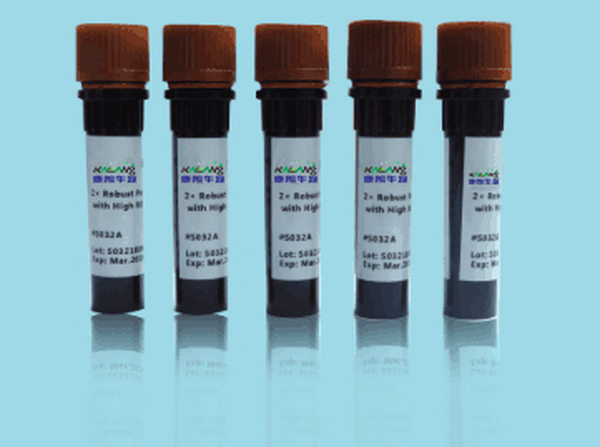
TNKS1 rabbit Polyclonal Antibody
TNKS1抗体应用:WB 1:500-2000 ELISA 1:5000-20000catalytic activity:NAD(+) + (ADP-D-ribosyl)(n)-acceptor = nicotinamide + (ADP-D-ribosyl)(n+1)-acceptor.,function:May regulate vesicle trafficking and modulate the subcellular distribution of SLC2A4/GLUT4-vesicles. Has PARP activity and can modify TERF1, and thereby contribute to the regulation of telomere length.,PTM:ADP-ribosylated (-auto).,PTM:Phosphorylated on serine residues by MAPK kinases upon insulin stimulation.,similarity:Contains 1 PARP catalytic domain.,similarity:Contains 1 SAM (sterile alpha motif) domain.,similarity:Contains 15 ANK repeats.,subcellular location:Associated with the Golgi and with juxtanuclear SLC2A4/GLUT4-vesicles. A minor proportion is also found at nuclear pore complexes and around the pericentriolar matrix of mitotic centromeres. During interphase, a small fraction of TNKS is found in the nucleus, associated with TERF1.,subunit:Oligomerizes and associates with TNKS2. Interacts with the cytoplasmic domain of LNPE
TNKS2 rabbit Polyclonal Antibody
TNKS2抗体应用:WB 1:500-2000 ELISA 1:5000-20000catalytic activity:NAD(+) + (ADP-D-ribosyl)(n)-acceptor = nicotinamide + (ADP-D-ribosyl)(n+1)-acceptor.,function:May regulate vesicle trafficking and modulate the subcellular distribution of SLC2A4/GLUT4-vesicles. Has PARP activity and can modify TRF1, and thereby contribute to the regulation of telomere length.,PTM:ADP-ribosylated (-auto).,similarity:Contains 1 PARP catalytic domain.,similarity:Contains 1 SAM (sterile alpha motif) domain.,similarity:Contains 15 ANK repeats.,subcellular location:Associated with the Golgi and with juxtanuclear SLC2A4/GLUT4-vesicles. Also found around the pericentriolar matrix of mitotic centromeres. During interphase, a small fraction of TNKS2 is found in the nucleus, associated with TRF1.,subunit:Oligomerizes and associates with TNKS. Interacts with the cytoplasmic domain of LNPEP/Otase in SLC2A4/GLUT4-vesicles. Binds to the N-terminus of Grb14 and TRF1 with its ankyrin repeat region.,tissue specificity:Highly
TNNC1 rabbit Polyclonal Antibody
TNNC1抗体应用:WB 1:500-2000Troponin is a central regulatory protein of striated muscle contraction, and together with tropomyosin, is located on the actin filament. Troponin consists of 3 subunits: TnI, which is the inhibitor of actomyosin ATPase; TnT, which contains the binding site for tropomyosin; and TnC, the protein encoded by this gene. The binding of calcium to TnC abolishes the inhibitory action of TnI, thus allowing the interaction of actin with myosin, the hydrolysis of ATP, and the generation of tension. Mutations in this gene are associated with cardiomyopathy dilated type 1Z. [provided by RefSeq, Oct 2008],
TNNC2 rabbit Polyclonal Antibody
TNNC2抗体应用:WB 1:500-2000 ELISA 1:5000-20000troponin C2, fast skeletal type(TNNC2) Homo sapiens Troponin (Tn), a key protein complex in the regulation of striated muscle contraction, is composed of 3 subunits. The Tn-I subunit inhibits actomyosin ATPase, the Tn-T subunit binds tropomyosin and Tn-C, while the Tn-C subunit binds calcium and overcomes the inhibitory action of the troponin complex on actin filaments. The protein encoded by this gene is the Tn-C subunit. [provided by RefSeq, Jul 2008],
TNNT1 rabbit Polyclonal Antibody
TNNT1抗体应用:WB 1:500-2000 ELISA 1:5000-20000troponin T1, slow skeletal type(TNNT1) Homo sapiens This gene encodes a protein that is a subunit of troponin, which is a regulatory complex located on the thin filament of the sarcomere. This complex regulates striated muscle contraction in response to fluctuations in intracellular calcium concentration. This complex is composed of three subunits: troponin C, which binds calcium, troponin T, which binds tropomyosin, and troponin I, which is an inhibitory subunit. This protein is the slow skeletal troponin T subunit. Mutations in this gene cause nemaline myopathy type 5, also known as Amish nemaline myopathy, a neuromuscular disorder characterized by muscle weakness and rod-shaped, or nemaline, inclusions in skeletal muscle fibers which affects infants, resulting in death due to respiratory insufficiency, usually in the second year. Multiple transcript variants encoding different isoforms have been found for this gene. [provided by RefSeq, Ju
TNNT3 rabbit Polyclonal Antibody
TNNT3抗体应用:WB 1:500-2000 ELISA 1:5000-20000troponin T3, fast skeletal type(TNNT3) Homo sapiens The binding of Ca(2+) to the trimeric troponin complex initiates the process of muscle contraction. Increased Ca(2+) concentrations produce a conformational change in the troponin complex that is transmitted to tropomyosin dimers situated along actin filaments. The altered conformation permits increased interaction between a myosin head and an actin filament which, ultimately, produces a muscle contraction. The troponin complex has protein subunits C, I, and T. Subunit C binds Ca(2+) and subunit I binds to actin and inhibits actin-myosin interaction. Subunit T binds the troponin complex to the tropomyosin complex and is also required for Ca(2+)-mediated activation of actomyosin ATPase activity. There are 3 different troponin T genes that encode tissue-specific isoforms of subunit T for fast skeletal-, slow skeletal-, and cardiac-muscle. This gene encodes fast skeletal troponin T protein; als
TNPO1 rabbit Polyclonal Antibody
TNPO1抗体应用:WB 1:500-2000 ELISA 1:5000-20000transportin 1(TNPO1) Homo sapiens This gene encodes the beta subunit of the karyopherin receptor complex which interacts with nuclear localization signals to target nuclear proteins to the nucleus. The karyopherin receptor complex is a heterodimer of an alpha subunit which recognizes the nuclear localization signal and a beta subunit which docks the complex at nucleoporins. Alternate splicing of this gene results in two transcript variants encoding different proteins. [provided by RefSeq, Jul 2008],
TNR14 rabbit Polyclonal Antibody
TNR14抗体应用:WB 1:500-2000 ELISA 1:5000-20000TNF receptor superfamily member 14(TNFRSF14) Homo sapiens This gene encodes a member of the TNF (tumor necrosis factor) receptor superfamily. The encoded protein functions in signal transduction pathways that activate inflammatory and inhibitory T-cell immune response. It binds herpes simplex virus (HSV) viral envelope glycoprotein D (gD), mediating its entry into cells. Alternative splicing results in multiple transcript variants. [provided by RefSeq, Jul 2014],
TNR18 rabbit Polyclonal Antibody
TNR18抗体应用:WB 1:500-2000 ELISA 1:5000-20000TNF receptor superfamily member 18(TNFRSF18) Homo sapiens This gene encodes a member of the TNF-receptor superfamily. The encoded receptor has been shown to have increased expression upon T-cell activation, and it is thought to play a key role in dominant immunological self-tolerance maintained by CD25(+)CD4(+) regulatory T cells. Knockout studies in mice also suggest the role of this receptor is in the regulation of CD3-driven T-cell activation and programmed cell death. Three alternatively spliced transcript variants of this gene encoding distinct isoforms have been reported. [provided by RefSeq, Feb 2011],
TNR19 rabbit Polyclonal Antibody
TNR19抗体应用:WB 1:500-2000 ELISA 1:5000-20000TNF receptor superfamily member 19(TNFRSF19) Homo sapiens The protein encoded by this gene is a member of the TNF-receptor superfamily. This receptor is highly expressed during embryonic development. It has been shown to interact with TRAF family members, and to activate JNK signaling pathway when overexpressed in cells. This receptor is capable of inducing apoptosis by a caspase-independent mechanism, and it is thought to play an essential role in embryonic development. Alternatively spliced transcript variants encoding distinct isoforms have been described. [provided by RefSeq, Jul 2008],
最新动态
-
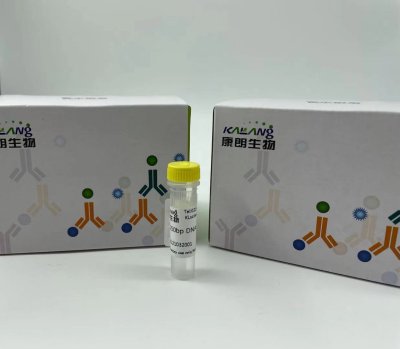
Anti-GNGT1 KL20092-001(50ul)
2021-10-11 -
Anti-GNGT1 antibody(50ul) KL20093-001
2021-10-11 -
α-tubulin mouse Monoclonal Antibody
2021-01-08 -
α-tubulin mouse Monoclonal Antibody(8F11)
2021-01-08
热门标签
- Histone H3 rabbit Polyclonal Antibody Histone H3抗体
- EGFR rabbit Polyclonal Antibody EGFR抗体
- Cy3 Conjugated
- AbFluor™ 555 Conjugated
- AbFluor™ 680 Conjugated
- AbFluor™ 350 Conjugated
- AbFluor™ 647 Conjugated
- AbFluor™ 594 Conjugated
- AbFluor™ 405 Conjugated
- Cy5 Conjugated
- AbFluor™ 488 Conjugated
- Cyclophilin B抗体 Cyclophilin B Monoclonal Antibody(2B10)
- COX IV抗体 COX IV Monoclonal Antibody(6C8)
- PCNA抗体 PCNA Monoclonal Antibody(12D10)
- FAK rabbit Polyclonal Antibody FAK抗体
邮箱:3002763590@qq.com
电话:021-61998208

扫码关注微信公众号