QQ:3002763590


客服电话:021-61998208
我们是专业的科研试剂供应服务商
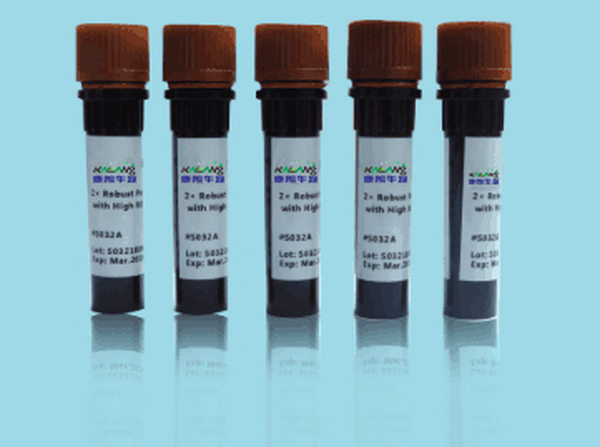
WSB2 rabbit Polyclonal Antibody
WSB2抗体应用:WB 1:500-2000 This gene encodes a member of the WD-protein subfamily. The encoded protein contains five WD-repeats spanning most of the protein and an SOCS box in the C-terminus. The SOCS box may act as a bridge between specific substrate-binding domains and E3 ubiquitin protein ligases. Three transcript variants encoding different isoforms have been found for this gene. [provided by RefSeq, Jun 2013],
WT1 rabbit Polyclonal Antibody
WT1抗体应用:WB 1:500-2000 ELISA 1:5000-20000Wilms tumor 1(WT1) Homo sapiens This gene encodes a transcription factor that contains four zinc-finger motifs at the C-terminus and a proline/glutamine-rich DNA-binding domain at the N-terminus. It has an essential role in the normal development of the urogenital system, and it is mutated in a small subset of patients with Wilms tumor. This gene exhibits complex tissue-specific and polymorphic imprinting pattern, with biallelic, and monoallelic expression from the maternal and paternal alleles in different tissues. Multiple transcript variants have been described. In several variants, there is evidence for the use of a non-AUG (CUG) translation initiation codon upstream of, and in-frame with the first AUG. Authors of PMID:7926762 also provide evidence that WT1 mRNA undergoes RNA editing in human and rat, and that this process is tissue-restricted and developmentally regulated. [provided by RefSeq, Mar 2015],
SHAN3 rabbit Polyclonal Antibody
SHAN3抗体应用:WB 1:500-2000 ELISA 1:5000-20000SH3 and multiple ankyrin repeat domains 3(SHANK3) Homo sapiens This gene is a member of the Shank gene family. Shank proteins are multidomain scaffold proteins of the postsynaptic density that connect neurotransmitter receptors, ion channels, and other membrane proteins to the actin cytoskeleton and G-protein-coupled signaling pathways. Shank proteins also play a role in synapse formation and dendritic spine maturation. Mutations in this gene are a cause of autism spectrum disorder (ASD), which is characterized by impairments in social interaction and communication, and restricted behavioral patterns and interests. Mutations in this gene also cause schizophrenia type 15, and are a major causative factor in the neurological symptoms of 22q13.3 deletion syndrome, which is also known as Phelan-McDermid syndrome. Additional isoforms have been described for this gene but they have not yet been experimentally verified. [provided by RefSeq, Mar
SHBG rabbit Polyclonal Antibody
SHBG抗体应用:WB 1:500-2000 ELISA 1:5000-20000sex hormone binding globulin(SHBG) Homo sapiens This gene encodes a steroid binding protein that was first described as a plasma protein secreted by the liver but is now thought to participate in the regulation of steroid responses. The encoded protein transports androgens and estrogens in the blood, binding each steroid molecule as a dimer formed from identical or nearly identical monomers. Polymorphisms in this gene have been associated with polycystic ovary syndrome and type 2 diabetes mellitus. Alternative splicing results in multiple transcript variants. [provided by RefSeq, Jan 2014],
SHOX rabbit Polyclonal Antibody
SHOX抗体应用:WB 1:500-2000 ELISA 1:5000-20000short stature homeobox(SHOX) Homo sapiens This gene belongs to the paired homeobox family and is located in the pseudoautosomal region 1 (PAR1) of X and Y chromosomes. Defects in this gene are associated with idiopathic growth retardation and in the short stature phenotype of Turner syndrome patients. This gene is highly conserved across species from mammals to fish to flies. Alternatively spliced transcript variants encoding different isoforms have been noted for this gene. [provided by RefSeq, Jul 2008],
SHPS1 rabbit Polyclonal Antibody
SHPS1抗体应用:WB 1:500-2000 ELISA 1:5000-20000signal regulatory protein alpha(SIRPA) Homo sapiens The protein encoded by this gene is a member of the signal-regulatory-protein (SIRP) family, and also belongs to the immunoglobulin superfamily. SIRP family members are receptor-type transmembrane glycoproteins known to be involved in the negative regulation of receptor tyrosine kinase-coupled signaling processes. This protein can be phosphorylated by tyrosine kinases. The phospho-tyrosine residues of this PTP have been shown to recruit SH2 domain containing tyrosine phosphatases (PTP), and serve as substrates of PTPs. This protein was found to participate in signal transduction mediated by various growth factor receptors. CD47 has been demonstrated to be a ligand for this receptor protein. This gene and its product share very high similarity with several other members of the SIRP family. These related genes are located in close proximity to each other on chromosome 20p13. Multiple alternati
SHRM3 rabbit Polyclonal Antibody
SHRM3抗体应用:WB 1:500-2000 This gene encodes a PDZ-domain-containing protein that belongs to a family of Shroom-related proteins. This protein may be involved in regulating cell shape in certain tissues. A similar protein in mice is required for proper neurulation. [provided by RefSeq, Jan 2011],
最新动态
-
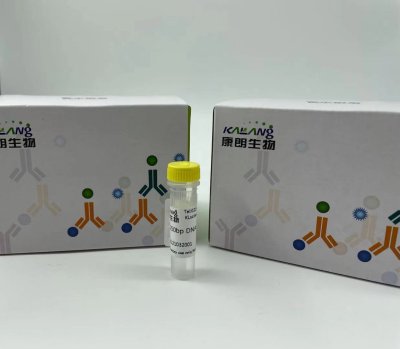
Anti-GNGT1 KL20092-001(50ul)
2021-10-11 -
Anti-GNGT1 antibody(50ul) KL20093-001
2021-10-11 -
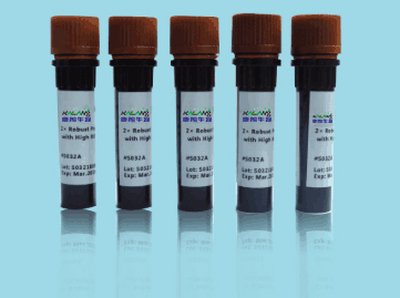
α-tubulin mouse Monoclonal Antibody
2021-01-08 -
α-tubulin mouse Monoclonal Antibody(8F11)
2021-01-08
热门标签
- Histone H3 rabbit Polyclonal Antibody Histone H3抗体
- EGFR rabbit Polyclonal Antibody EGFR抗体
- Cy3 Conjugated
- AbFluor™ 555 Conjugated
- AbFluor™ 680 Conjugated
- AbFluor™ 350 Conjugated
- AbFluor™ 647 Conjugated
- AbFluor™ 594 Conjugated
- AbFluor™ 405 Conjugated
- Cy5 Conjugated
- AbFluor™ 488 Conjugated
- Cyclophilin B抗体 Cyclophilin B Monoclonal Antibody(2B10)
- COX IV抗体 COX IV Monoclonal Antibody(6C8)
- PCNA抗体 PCNA Monoclonal Antibody(12D10)
- FAK rabbit Polyclonal Antibody FAK抗体
邮箱:3002763590@qq.com
电话:021-61998208

扫码关注微信公众号