QQ:3002763590


客服电话:021-61998208
我们是专业的科研试剂供应服务商
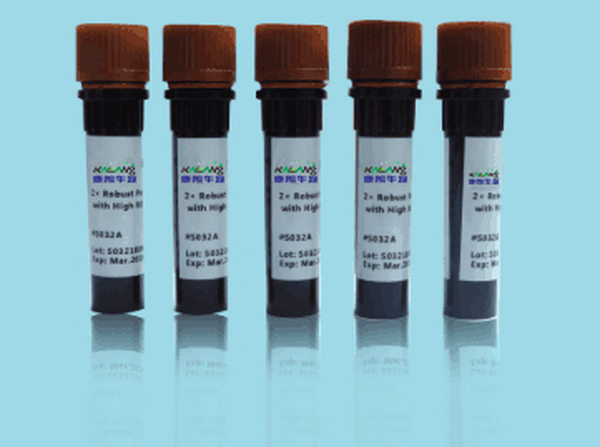
AIM2 rabbit Polyclonal Antibody
AIM2抗体应用:Western Blot: 1/500 - 1/2000. Immunohistochemistry: 1/100 - 1/300. Immunofluorescence: 1/200 - 1/1000. ELISA: 1/40000.absent in melanoma 2(AIM2) Homo sapiens AIM2 is a member of the IFI20X /IFI16 family. It plays a putative role in tumorigenic reversion and may control cell proliferation. Interferon-gamma induces expression of AIM2. [provided by RefSeq, Jul 2008],
AIP4 rabbit Polyclonal Antibody
AIP4抗体应用:Western Blot: 1/500 - 1/2000. ELISA: 1/40000.itchy E3 ubiquitin protein ligase(ITCH) Homo sapiens This gene encodes a member of the Nedd4 family of HECT domain E3 ubiquitin ligases. HECT domain E3 ubiquitin ligases transfer ubiquitin from E2 ubiquitin-conjugating enzymes to protein substrates, thus targeting specific proteins for lysosomal degradation. The encoded protein plays a role in multiple cellular processes including erythroid and lymphoid cell differentiation and the regulation of immune responses. Mutations in this gene are a cause of syndromic multisystem autoimmune disease. Alternatively spliced transcript variants encoding multiple isoforms have been observed for this gene. [provided by RefSeq, Mar 2012],
AIRE-1 rabbit Polyclonal Antibody
AIRE-1抗体应用:Western Blot: 1/500 - 1/2000. Immunofluorescence: 1/200 - 1/1000. ELISA: 1/10000.autoimmune regulator(AIRE) Homo sapiens This gene encodes a transcriptional regulator that forms nuclear bodies and interacts with the transcriptional coactivator CREB binding protein. The encoded protein plays an important role in immunity by regulating the expression of autoantigens and negative selection of autoreactive T-cells in the thymus. Mutations in this gene cause the rare autosomal-recessive systemic autoimmune disease termed autoimmune polyendocrinopathy with candidiasis and ectodermal dystrophy (APECED). [provided by RefSeq, Jun 2012],
AIRE-1 rabbit Polyclonal Antibody
AIRE-1抗体应用:Western Blot: 1/500 - 1/2000. ELISA: 1/5000.autoimmune regulator(AIRE) Homo sapiens This gene encodes a transcriptional regulator that forms nuclear bodies and interacts with the transcriptional coactivator CREB binding protein. The encoded protein plays an important role in immunity by regulating the expression of autoantigens and negative selection of autoreactive T-cells in the thymus. Mutations in this gene cause the rare autosomal-recessive systemic autoimmune disease termed autoimmune polyendocrinopathy with candidiasis and ectodermal dystrophy (APECED). [provided by RefSeq, Jun 2012],
AIRP rabbit Polyclonal Antibody
AIRP抗体应用:WB 1:500-2000 Immunohistochemistry: 1/100 - 1/300. Immunofluorescence: 1/200 - 1/1000. ELISA: 1/20000.5'-nucleotidase, cytosolic IB(NT5C1B) Homo sapiens Cytosolic 5-prime nucleotidases, such as NT5C1B, catalyze production of adenosine, which regulates diverse physiologic processes (Sala-Newby and Newby, 2001 [PubMed 11690631]).[supplied by OMIM, Mar 2008],
AK1 rabbit Polyclonal Antibody
AK1抗体应用:Immunohistochemistry: 1/100 - 1/300. Immunofluorescence: 1/200 - 1/1000. ELISA: 1/5000.adenylate kinase 1(AK1) Homo sapiens This gene encodes an adenylate kinase enzyme involved in energy metabolism and homeostasis of cellular adenine nucleotide ratios in different intracellular compartments. This gene is highly expressed in skeletal muscle, brain and erythrocytes. Certain mutations in this gene resulting in a functionally inadequate enzyme are associated with a rare genetic disorder causing nonspherocytic hemolytic anemia. Alternative splicing of this gene results in multiple transcript variants encoding different isoforms. [provided by RefSeq, Dec 2015],
AK1BA rabbit Polyclonal Antibody
AK1BA抗体应用:WB 1:500-2000 This gene encodes a member of the aldo/keto reductase superfamily, which consists of more than 40 known enzymes and proteins. This member can efficiently reduce aliphatic and aromatic aldehydes, and it is less active on hexoses. It is highly expressed in adrenal gland, small intestine, and colon, and may play an important role in liver carcinogenesis. [provided by RefSeq, Jul 2008],
AK1D1 rabbit Polyclonal Antibody
AK1D1抗体应用:WB 1:500-2000 The enzyme encoded by this gene is responsible for the catalysis of the 5-beta-reduction of bile acid intermediates and steroid hormones carrying a delta(4)-3-one structure. Deficiency of this enzyme may contribute to hepatic dysfunction. Three transcript variants encoding different isoforms have been found for this gene. Other variants may be present, but their full-length natures have not been determined yet. [provided by RefSeq, Jul 2010],
AK5 rabbit Polyclonal Antibody
AK5抗体应用:Western Blot: 1/500 - 1/2000. Immunohistochemistry: 1/100 - 1/300. ELISA: 1/5000.adenylate kinase 5(AK5) Homo sapiens This gene encodes a member of the adenylate kinase family, which is involved in regulating the adenine nucleotide composition within a cell by catalyzing the reversible transfer of phosphate groups among adenine nucleotides. This member is related to the UMP/CMP kinase of several species. It is located in the cytosol and expressed exclusively in brain. Alternatively spliced transcript variants encoding distinct isoforms have been identified for this gene. [provided by RefSeq, Jul 2008],
AK6 rabbit Polyclonal Antibody
AK6抗体应用:Western Blot: 1/500 - 1/2000. Immunohistochemistry: 1/100 - 1/300. Immunofluorescence: 1/200 - 1/1000. ELISA: 1/20000.adenylate kinase 6(AK6) Homo sapiens This gene encodes a protein that belongs to the adenylate kinase family of enzymes. The protein has a nuclear localization and contains Walker A (P-loop) and Walker B motifs and a metal-coordinating residue. The protein may be involved in regulation of Cajal body formation. In human, AK6 and TAF9 (GeneID: 6880) are two distinct genes that share 5' exons. Alternative splicing results in multiple transcript variants. [provided by RefSeq, Sep 2013],
最新动态
-
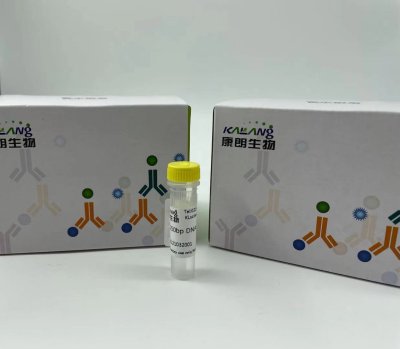
Anti-GNGT1 KL20092-001(50ul)
2021-10-11 -
Anti-GNGT1 antibody(50ul) KL20093-001
2021-10-11 -
α-tubulin mouse Monoclonal Antibody
2021-01-08 -
α-tubulin mouse Monoclonal Antibody(8F11)
2021-01-08
热门标签
- Histone H3 rabbit Polyclonal Antibody Histone H3抗体
- EGFR rabbit Polyclonal Antibody EGFR抗体
- Cy3 Conjugated
- AbFluor™ 555 Conjugated
- AbFluor™ 680 Conjugated
- AbFluor™ 350 Conjugated
- AbFluor™ 647 Conjugated
- AbFluor™ 594 Conjugated
- AbFluor™ 405 Conjugated
- Cy5 Conjugated
- AbFluor™ 488 Conjugated
- Cyclophilin B抗体 Cyclophilin B Monoclonal Antibody(2B10)
- COX IV抗体 COX IV Monoclonal Antibody(6C8)
- PCNA抗体 PCNA Monoclonal Antibody(12D10)
- FAK rabbit Polyclonal Antibody FAK抗体
邮箱:3002763590@qq.com
电话:021-61998208

扫码关注微信公众号